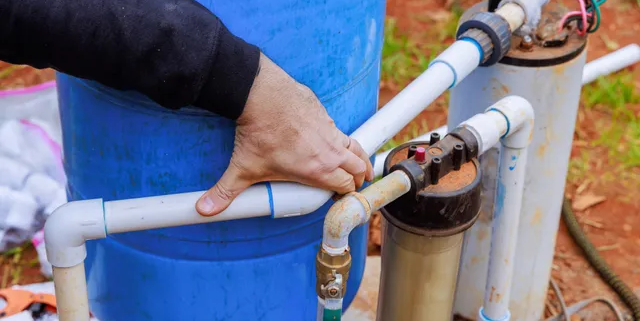
When your well is sputtering and producing inconsistent water flow, air in water lines signals serious problems requiring immediate diagnosis and professional repair.
 Contact us to schedule a comprehensive well system inspection and identify the root cause of your water delivery issues.
What Causes Air in Water Lines from Well Systems?
Air infiltration occurs when your well pump draws water faster than the aquifer can naturally replenish, creating negative pressure that pulls air into the system. This phenomenon, known as drawdown, happens when water demand exceeds the well’s sustainable yield capacity.
Mechanical failures also introduce air into water lines. Cracked drop pipes, loose fittings above the water table, or damaged pump seals allow air to enter the system during normal operation. These issues typically worsen over time, progressing from occasional sputtering to complete pump failure if left unaddressed.
Seasonal water table fluctuations affect air infiltration patterns significantly. Oregon’s dry summer months naturally lower groundwater levels, while winter precipitation helps restore aquifer levels. According to the U.S. Geological Survey, groundwater depletion has accelerated nationwide, making early detection crucial for well system longevity.
Electrical issues can cause intermittent pump operation that mimics air problems. Faulty pressure switches, corroded connections, or inadequate voltage supply create erratic pumping cycles that appear similar to air infiltration symptoms.
How Do You Identify a Dropping Water Table?
Water table decline manifests through specific warning signs that homeowners can observe before complete system failure occurs. Initial symptoms include reduced water pressure during peak usage times, particularly when multiple fixtures operate simultaneously or during irrigation cycles.
Well recovery time increases noticeably when water tables drop below optimal levels. If your well requires extended rest periods between heavy usage sessions, the aquifer may struggle to refill the well bore adequately. Professional flow testing determines whether your well’s recovery rate meets household demands.
Get professional water table assessment from Alpine Pumps – schedule your evaluation today to protect your long-term water security.
Static water level measurements provide definitive evidence of water table changes. Licensed well technicians use specialized equipment to measure the distance from ground surface to standing water level. Comparing current measurements to historical data reveals trends that indicate aquifer health and sustainability.
Neighboring wells experiencing similar issues often indicate regional water table decline rather than individual system problems. Coordinating with nearby property owners helps distinguish between localized equipment failures and broader groundwater depletion affecting entire neighborhoods.
What Are the Warning Signs of Well System Stress?
Pump cycling frequency increases dramatically when wells struggle to maintain adequate water supply for household demands. Normal pumps operate in predictable cycles based on pressure tank capacity and usage patterns. Frequent short cycling indicates insufficient water recovery or mechanical problems requiring immediate attention.
Water quality changes often accompany well stress conditions. Increased sediment, unusual tastes, or mineral deposits suggest the pump is drawing water from different aquifer layers as water levels decline. These changes can damage household appliances and create health concerns requiring professional water testing services.
Unusual noises from pump equipment signal potential problems before complete failure occurs. Grinding, squealing, or cavitation sounds indicate mechanical stress from inadequate water supply or component wear. Early intervention prevents costly emergency repairs and system replacement.
Electrical consumption patterns change when pumps work harder to maintain pressure and flow rates. Monitor monthly utility bills for increases in electrical usage that correspond with water system performance changes. Energy efficiency improvements through modern pump technology upgrades often offset increased consumption from aging systems.
When Should You Consider Professional Intervention?
Immediate professional assessment becomes necessary when air problems persist despite basic troubleshooting efforts like checking visible fittings and electrical connections. Continued air infiltration indicates problems requiring specialized diagnostic equipment and technical expertise beyond typical homeowner capabilities.
Emergency intervention prevents catastrophic pump failure that leaves households without water access. Pumps operating without adequate water supply suffer bearing damage, motor burnout, and seal failure within hours or days. Professional monitoring helps identify critical thresholds before irreversible damage occurs.
Share this information with neighbors facing similar well problems – community awareness helps identify regional water issues requiring coordinated solutions.
Seasonal timing affects repair and replacement scheduling significantly. Spring and fall offer optimal conditions for well work, while summer demand and winter weather can complicate service availability. Planning interventions during moderate weather seasons ensures faster response times and better working conditions.
Cost considerations favor early intervention over emergency replacement scenarios. Diagnostic services and preventive repairs typically cost 20-30% of complete system replacement expenses. Professional assessment helps prioritize repairs and plan for future upgrades within reasonable budget constraints.
Key Takeaways
• Air in water lines typically signals either mechanical system failures or water table decline below optimal pump operating levels.
• Dropping water tables manifest through reduced pressure, increased pump cycling, and longer recovery times between heavy usage periods.
• Professional diagnosis distinguishes between equipment problems and aquifer depletion, ensuring appropriate repair strategies and long-term solutions.
• Warning signs include unusual pump noises, water quality changes, increased electrical consumption, and frequent short cycling patterns.
• Early intervention prevents costly emergency repairs and protects pump equipment from damage caused by dry running conditions.
• Seasonal water table fluctuations in Oregon require ongoing monitoring to identify trends versus temporary variations in groundwater levels.
• Regional coordination with neighboring property owners helps identify widespread aquifer issues requiring community-based solutions rather than individual repairs.
Don’t let well sputtering escalate into complete system failure – contact us now for expert diagnosis and reliable solutions to restore your water supply.

Frequently Asked Questions
Q: How do I know if air in water lines is from my pump or plumbing?
A: Air in water lines from well pumps typically affects all fixtures simultaneously and occurs during heavy usage. Plumbing-related air problems usually affect individual fixtures or specific areas. Professional testing can definitively identify whether your well system or household plumbing causes the air infiltration.
Q: Can I fix air in my well water lines myself?
A: Simple air problems like loose fittings above ground may be DIY-repairable, but air in water lines from well systems usually requires professional diagnosis. Attempting repairs on electrical or submerged components without proper training can worsen problems and create safety hazards.
Q: How much does it cost to fix air in well water lines?
A: Repair costs for air in water lines range from 200−200-1,500 depending on the root cause. Simple fitting repairs cost 200−200-400, while pump replacement for severe water table issues reaches 800−800-1,500. Professional diagnosis typically costs 150−150-300 and prevents unnecessary repairs.
Q: Will air in my water lines damage my well pump?
A: Yes, persistent air in water lines can severely damage well pumps through dry running and cavitation. Pumps operating without adequate water supply suffer bearing damage, motor burnout, and seal failure. Early intervention prevents costly pump replacement and protects your water system investment.
Q: How long can I run my well pump with air in the lines?
A: Never continue operating a well pump experiencing air in water lines for extended periods. Dry running can destroy pump motors within hours. Shut off your system immediately when air problems persist and contact professional technicians to prevent permanent equipment damage.
Q: What’s the difference between air in lines and a failing pressure tank?
A: Air in water lines causes sputtering and inconsistent flow, while failing pressure tanks cause rapid pump cycling and pressure fluctuations. Pressure tank problems typically maintain steady flow but with frequent pump starts. Both issues require professional diagnosis for proper repair strategies.
Q: How often should I check my well for air problems?
A: Monitor your well system monthly for air in water lines, especially during dry seasons when water tables drop. Watch for sputtering, unusual pump cycling, or pressure changes. Annual professional inspections help identify developing problems before they cause air infiltration and system damage.