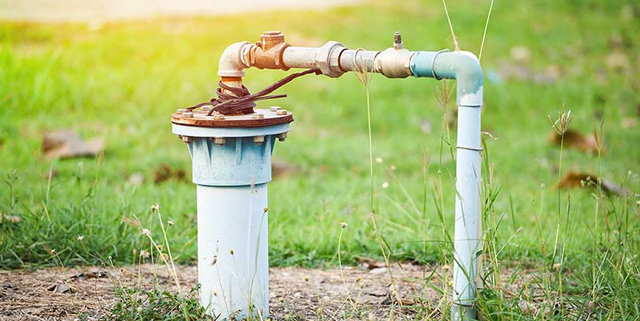
What Is the Best Filter for Well Water?
The best filter for well water depends on your specific contaminants, combining sediment filtration, carbon treatment, and specialized media. Learn how to select optimal filtration protecting your household health.
For expert guidance selecting the best filter for well water in Eugene, contact Shawn Turner at Alpine Pump Inc. by calling 541-424-2243 for professional water testing and customized filtration solutions.
How Do You Determine Which Filter System Your Well Water Needs?
Comprehensive water testing identifies specific contaminants requiring filtration before selecting equipment. Laboratory analysis reveals bacteria levels, mineral content, chemical pollutants, and physical characteristics affecting water quality. Testing determines whether you need sediment removal, chemical filtration, biological treatment, or combination systems.
Common well water contaminants include:
- Sediment, sand, and particulate matter
- Iron and manganese causing staining
- Hardness minerals like calcium and magnesium
- Bacteria, viruses, and parasites
- Nitrates from agricultural runoff
- Arsenic and heavy metals
According to the Environmental Protection Agency{:target=”_blank”}, private well owners should test water annually for bacteria and nitrates, plus additional testing when taste, odor, or appearance changes occur. Professional testing services identify contamination levels guiding filtration system selection.

Understanding Water Test Results
Laboratory reports show contaminant concentrations measured in parts per million (ppm) or milligrams per liter (mg/L). Comparing results against EPA drinking water standards reveals which contaminants exceed safe levels requiring treatment. Iron concentrations above 0.3 ppm cause staining while hardness exceeding 120 ppm creates scale buildup.
Bacterial testing identifies total coliform and E. coli presence indicating fecal contamination. Any positive bacterial result demands immediate disinfection and continued treatment preventing waterborne illness. pH measurements below 6.5 or above 8.5 indicate corrosive or scaling water requiring pH adjustment.
Contaminant-Specific Treatment Requirements
Different pollutants require specialized filtration media and treatment approaches. Sediment filters using graded micron ratings remove particles but cannot address dissolved minerals or chemicals. Activated carbon excels at removing chlorine, pesticides, and organic compounds yet proves ineffective against hardness or heavy metals.
Iron and manganese need oxidation followed by filtration or specialized media like greensand or birm. Hardness minerals require ion exchange water softeners regenerating with salt. Consequently, determining the best filter for well water systems in Eugene demands matching treatment technology to specific contamination identified through testing.
What Types of Well Water Filtration Systems Work Most Effectively?
Whole-house filtration systems treat all water entering your home protecting every fixture and appliance. Point-of-use filters installed at specific faucets address drinking water quality while leaving other uses untreated. Multi-stage systems combining several treatment methods provide comprehensive contamination removal.
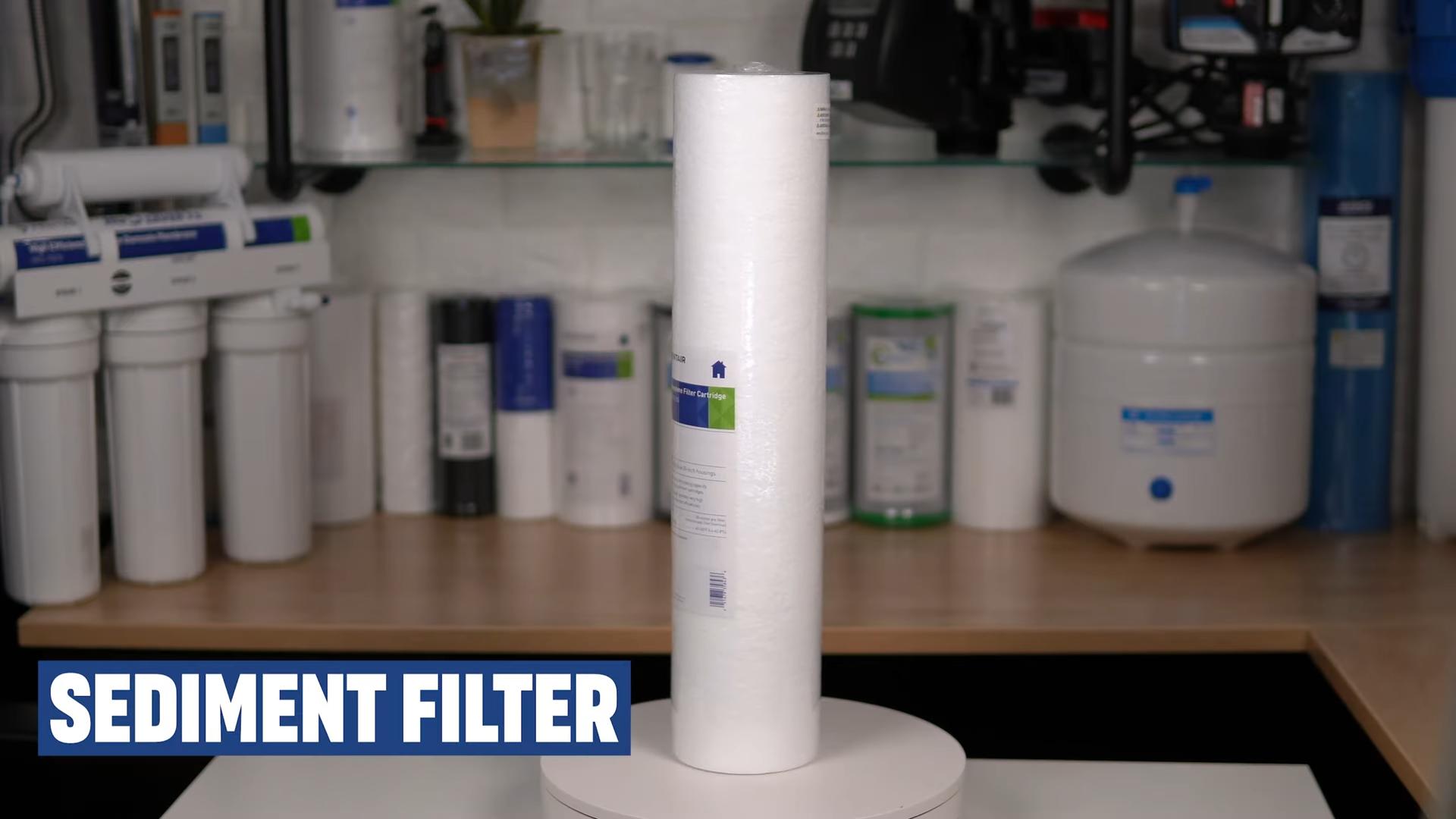
Sediment filters form the first defense removing particles preventing downstream equipment damage. Cartridge filters use spun polypropylene, pleated media, or wound string catching particles down to 1-5 microns. Backwashing filters automatically clean themselves extending service life while maintaining flow rates.

Call Shawn at 541-424-2243
Activated Carbon Filtration Benefits
Carbon filters absorb organic chemicals, chlorine, pesticides, and compounds affecting taste and odor. Granular activated carbon (GAC) provides high surface area for chemical adsorption. Carbon block filters combine adsorption with mechanical filtration removing smaller particles.
Carbon exhaustion occurs after treating specific water volumes requiring periodic replacement maintaining effectiveness. Catalytic carbon offers enhanced chloramine removal important for municipal water connections. However, carbon cannot remove dissolved minerals, salts, or biological contaminants requiring supplementary treatment methods.
Iron and Manganese Removal Systems
Oxidizing filters convert dissolved iron and manganese into particles trapped by filtration media. Air injection systems introduce oxygen causing oxidation before filtration. Chemical oxidation using chlorine or potassium permanganate provides alternative treatment approaches.
Manganese greensand filters combine oxidation and filtration in single units requiring periodic regeneration. Birm media catalyzes iron oxidation without chemicals needing only backwashing. Professional water filtration system installation ensures proper sizing and media selection for your specific iron and manganese levels.
Contact our filtration specialists for comprehensive water testing and customized treatment system design addressing your Eugene property’s unique well water quality challenges.
Which Filtration Technology Removes the Most Contaminants?
Reverse osmosis systems remove the widest range of contaminants including dissolved solids, heavy metals, and chemicals. RO membranes filter particles down to 0.0001 microns eliminating 95-99% of total dissolved solids. Arsenic, lead, nitrates, and fluoride pass through other filter types yet RO effectively captures these pollutants.
However, reverse osmosis wastes 3-4 gallons per gallon produced creating environmental concerns. RO removes beneficial minerals producing aggressive water potentially corroding pipes. Installation typically occurs at point-of-use locations providing purified drinking and cooking water while leaving other household uses untreated.
Water Softener Technology
Ion exchange softeners replace hardness minerals with sodium ions preventing scale formation. Resin beads attract calcium and magnesium releasing sodium into treated water. Periodic regeneration using salt brine recharges resin restoring softening capacity.
Softened water protects appliances, improves soap effectiveness, and eliminates hard water staining. Monthly salt additions and occasional resin bed cleaning maintain system performance. Homeowners seeking the best filter for well water in Eugene frequently combine softeners with other treatment technologies addressing multiple water quality issues simultaneously.
Call Shawn at 541-424-2243
UV Disinfection Systems
Ultraviolet treatment destroys bacteria, viruses, and parasites without chemicals or filtration media. UV-C radiation at 254 nanometers damages microbial DNA preventing reproduction. Systems require clear water for effectiveness making pre-filtration essential.
Annual lamp replacement maintains proper germicidal output ensuring continued biological protection. UV treatment proves especially critical for shallow wells or properties near septic systems. Combining sediment filtration, UV disinfection, and carbon treatment provides comprehensive well water safety.

How Do Multi-Stage Filtration Systems Provide Complete Protection?
Layered treatment approaches address diverse contamination simultaneously optimizing water quality comprehensively. Typical configurations start with sediment pre-filtration protecting downstream equipment. Subsequent stages tackle specific contaminants using appropriate media and technologies.
Standard multi-stage systems include:
- 5-micron sediment filter removing particles and turbidity
- Carbon filter eliminating chemicals, pesticides, and odors
- Water softener addressing hardness minerals
- Iron/manganese filter for metal removal
- UV disinfection destroying biological contaminants
Professional system design sequences treatment stages logically maximizing effectiveness while minimizing maintenance. Sediment filtration always precedes other treatments preventing media fouling and equipment damage. Well pump and filtration services integrate treatment systems with existing plumbing ensuring optimal performance.
Custom System Configuration
Water quality testing results determine which treatment stages your specific situation requires. Properties with only hardness issues need softeners without additional filtration. Conversely, complex contamination demands comprehensive multi-stage approaches.
Budget considerations influence system selection balancing upfront costs against long-term operating expenses. Whole-house systems cost more initially yet provide complete protection for all water uses. Point-of-use filters offer economical solutions when only drinking water requires treatment.
Call Shawn at 541-424-2243
Maintenance Requirements and Operating Costs
Different filtration technologies demand varying maintenance schedules and replacement parts. Sediment filters need quarterly or monthly cartridge changes depending on water quality. Carbon filters last 6-12 months before exhaustion requires replacement.
Water softeners consume salt regularly with annual resin cleaning maintaining performance. UV systems need annual lamp replacement regardless of operational hours. Consequently, evaluating the best filter for well water involves considering long-term maintenance commitments alongside initial investment costs.
What Special Considerations Apply to Eugene Well Water?
Local geology influences groundwater quality creating region-specific treatment requirements. Lane County aquifers contain varying iron, manganese, and hardness levels depending on depth and location. Shallow wells prove more susceptible to bacterial contamination and surface water influence.
Seasonal variations affect water quality particularly during heavy rainfall infiltrating aquifers. Spring runoff introduces sediment and increases turbidity requiring robust filtration. Agricultural areas face elevated nitrate risks from fertilizer application.
Oregon Water Quality Regulations
Oregon’s Domestic Well Testing Act (ORS 448.271) requires bacteria, nitrate, and arsenic testing during real estate transactions. Identifying contamination before property transfers protects buyer health while establishing treatment needs. Compliance testing creates documentation supporting property values.
Sellers installing filtration systems addressing identified issues facilitate smoother transactions. Buyers gain confidence knowing water quality meets safety standards. Professional testing and treatment recommendations from experienced providers ensure regulatory compliance.
Call Shawn at 541-424-2243
Climate and Environmental Factors
Eugene’s rainfall patterns influence groundwater recharge and quality fluctuations. Winter storms increase surface water infiltration potentially introducing contaminants. Dry summer periods concentrate dissolved minerals raising hardness and iron levels.
Nearby septic systems, agricultural operations, and land use affect aquifer quality. Properties in rural areas face different contamination risks than suburban developments. Consequently, selecting the best filter for well water in Eugene requires understanding local environmental conditions and contamination sources.
How Much Do Well Water Filtration Systems Cost?
Basic sediment and carbon filtration systems range $300-800 for point-of-use installations. Whole-house sediment filters cost $200-500 plus professional installation expenses. Multi-stage systems addressing comprehensive contamination range $1,500-5,000 depending on treatment complexity.
Water softeners typically cost $800-2,500 including installation and plumbing modifications. Reverse osmosis systems range $200-600 for under-sink units while whole-house RO approaches $4,000-8,000. UV disinfection adds $400-1,500 to treatment system investments.

Operating and Maintenance Expenses
Annual operating costs vary significantly based on system type and water quality. Sediment filter replacements cost $20-60 annually depending on cartridge quality and replacement frequency. Carbon filters range $50-150 yearly for whole-house applications.
Water softener salt consumption averages $50-120 annually based on hardness levels and household water usage. UV lamp replacement costs $50-100 yearly maintaining proper disinfection. Consequently, total annual maintenance expenses typically range $150-400 for comprehensive treatment systems.
Call Shawn at 541-424-2243
Return on Investment Considerations
Filtration systems protect expensive appliances from scale damage and corrosion extending equipment lifespan. Water heaters, dishwashers, and washing machines operate more efficiently with treated water. Plumbing fixtures avoid staining and mineral buildup reducing cleaning requirements.
Health protection offers immeasurable value preventing waterborne illness and chemical exposure. Bottled water expenses eliminated through home filtration quickly offset system costs. Property values increase when comprehensive water treatment systems demonstrate proper maintenance and owner diligence.
Do Specific Brands Offer Superior Well Water Filtration?
Reputable manufacturers produce reliable equipment backed by warranties and replacement part availability. Pentair, Culligan, and Aquasana offer comprehensive product lines addressing diverse water quality issues. However, brand selection proves less critical than proper system sizing and configuration.
Professional installation ensures optimal equipment performance regardless of manufacturer. Undersized filters restrict flow creating pressure problems while oversized systems waste money. Matching filtration capacity to household water demand and contamination levels determines effectiveness.
Professional vs. DIY Installation
Complex multi-stage systems require professional plumbing expertise ensuring proper integration and performance. Incorrect installation causes treatment failures, leaks, and equipment damage. Licensed technicians understand local codes, permit requirements, and best practices.
Simple cartridge filter replacements suit DIY maintenance while system modifications need professional service. Annual inspections identify emerging issues before they compromise water quality. Experienced providers offer ongoing support adjusting systems as water quality changes.
Call Shawn at 541-424-2243
Warranty and Service Considerations
Equipment warranties typically require professional installation and periodic maintenance documentation. Manufacturer support includes technical assistance and replacement part availability. Local service providers offer faster response times than distant online retailers.
Established companies like Alpine Pump Inc. provide ongoing service maintaining systems over decades. Relationships with local providers ensure consistent support as needs evolve. Selecting the best filter for well water includes evaluating long-term service availability alongside equipment quality.
Share this comprehensive well water filtration information with neighbors seeking treatment solutions for their Eugene properties.
Key Takeaways
• The best filter for well water depends on comprehensive laboratory testing identifying specific contaminants requiring treatment through sediment filtration, carbon adsorption, water softening, or specialized media.
• Multi-stage filtration systems combining sediment removal, carbon treatment, and UV disinfection provide comprehensive protection addressing diverse well water contamination simultaneously.
• Water testing revealing iron, manganese, or hardness concentrations requires specialized filtration media like greensand, birm, or ion exchange resins beyond basic sediment and carbon filters.
• Whole-house filtration protects all household water uses including appliances and fixtures while point-of-use systems economically treat only drinking water requiring purification.
• Annual operating costs ranging $150-400 for filter replacements, media regeneration, and UV lamp changes maintain optimal system performance protecting household health continuously.
• Eugene well owners benefit from professional system design matching filtration technology to local groundwater characteristics, seasonal variations, and region-specific contamination patterns.
• Investment costs between $1,500-5,000 for comprehensive treatment systems provide long-term value through appliance protection, health benefits, and enhanced property marketability during real estate transactions.
Protect your family’s health and property value with professionally designed well water filtration—contact Alpine Pump Inc. today for comprehensive water testing, expert system recommendations, and professional installation services throughout Eugene and Lane County.
Call Shawn at 541-424-2243
Frequently Asked Questions About the Best Filter for Well Water
Q: How often should I replace well water filter cartridges?
A: Sediment filter cartridges require replacement every 3-6 months depending on water quality and household usage. Carbon filters last 6-12 months before exhaustion reduces effectiveness. The best filter for well water maintenance schedules vary by contamination levels, so monitor pressure drops indicating replacement needs ensuring optimal performance.
Q: Can I install a well water filtration system myself or do I need a professional?
A: Simple cartridge replacements suit DIY maintenance, but comprehensive multi-stage systems require professional installation ensuring proper sizing, integration, and code compliance. Professional installers prevent flow restrictions, treatment failures, and equipment damage. Call Shawn at 541-424-2243 for expert well water filtration system installation and configuration.
Q: Will a water softener remove bacteria from my well water?
A: Water softeners only remove hardness minerals through ion exchange and cannot eliminate bacteria, viruses, or parasites. Biological contamination requires UV disinfection, chlorination, or ozonation. The best filter for well water addressing bacterial issues combines softening with UV treatment providing comprehensive protection against both minerals and microorganisms.
Q: How do I know which contaminants are in my well water?
A: Professional laboratory testing identifies specific contaminants including bacteria, nitrates, arsenic, iron, manganese, hardness, and pH levels. Testing costs $150-400 depending on analysis comprehensiveness. Results determine which filtration technologies address your specific contamination. Oregon requires bacteria, nitrate, and arsenic testing during property transactions.
Call Shawn at 541-424-2243
Q: What’s the difference between whole-house filters and under-sink systems?
A: Whole-house filters treat all water entering your home protecting appliances, fixtures, and every tap. Under-sink systems provide point-of-use treatment for drinking and cooking water only. Whole-house installations cost more initially but deliver comprehensive protection. The best filter for well water choice depends on contamination severity and budget.
Q: Do well water filters remove arsenic and heavy metals?
A: Standard sediment and carbon filters cannot remove arsenic or heavy metals effectively. Reverse osmosis systems eliminate 95-99% of arsenic, lead, and other dissolved metals. Specialized adsorptive media also targets specific heavy metals. Professional water testing determines whether your well contains these dangerous contaminants requiring advanced filtration.
Q: How much water pressure will I lose with a filtration system?
A: Properly sized systems cause minimal pressure loss typically 2-5 PSI across filter housings. Undersized filters or clogged cartridges create significant pressure drops reducing household flow. Professional installation matches filter capacity to pump output maintaining adequate pressure. Regular cartridge replacement prevents excessive pressure loss ensuring comfortable water delivery.
Q: Can well water filters remove the rotten egg sulfur smell?
A: Hydrogen sulfide causing sulfur odors requires oxidation followed by filtration or specialized media like catalytic carbon. Standard carbon filters provide temporary relief but exhaust quickly with high sulfide concentrations. Aeration systems or chlorine injection followed by carbon filtration effectively eliminate sulfur smells.
Call Shawn at 541-424-2243 for sulfur odor elimination solutions.
Q: What maintenance does a whole-house well water filter require?
A: Whole-house systems need quarterly sediment cartridge replacements, annual carbon filter changes, and periodic pressure tank inspections. Water softeners require monthly salt additions and annual resin cleaning. UV systems need yearly lamp replacement. The best filter for well water maintenance takes 1-2 hours annually plus routine cartridge changes.