Winter Water Well Protection Albany
Winter water well protection safeguards your Albany property from freeze damage, equipment failure, and costly repairs throughout Oregon’s coldest months. This article reveals essential winterization strategies, preventive maintenance techniques, and emergency preparedness solutions for well owners.
Protect your well system before winter arrives—Call Shawn at 541-424-2243 for expert winterization services from Alpine Pump Inc., serving Albany and Lane County for over 30 years.
Why Does Winter Water Well Protection Matter in Albany?
Albany experiences freezing temperatures, ice storms, and occasional snow that threaten exposed well components. Unprotected systems face catastrophic failures when water inside pipes, pressure tanks, and pump housings freezes and expands. These ice formations crack metal casings, rupture plastic fittings, and destroy electrical components within hours of temperature drops.
Oregon’s Willamette Valley climate creates unique challenges for well owners. Temperatures fluctuate between mild periods and sudden freezes, preventing systems from acclimating gradually. According to the National Weather Service, the Portland region experiences an average of 15 to 25 freezing days annually, with occasional arctic outbreaks driving temperatures below 20°F.
Winter water well protection in Eugene and surrounding communities requires proactive preparation rather than reactive emergency repairs. Frozen well systems leave families without water for drinking, cooking, bathing, and essential household functions. Rural properties lacking municipal backup depend entirely on functional well equipment throughout winter months.
Key winter threats include:
• Exposed wellhead components freezing solid
• Pressure tank bladders rupturing from ice expansion
• Above-ground piping splitting along seams
• Control boxes failing due to moisture infiltration
• Pump motors seizing from frozen condensation

Financial Impact of Winter Damage
Freeze-related well damage costs Albany homeowners $800 to $3,500 for repairs and equipment replacement. Emergency service during winter storms carries premium pricing, as discussed in our comprehensive article about well pump repairs. Prevention through proper winterization costs $200 to $400 annually but eliminates thousands in potential damage expenses.
Insurance policies typically exclude freeze damage when homeowners fail to maintain adequate protection. Carriers classify such failures as preventable maintenance issues rather than covered perils. Documenting winterization efforts provides evidence of reasonable care should claims arise from unusual weather events.
Avoid costly freeze damage with professional winterization—Contact Alpine Pump Inc. today to schedule your Albany well system inspection before temperatures drop.
What Are Essential Winter Water Well Protection Steps?
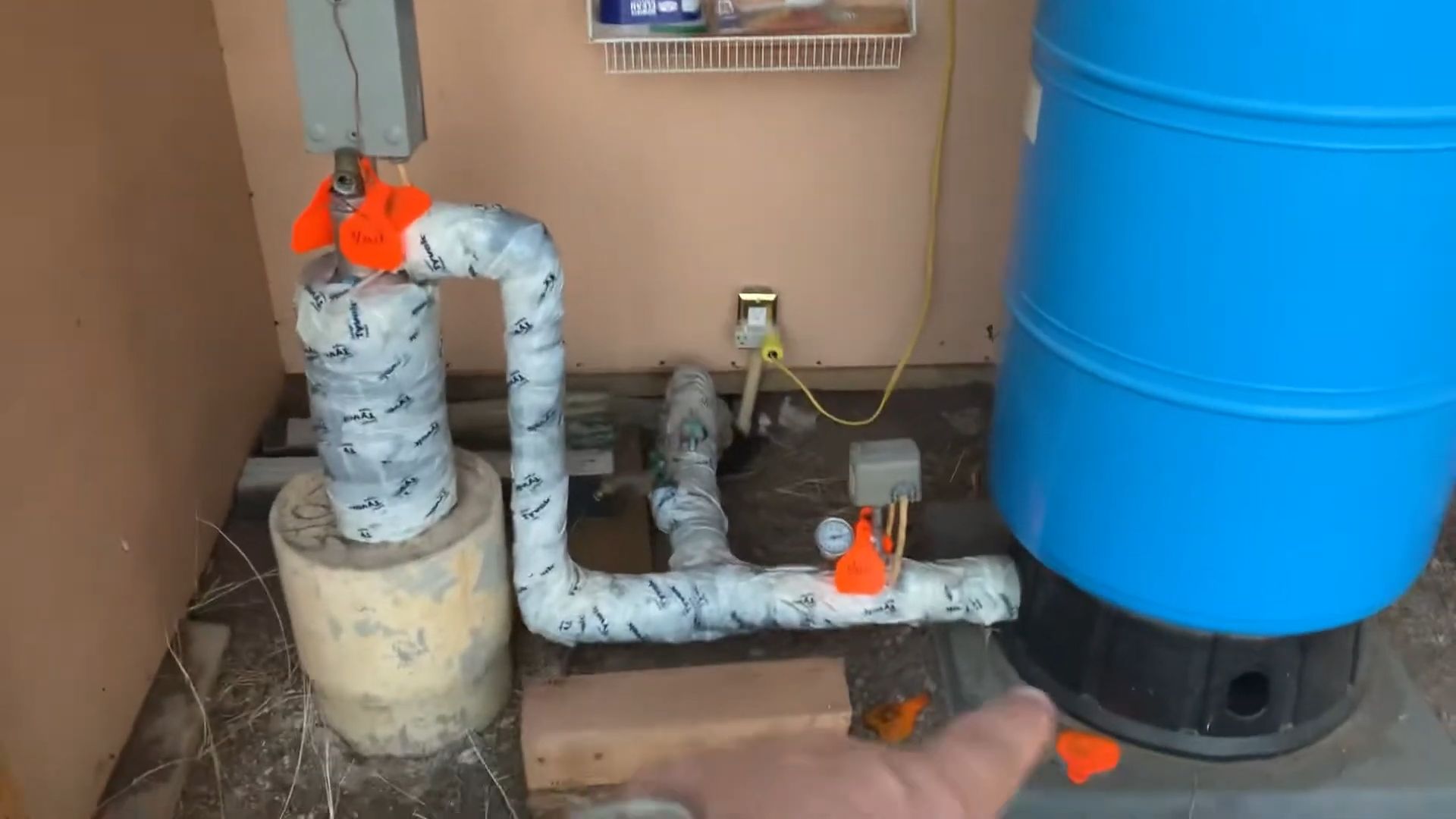
Insulating exposed components forms the foundation of effective winter well protection. Wellheads located in unheated structures or outdoors require foam insulation wraps rated for sub-freezing temperatures. These protective covers maintain temperatures above 32°F even when ambient conditions reach 15°F to 20°F during typical Albany cold snaps.
Pressure tanks stored in garages, crawl spaces, or utility rooms need insulation blankets designed specifically for these components. Standard home insulation materials don’t provide adequate protection because they lack moisture resistance and proper density. Specialized tank wraps cost $40 to $80 but prevent $600 to $1,200 pressure tank replacements after freeze damage occurs.
Heat tape installation protects vulnerable piping sections exposed to freezing conditions. These electrical heating elements maintain consistent temperatures along pipe runs, preventing ice formation during extended cold periods. Thermostatically controlled heat tape activates automatically when temperatures approach freezing, providing hands-free protection throughout winter.
Wellhead Enclosure Construction
Building insulated wellhead enclosures creates superior protection compared to simple wrap solutions. These structures use 2×4 framing covered with exterior-grade plywood and filled with fiberglass insulation. Interior dimensions should allow 12 to 18 inches of clearance around all equipment for maintenance access and proper air circulation.
Weatherstripping around access doors prevents cold air infiltration while maintaining necessary ventilation. Small vents near the roof peak allow moisture escape without creating freeze pathways. Some Albany homeowners install low-wattage light bulbs inside wellhead enclosures, using the heat output to maintain above-freezing temperatures during extreme conditions.
Professional installation ensures enclosures meet Oregon building codes and don’t interfere with well maintenance requirements. Alpine Pump Inc. designs custom wellhead protection systems suited to specific site conditions, equipment configurations, and budget parameters. Proper construction lasts 15 to 20 years with minimal maintenance.
Call Shawn at 541-424-2243 for custom wellhead enclosure design and installation throughout Albany and Eugene areas.

How Should Albany Homeowners Prepare Wells for Winter Storms?
Pre-winter inspections identify vulnerabilities before freezing weather arrives. Experienced technicians examine all above-ground components, test insulation effectiveness, and verify heat tape functionality. These evaluations reveal worn insulation, failing heat tape elements, and structural weaknesses requiring attention before temperature drops threaten system integrity.
Pressure tank inspection includes bladder testing, air pressure verification, and exterior condition assessment. Tanks showing rust, dents, or previous freeze damage warrant replacement before winter rather than risking mid-season failures. New pressure tanks cost $400 to $900 installed but provide reliable service throughout Albany’s challenging winter conditions.
Control box weatherproofing prevents moisture infiltration that causes electrical failures during wet winter weather. Technicians apply silicone sealant around wire entry points, verify gasket integrity, and confirm proper grounding connections. Additionally, they test all electrical components under load conditions to identify potential failures before they leave families without water.
Emergency Preparation Strategies
Stockpiling emergency supplies prepares households for potential well failures during winter storms. Bottled water reserves supporting 3 to 5 days of drinking and cooking needs protect families when repairs require extended timelines. Power outages accompanying ice storms sometimes prevent pump operation even when freeze damage doesn’t occur.
Generator connections enable continued well operation during electrical outages common in Albany’s winter weather. Portable generators costing $600 to $1,500 maintain critical water access when grid power fails for extended periods. Proper transfer switch installation prevents backfeeding that endangers utility workers and damages equipment.
Knowing emergency contact information for reliable well service providers eliminates precious time lost during crisis situations. Alpine Pump Inc. offers 24/7 emergency response throughout Albany, Eugene, and Lane County. Furthermore, pre-establishing service relationships ensures priority scheduling when demand peaks during widespread winter emergencies.
Prepare your Albany well for winter storms—Contact Shawn for comprehensive pre-season inspections and emergency planning consultations.
What Maintenance Tasks Support Winter Water Well Protection?
Draining low-point traps prevents freeze damage in vulnerable piping sections. These collection points accumulate water that freezes during cold snaps, creating ice blockages and pressure buildup. Installing drain valves at strategic locations allows homeowners to eliminate standing water before freezing temperatures arrive.
Checking vent pipes ensures proper system pressure equalization throughout winter months. Blocked vents cause vacuum conditions that stress pumps and reduce flow rates. Snow, ice, and debris accumulation obstruct vent openings, requiring periodic clearing during winter weather events. Elevated vent terminations above expected snow depths prevent most blockage issues.
Testing backup systems verifies readiness for primary equipment failures. Battery backup units require charge verification and connection testing before winter storms isolate properties. Similarly, generator fuel supplies need checking and stabilizer additives to ensure reliable starting after extended storage periods.

Seasonal Component Adjustments
Adjusting pressure switch settings compensates for temperature-related performance changes. Cold conditions affect pump efficiency and pressure delivery characteristics. Slight adjustments maintain consistent household pressure despite winter performance variations. However, only qualified technicians should modify these settings to prevent equipment damage or premature wear.
Lubricating moving components prevents cold-weather binding and excessive wear. Specialized low-temperature lubricants maintain proper viscosity during freezing conditions unlike standard products that thicken and lose effectiveness. Check valves, gate valves, and other mechanical components benefit from pre-winter lubrication applications.
Inspecting electrical connections reveals corrosion or loosening that causes failures during winter demand peaks. Temperature cycling expands and contracts connections, gradually loosening terminals over time. Consequently, annual tightening and cleaning prevents unexpected outages during periods when service delays create significant hardships.
Schedule comprehensive winter maintenance with Alpine Pump Inc.—Call Shawn at 541-424-2243 for Albany well system preparation that ensures reliable cold-weather performance.
How Does Winter Water Well Protection Differ Between Eugene and Albany?
Geographic variations influence winterization strategies across Oregon’s Willamette Valley. Albany sits in Linn County where agricultural areas experience slightly colder temperatures than Eugene’s more urban Lane County environment. These differences affect insulation requirements, heat tape specifications, and enclosure designs for optimal winter well protection.
Eugene winter water well protection often focuses on ice storm preparation due to the city’s susceptibility to freezing rain events. These storms coat exposed components with heavy ice accumulations that stress equipment and create mechanical failures. Albany faces similar ice storm risks but also encounters more frequent hard freeze conditions requiring enhanced insulation strategies.
Elevation differences between properties influence freeze protection requirements significantly. Wells located in valley floors experience different temperature patterns than hillside installations. Cold air drainage creates frost pockets where temperatures drop 5°F to 10°F below surrounding areas, necessitating more robust winter water well protection measures.
Regional Climate Patterns
Albany receives slightly less annual precipitation than Eugene, averaging 42 inches versus Eugene’s 47 inches. However, winter months bring comparable rainfall totals to both communities. Wet conditions combined with freezing temperatures create particularly challenging circumstances for exposed well equipment throughout the Willamette Valley region.
Wind patterns affect heat loss from wellhead enclosures and exposed components. Albany’s open agricultural surroundings allow stronger sustained winds than Eugene’s more sheltered urban environment. Therefore, Albany installations require additional wind-resistance considerations and potentially higher R-value insulation to maintain adequate freeze protection.
Microclimate variations within individual properties require site-specific winterization approaches. Shaded north-facing well locations need more aggressive protection than south-facing installations receiving solar heat gain. Professional assessment identifies these nuances, optimizing winter water well protection strategies for each unique situation.
Experience matters when protecting Eugene and Albany wells from winter damage—visit Alpine Pump Inc.’s service areas page to confirm coverage for your property location.

What Emergency Actions Address Winter Well Freeze Damage?
Immediate power shutdown prevents electrical hazards and additional equipment damage when freeze situations occur. Ice expansion inside pump housings or control boxes creates short-circuit risks that threaten personal safety and worsen equipment destruction. Shutting off dedicated well circuits at the main panel eliminates these dangers until professional assessment occurs.
Never apply open flames or high-heat sources to frozen well components. Rapid heating causes uneven expansion that cracks casings, ruptures tanks, and destroys seals. Gradual thawing using space heaters or heat lamps positioned 3 to 4 feet from equipment prevents thermal shock damage while slowly restoring normal conditions.
Documenting damage through photographs supports insurance claims and guides repair planning. Images showing ice formations, cracked housings, and visible damage help adjusters evaluate claims and technicians prepare appropriate repair strategies. Detailed documentation sometimes reveals coverage for weather-related damage even under policies excluding typical freeze situations.
Professional Damage Assessment
Licensed well technicians identify hidden damage invisible to property owners. Internal component failures, hairline cracks, and compromised seals don’t always show obvious external symptoms. Thorough inspections using pressure testing, electrical diagnostics, and component examination reveal the full scope of freeze damage before restoration begins.
Attempting DIY repairs on freeze-damaged well equipment risks personal injury and code violations. Oregon requires licensed contractors for well system work to ensure public health protection and groundwater safety. Improper repairs contaminate water supplies, create ongoing equipment problems, and void manufacturer warranties on replacement components.
Emergency service availability varies during widespread winter events affecting multiple properties simultaneously. Establishing relationships with reliable contractors before emergencies occur ensures priority response when entire communities need assistance. Alpine Pump Inc. maintains adequate staffing and equipment reserves to serve Albany and Eugene customers during peak demand periods.
Facing freeze damage? Call Shawn at 541-424-2243 immediately for emergency assessment and repair services throughout Albany and Lane County.
How Do Advanced Technologies Enhance Winter Water Well Protection?
Smart monitoring systems provide real-time temperature alerts preventing freeze damage through early warning. These devices track wellhead temperatures, send smartphone notifications when readings approach freezing, and create historical data revealing vulnerability patterns. Installation costs $200 to $400 but prevents thousands in potential damage through timely intervention.
Remote-controlled heat tape systems allow homeowners to activate protection from anywhere using smartphone apps. These advanced installations eliminate energy waste during mild periods while ensuring immediate response capability when forecasts predict dangerous temperature drops. Programmable timers and thermostatic controls optimize energy consumption throughout winter months.
Constant pressure systems maintain consistent household water pressure while reducing pump cycling that stresses equipment during cold weather. These advanced configurations use variable frequency drives adjusting pump speed to match demand precisely. Reduced cycling minimizes wear, extends equipment life, and improves winter reliability compared to traditional pressure tank systems.
Renewable Energy Integration
Solar-powered well systems with battery backup maintain operation during winter power outages common in Albany and Eugene. These installations combine photovoltaic panels, charge controllers, and deep-cycle batteries providing 24 to 48 hours of autonomous operation. Winter solar production decreases compared to summer, but properly sized systems deliver adequate power for essential well operation.
Geothermal heating applications protect wellhead enclosures using earth’s constant subsurface temperatures. Small ground loops buried below frost depth circulate fluid through wellhead spaces, maintaining above-freezing conditions without electrical consumption. Initial installation costs run higher than conventional methods but eliminate ongoing energy expenses throughout system lifespan.
Automated monitoring services offered by professional well companies provide comprehensive oversight without homeowner involvement. These programs include periodic technician visits, continuous remote monitoring, and guaranteed emergency response when systems detect problems. Subscription services cost $30 to $60 monthly but deliver peace of mind and protection for vacation properties or elderly homeowners.
Explore advanced well protection technologies—Contact Alpine Pump Inc. to discuss smart monitoring, constant pressure systems, and renewable energy integration for your Albany property.
What Long-Term Strategies Improve Winter Well Resilience?
Relocating vulnerable components into heated spaces eliminates freeze risks permanently. Pressure tanks, control boxes, and piping sections moved to basements or utility rooms require no seasonal winterization efforts. Relocation projects cost $800 to $2,000 but provide lifetime freeze protection and easier maintenance access.
Upgrading to freeze-resistant components reduces winterization requirements while improving system reliability. Modern pressure tanks feature enhanced insulation, frost-resistant materials, and compact designs simplifying protection efforts. Similarly, outdoor-rated control boxes withstand temperature extremes without supplemental insulation needs in most Albany climate conditions.
Implementing comprehensive maintenance schedules prevents premature equipment failures during high-demand winter periods. Annual professional inspections identify wear patterns, test component functionality, and verify protective measure effectiveness. Scheduled maintenance costs $150 to $250 but extends equipment life 30% to 50% while preventing mid-winter emergencies.

Property Infrastructure Improvements
Installing dedicated well buildings provides superior long-term protection compared to seasonal winterization efforts. These insulated structures house all well equipment in controlled environments maintaining consistent temperatures year-round. Construction costs range from $2,500 to $6,000 depending on size, materials, and finish specifications.
Landscaping modifications reduce cold air exposure around well locations. Strategic tree placement, windbreak fencing, and terrain contouring create microclimates 3°F to 7°F warmer than surrounding areas. These natural protection strategies complement mechanical winterization measures, reducing energy consumption and improving freeze resistance.
Water conservation practices reduce winter demand on well systems operating under challenging conditions. Low-flow fixtures, efficient appliances, and leak repairs decrease pump cycling and minimize freeze risks in distribution piping. Additionally, conservation extends equipment life by reducing cumulative operating hours throughout system lifespan.
Plan long-term improvements for your Albany well system—Call Shawn at 541-424-2243 to discuss relocation options, component upgrades, and comprehensive protection strategies.
How Should Albany Residents Respond to Extended Cold Periods?
Daily monitoring during freeze warnings prevents surprise failures through early problem detection. Quick visual inspections checking for ice formation, unusual sounds, or performance changes take only minutes but reveal developing issues before total failures occur. Morning checks prove particularly valuable as overnight temperatures typically reach daily minimums during pre-dawn hours.
Running water periodically during extreme cold prevents pipe freezing in vulnerable sections. Small continuous flows moving through pipes resist freezing even when static water would solidify. Opening faucets to pencil-lead thickness creates sufficient movement without wasting significant water quantities during multi-day cold snaps.
Increasing enclosure heat during arctic outbreaks provides extra protection margin beyond standard winterization measures. Adding temporary space heaters, increasing heat tape settings, or installing higher-wattage bulbs in wellhead enclosures compensates for unusually severe conditions. These temporary measures prevent damage when temperatures drop below design protection thresholds.
Community Resource Utilization
Monitoring National Weather Service forecasts provides advance warning for extreme weather preparation. Temperature predictions, freeze warnings, and winter storm alerts allow proactive protection measure activation before dangerous conditions arrive. Furthermore, Albany residents can access localized forecasts through NOAA Weather Radio and smartphone applications delivering real-time updates.
Coordinating with neighbors creates mutual support networks during widespread emergencies. Shared equipment, collective knowledge, and cooperative assistance help entire communities weather severe conditions successfully. Rural Albany properties particularly benefit from neighborhood cooperation when professional service availability becomes limited during peak demand.
Utilizing county emergency resources provides backup support when private wells fail during disasters. Linn County Emergency Management coordinates water distribution, shelter operations, and resource allocation during severe winter events. Pre-registering with county alert systems ensures timely notification about emergency services and community resources.
Stay ahead of winter weather threats—Contact Shawn at Alpine Pump Inc. for real-time protection advice and emergency response throughout severe Albany cold periods.
What Regulatory Requirements Affect Winter Water Well Protection?
Oregon well construction standards mandate frost-depth considerations for permanent installations. State regulations require wellhead components installed below typical freeze depths or adequately protected against freezing temperatures. Compliance ensures system longevity and protects groundwater resources from contamination risks associated with freeze-damaged equipment.
Building codes governing wellhead enclosures vary between jurisdictions within Linn and Lane Counties. Albany city limits enforce different requirements than unincorporated county areas surrounding Eugene. Property owners must verify applicable regulations before constructing permanent protection structures to avoid code violations and potential removal orders.
Water testing requirements under Oregon’s Domestic Well Testing Act (ORS 448.271) apply regardless of season. However, winter sample collection presents unique challenges requiring proper procedures. Frozen sampling points, temperature-sensitive test parameters, and laboratory submission timeframes all need consideration during cold-weather testing compliance.
Insurance and Liability Considerations
Homeowner policies typically exclude freeze damage when reasonable preventive measures weren’t implemented. Documented winterization efforts, professional service records, and photographic evidence demonstrate due diligence protecting coverage eligibility. Conversely, neglected systems showing obvious protection deficiencies face claim denials leaving owners financially responsible for all damage.
Liability risks increase when inadequate well protection creates water service interruptions affecting neighboring properties. Shared well systems serving multiple households impose winterization responsibilities on all users. Failure to protect communal equipment potentially creates legal exposure when other users suffer damages from preventable freeze failures.
Professional service agreements transfer some liability risks to qualified contractors maintaining systems. These relationships establish clear responsibility chains and professional accountability for protection measure adequacy. Moreover, contractor liability insurance provides additional damage protection should properly maintained systems still experience unusual failure events.
Ensure code compliance and insurance protection—
Call Shawn at 541-424-2243 for Albany well winterization meeting all regulatory requirements and industry best practices.
Key Takeaways
• Winter water well protection prevents freeze damage costing Albany homeowners $800 to $3,500 through proper insulation, heat tape, and wellhead enclosures installed before temperature drops.
• Pre-winter inspections identify vulnerabilities in pressure tanks, control boxes, and exposed piping requiring attention before freezing weather threatens system integrity and household water access.
• Eugene and Albany face similar winter threats including ice storms, hard freezes, and temperature fluctuations demanding site-specific winterization strategies based on elevation, exposure, and microclimate conditions.
• Emergency preparation includes bottled water reserves, generator backup, documented service contacts, and immediate response protocols minimizing damage when freeze events occur despite preventive measures.
• Advanced technologies like smart monitoring, remote-controlled heat tape, and constant pressure systems enhance winter well protection while reducing energy consumption and maintenance requirements.
• Long-term resilience improvements through component relocation, infrastructure upgrades, and comprehensive maintenance schedules eliminate seasonal winterization efforts while extending equipment lifespan 30% to 50%.
• Oregon regulatory compliance, insurance requirements, and professional service relationships protect homeowners legally and financially while ensuring well systems meet safety standards throughout winter conditions.
Albany and Eugene residents protecting well systems from winter damage secure reliable water access throughout Oregon’s challenging cold seasons. Proactive winterization, professional maintenance, and emergency preparedness create resilient systems serving households safely regardless of weather severity.
Call Shawn at 541-424-2243 today for comprehensive winter water well protection services ensuring your Albany property maintains uninterrupted water access throughout even the harshest winter conditions.
Frequently Asked Questions About Emergency Well Pump Repairs
How quickly can a technician respond to an emergency well pump call in Eugene?
Most Eugene well pump specialists arrive within 2 to 4 hours for emergency calls during normal conditions. Response times extend during widespread power outages or severe weather when multiple households need service simultaneously. Alpine Pump Inc. prioritizes critical situations like medical needs or complete water loss for fastest response.
Does homeowner’s insurance cover emergency well pump repair costs?
Standard homeowner’s insurance typically excludes well pump repairs unless specific equipment breakdown riders exist. Most policies don’t cover mechanical failures, gradual wear, or maintenance-related issues. Emergency well pump repairs cost usually becomes the homeowner’s responsibility. Review your policy details or contact your insurance agent to confirm coverage before emergencies occur.
What’s the difference between emergency and same-day well pump service pricing?
Emergency service provides immediate response during off-hours, weekends, and holidays at premium rates of 40% to 60% higher than standard pricing. Same-day service schedules urgent repairs during business hours at normal rates. Homeowners save significantly by waiting for business-hour appointments when situations aren’t truly critical or life-threatening.
Can I temporarily fix my well pump problem while waiting for service?
Homeowners should avoid DIY well pump repairs due to electrical hazards and potential system damage. However, you can check circuit breakers, inspect visible pressure gauge readings, and shut off power to prevent further damage. Call Shawn at 541-424-2243 for professional guidance on safe temporary measures while awaiting emergency service.
How long do most emergency well pump repairs take to complete?
Most emergency well pump repairs require 2 to 4 hours including diagnostics, parts replacement, and system testing. Simple pressure switch or control box replacements finish faster, while complete pump replacements from deep wells take 6 to 8 hours. Parts availability significantly influences completion timelines, especially for specialized equipment requiring overnight shipping.
Should I replace or repair an aging well pump during an emergency?
Call Shawn at 541-424-2243 today
Pumps over 15 years old often warrant replacement rather than emergency repairs, especially when repair costs exceed 50% of replacement expenses. Newer pumps with isolated component failures benefit from targeted repairs. Technicians assess age, condition, repair history, and cost-effectiveness to recommend whether emergency well pump repairs cost justifies fixing versus replacing aging equipment.
What payment methods do contractors accept for emergency well pump work?
Most Eugene well pump contractors accept cash, checks, and major credit cards including Visa, MasterCard, and Discover for emergency services. Many companies offer financing plans for repairs exceeding $1,000, spreading costs across several months. Payment typically occurs immediately upon completion, so confirm accepted methods and available financing before authorizing work.
How can I prevent expensive emergency well pump repairs in the future?
Annual professional inspections costing $150 to $250 identify worn components before catastrophic failures occur. Install surge protectors, maintain proper ventilation in well houses, monitor pressure gauge readings regularly, and address warning signs like rapid cycling or pressure fluctuations immediately. Preventive maintenance dramatically reduces emergency well pump repairs cost and unexpected system failures.
What should I do immediately when my well pump fails completely?
Shut off electrical power to the pump system at the breaker panel, close all water-using appliances to prevent potential water hammer damage, and contact emergency repair services immediately. Store bottled water for drinking and basic hygiene needs while awaiting technician arrival. Call Shawn at 541-424-2243 for 24/7 emergency well pump service throughout Eugene and Lane County.
Are emergency well pump repairs more expensive during winter months in Eugene?
Winter creates peak demand for emergency services as freezing temperatures stress pump components and holiday schedules reduce technician availability. Emergency well pump repairs cost climbs 15% to 25% during December and January compared to summer months. Power outages during winter storms compound situations, extending response times when multiple households lose water simultaneously.
Call Shawn at 541-424-2243 today