Coburg Oregon Holding Tank System Installations: Complete Wastewater Storage Solutions
Coburg Oregon holding tank system installations have become essential for property owners throughout this charming Lane County community who need reliable wastewater management solutions. Whether you’re dealing with properties outside municipal sewer service areas, adding guest houses or ADUs, or managing commercial facilities with unique wastewater needs, professional holding tank systems provide effective waste management that protects both your property and the environment.
The unique characteristics of Coburg’s rural and semi-rural properties create specific challenges for wastewater management. Many properties lack access to municipal sewer systems, while others face soil conditions unsuitable for traditional septic systems. Additionally, Coburg Oregon holding tank system installations offer flexible solutions that adapt to diverse property requirements while ensuring compliance with local health department regulations and environmental protection standards.
Understanding Holding Tank Systems for Coburg Properties
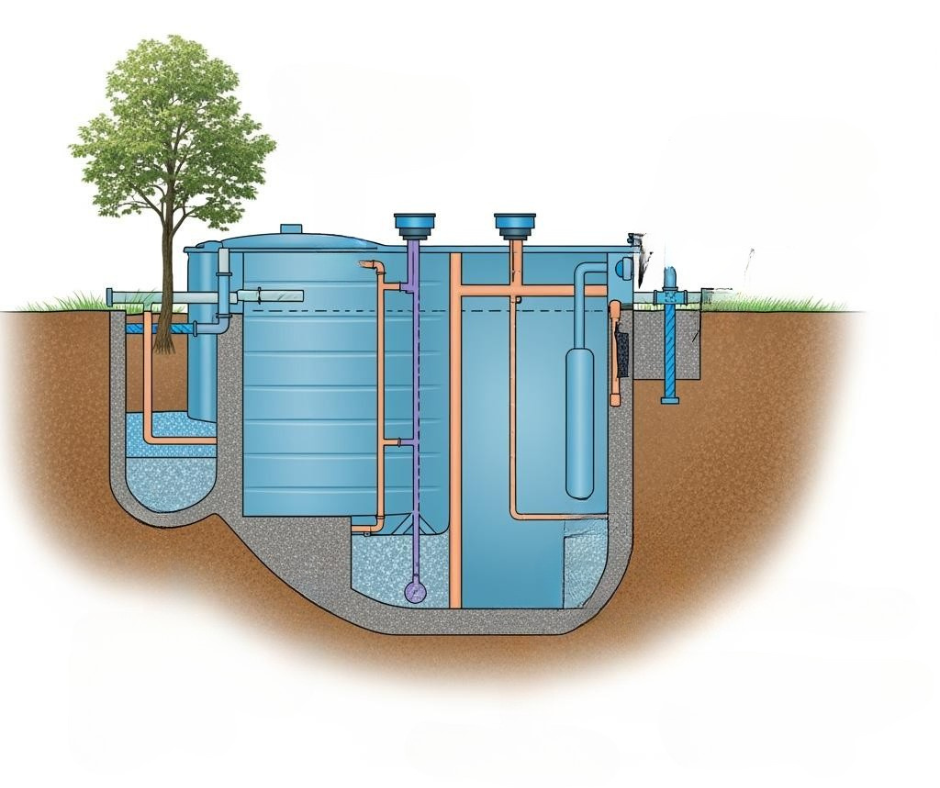
Holding tank systems provide complete wastewater storage solutions for properties where traditional septic systems aren’t feasible or where temporary waste management is needed. Unlike septic systems that treat and dispose of wastewater on-site, holding tanks collect and store wastewater until professional pumping services remove it for proper treatment at licensed facilities.
The geographic diversity of Coburg properties creates varying wastewater management challenges. Properties on steep slopes may lack adequate soil depth for septic drain fields. Meanwhile, areas with high groundwater tables or clay soils may not provide suitable conditions for traditional septic systems. Therefore, holding tank systems offer reliable alternatives that work effectively regardless of soil conditions or topography.
Municipal sewer access remains limited throughout much of Coburg’s rural areas. Consequently, property owners need alternative wastewater management solutions that comply with health regulations while providing convenient waste disposal. Furthermore, holding tank systems eliminate the uncertainty of septic system performance in challenging soil conditions.
Environmental protection considerations make holding tank systems attractive for environmentally sensitive areas. Since these systems prevent any wastewater discharge into surrounding soil or groundwater, they protect local water resources from contamination. Additionally, professional waste removal ensures proper treatment at licensed facilities.
Regulatory compliance becomes straightforward with holding tank systems because they meet all health department requirements for wastewater management. Moreover, these systems eliminate concerns about septic system failures that could create health hazards or environmental violations. Therefore, property owners gain peace of mind through reliable waste management solutions.
Types of Holding Tank Systems Available
Coburg Oregon holding tank system installations include various configurations designed to meet different property needs, usage patterns, and budget requirements. Understanding available system types helps property owners select solutions that provide optimal performance while meeting specific wastewater management objectives.
Concrete Holding Tank Systems
Concrete holding tanks provide maximum durability and longevity for permanent wastewater storage installations. These robust systems resist damage from soil movement, freeze-thaw cycles, and heavy traffic loads while providing decades of reliable service. Furthermore, concrete tanks offer excellent structural integrity that prevents collapse or deformation under challenging soil conditions.
Custom sizing options allow concrete holding tanks to accommodate specific capacity requirements based on property usage and pumping frequency preferences. Additionally, professional installation ensures proper foundation preparation and waterproof sealing that prevents leakage. Moreover, concrete systems integrate seamlessly with existing plumbing while providing reliable long-term performance.
Installation complexity for concrete systems requires professional expertise with excavation, placement, and connection procedures. However, the long-term benefits include minimal maintenance requirements and exceptional durability that justifies initial investment costs. Therefore, concrete holding tanks provide excellent value for permanent installations.
Fiberglass Tank Installations
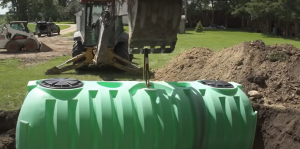
Fiberglass holding tanks offer lightweight installation advantages while providing excellent corrosion resistance and structural strength. These tanks resist chemical degradation from household wastewater while maintaining structural integrity in challenging soil conditions. Additionally, fiberglass systems provide smooth interior surfaces that facilitate waste removal during pumping services.
Manufacturing precision ensures consistent quality and performance across all fiberglass tank installations. Moreover, these systems arrive complete with inlet and outlet connections, ventilation provisions, and access risers that simplify installation procedures. Furthermore, lightweight construction reduces excavation requirements and installation costs.
Need professional holding tank installation in Coburg? Call us for expert consultation and installation services tailored to your property’s specific wastewater management needs.

Corrosion resistance makes fiberglass tanks ideal for properties with aggressive soil conditions or high groundwater tables. Unlike steel tanks that may corrode over time, fiberglass systems maintain their integrity indefinitely when properly installed. Therefore, these systems provide reliable long-term performance with minimal maintenance requirements.
Polyethylene Storage Solutions
Polyethylene holding tanks provide cost-effective wastewater storage for temporary installations or budget-conscious property owners. These lightweight systems offer easy installation and replacement while providing adequate performance for many residential applications. Additionally, polyethylene tanks resist most household chemicals and maintain flexibility in varying soil conditions.
Installation simplicity makes polyethylene systems attractive for properties requiring quick wastewater solutions. Moreover, these tanks typically cost less than concrete or fiberglass alternatives while providing satisfactory performance for many applications. Furthermore, replacement becomes straightforward when system upgrades or capacity changes are needed.
Capacity limitations may restrict polyethylene systems to smaller residential applications or temporary installations. However, these systems work effectively for guest houses, ADUs, or seasonal properties where wastewater volumes remain manageable. Therefore, polyethylene tanks offer practical solutions for specific applications.
Professional Installation Process and Requirements
Proper installation of Coburg Oregon holding tank system installations requires expertise with excavation, plumbing integration, electrical systems, and local permitting requirements. Professional installation ensures optimal performance while providing warranty protection and regulatory compliance that protects your wastewater management investment.
Site Assessment and Planning
Comprehensive site evaluation determines optimal tank placement while considering soil conditions, groundwater levels, access requirements, and integration with existing utilities. Professional assessment identifies potential challenges early while developing solutions that ensure successful installation and long-term performance.
Soil analysis determines excavation requirements, bedding needs, and drainage considerations that affect installation complexity and costs. Additionally, Coburg’s diverse soil conditions require different installation approaches that professional contractors understand and address appropriately. Moreover, proper soil evaluation prevents installation problems and ensures system stability.
Capacity calculations based on household size, usage patterns, and pumping frequency preferences ensure tank sizing meets actual needs while optimizing cost-effectiveness. Furthermore, professional sizing prevents undersized systems that require frequent pumping or oversized systems that waste money. Therefore, accurate capacity planning ensures optimal system performance.
Excavation and Installation Procedures
Excavation work for holding tank systems requires precision and safety measures that protect utilities, preserve landscaping, and ensure proper installation depths. Professional excavation includes utility location, soil removal, and site preparation that meets manufacturer specifications and local building codes.
Foundation preparation ensures level, stable support that prevents settling or shifting that could damage tank integrity over time. Additionally, professional foundation work includes proper grading, compaction, and bedding materials that provide long-term stability. Moreover, correct foundation preparation prevents future maintenance problems.
Ready to install a reliable holding tank system? Contact Shawn Turner for expert installation and design services.
Tank placement requires specialized equipment and expertise to position systems correctly while preventing damage during installation. Furthermore, professional installation includes proper alignment, connection verification, and backfill procedures that ensure optimal performance. Therefore, expert installation protects your investment while ensuring reliable operation.
Plumbing and Electrical Integration
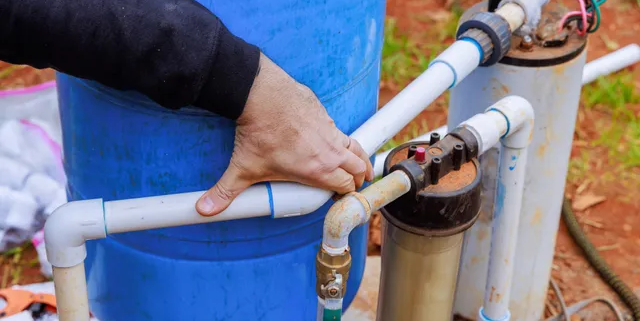
Plumbing connections integrate holding tank systems with existing household wastewater lines while ensuring proper flow and ventilation. Professional plumbing work includes pipe sizing, slope calculations, and connection methods that optimize system performance. Additionally, proper ventilation prevents odors while ensuring safe operation.
Electrical installations for monitoring systems, alarms, and pumping equipment must meet local codes while providing safe, reliable operation. Moreover, professional electrical work includes proper grounding, circuit protection, and control system integration. Furthermore, electrical installations ensure system monitoring and alert capabilities.
Pump system integration may be required for properties where gravity flow cannot reach the holding tank location. Therefore, professional pump selection and installation ensure adequate waste transport while providing reliable long-term performance. Additionally, pump systems include backup capabilities and monitoring features.
Maintenance and Pumping Requirements
Regular maintenance keeps Coburg Oregon holding tank system installations operating effectively while ensuring compliance with health regulations and preventing system problems. Understanding maintenance requirements helps property owners budget appropriately while maintaining optimal system performance and environmental protection.
Pumping Schedule Management
Pumping frequency depends on tank capacity, household size, and usage patterns but typically ranges from monthly to quarterly service. Professional pumping services monitor tank levels and recommend optimal pumping schedules that prevent overflow while minimizing service costs. Additionally, regular pumping maintains system capacity and prevents backup problems.
Professional pumping services use specialized equipment and follow proper procedures for waste removal and tank cleaning. Moreover, licensed waste haulers ensure proper disposal at approved treatment facilities while maintaining compliance with environmental regulations. Furthermore, professional services provide documentation required for regulatory compliance.
Monitoring systems help property owners track tank levels and optimize pumping schedules based on actual usage patterns. Therefore, advanced monitoring prevents emergency situations while reducing pumping costs through optimized scheduling. Additionally, monitoring systems provide early warning of potential problems.
System Inspection and Maintenance
Annual inspections evaluate tank condition, connection integrity, and ventilation system performance to identify potential problems before they cause failures. Professional inspections include tank structure assessment, connection verification, and component testing that ensures continued reliable operation.
Component maintenance includes pump service, electrical system inspection, and monitoring equipment calibration that maintains optimal system performance. Additionally, professional maintenance prevents equipment failures while extending component life through proper care. Moreover, regular maintenance protects warranty coverage.
Ventilation system maintenance ensures proper odor control and safe operation through regular inspection and cleaning of vents and filters. Furthermore, proper ventilation prevents pressure buildup that could damage tank structure or cause operational problems. Therefore, ventilation maintenance ensures safe, odor-free operation.
Emergency Response and Troubleshooting
Emergency pumping services address overflow situations or system failures that require immediate attention to prevent health hazards or property damage. Professional emergency services provide rapid response with specialized equipment to resolve urgent situations quickly and safely.
Troubleshooting services diagnose system problems and implement solutions that restore proper operation while preventing recurring issues. Additionally, professional troubleshooting identifies root causes rather than just treating symptoms. Moreover, expert diagnosis ensures effective solutions that provide long-term reliability.
Backup pumping solutions provide temporary waste management during system repairs or maintenance procedures. Therefore, professional services maintain system operation while addressing problems that could otherwise disrupt household wastewater management. Furthermore, backup solutions prevent emergency situations during maintenance.
Ensure your holding tank system performs reliably year-round. Call us for comprehensive maintenance and pumping services that protect your investment.
For comprehensive wastewater management solutions beyond holding tanks, explore our complete septic system services that provide alternative waste management options.
Regulatory Compliance and Permits
Coburg Oregon holding tank system installations must comply with Lane County health department regulations, building codes, and environmental protection requirements. Understanding regulatory requirements helps property owners navigate the permitting process while ensuring full compliance with all applicable regulations.
Health Department Requirements
Lane County Health Department oversees holding tank system permits and inspections to ensure proper installation and operation. Permit applications require detailed system specifications, site plans, and capacity calculations that demonstrate compliance with health regulations. Additionally, professional contractors handle permit applications and coordinate required inspections.
Installation standards specify tank materials, capacity requirements, ventilation provisions, and access features that ensure safe operation and maintenance. Moreover, health department standards protect public health while ensuring proper waste management. Furthermore, compliance with installation standards provides legal protection for property owners.
Operational requirements include regular pumping schedules, maintenance records, and monitoring procedures that demonstrate proper system management. Therefore, health department regulations ensure continued compliance while protecting public health and environmental quality. Additionally, proper record keeping supports permit renewals and system modifications.
Building Code Compliance
Building code requirements govern structural aspects of holding tank installations including excavation safety, foundation specifications, and utility connections. Professional contractors ensure installations meet all applicable building codes while providing safe, reliable system operation. Moreover, code compliance protects property owners from liability issues.
Electrical code compliance ensures safe installation of monitoring systems, alarms, and pumping equipment according to National Electrical Code standards. Additionally, professional electrical work includes proper permits and inspections that verify code compliance. Furthermore, electrical safety prevents fire hazards and ensures reliable system operation.
Plumbing code requirements govern wastewater connections, ventilation systems, and access provisions that ensure proper system integration. Therefore, professional plumbing work ensures code compliance while optimizing system performance. Moreover, proper plumbing connections prevent leaks and operational problems.
Environmental Protection Standards
Groundwater protection requirements ensure holding tank systems prevent contamination of local water resources through proper installation and operation. Environmental standards specify tank materials, installation procedures, and monitoring requirements that protect water quality. Additionally, professional installations include environmental protection measures.
Waste disposal regulations require proper treatment of pumped waste at licensed facilities according to environmental protection standards. Moreover, professional pumping services ensure compliance with waste disposal requirements while protecting environmental quality. Furthermore, proper waste management prevents pollution and legal violations.
Documentation requirements include installation records, maintenance logs, and pumping records that demonstrate environmental compliance. Therefore, proper record keeping supports regulatory compliance while protecting property owners from enforcement actions. Additionally, documentation provides valuable information for system management.
Cost Analysis and Investment Value
Understanding cost factors for Coburg Oregon holding tank system installations helps property owners budget appropriately while recognizing long-term value these systems provide. Installation costs vary based on system type, capacity, site conditions, and local permit requirements.
Initial Installation Investment
Basic holding tank installations typically range from $8,000 to $15,000 for residential systems including excavation, tank placement, and basic plumbing connections. However, site conditions, access limitations, and system complexity can significantly affect total project costs. Therefore, professional assessment provides accurate cost estimates for specific installations.
System capacity affects costs significantly, with larger tanks requiring more expensive materials and installation procedures but providing longer periods between pumping services. Additionally, tank material selection influences initial costs, with concrete systems typically costing more than fiberglass or polyethylene alternatives. Moreover, capacity planning balances initial costs with operational expenses.
Site preparation costs depend on soil conditions, excavation depth, and access requirements that may require specialized equipment or additional labor. Furthermore, challenging site conditions can increase installation complexity and associated costs. Therefore, thorough site assessment helps predict total project costs accurately.
Operating Costs and Maintenance Expenses
Pumping costs typically range from $300 to $600 per service depending on tank capacity and local service rates. Pumping frequency affects annual operating costs, with larger tanks requiring less frequent service but higher per-service costs. Additionally, usage patterns influence pumping frequency and associated costs.
Maintenance expenses include annual inspections, component service, and occasional repairs that typically total $200 to $500 annually. Professional maintenance prevents costly problems while ensuring optimal system performance and regulatory compliance. Moreover, preventive maintenance extends system life while reducing emergency repair costs.
Monitoring system costs may include equipment installation and monthly service fees for advanced monitoring capabilities. However, monitoring systems often reduce pumping costs through optimized scheduling while preventing emergency situations. Therefore, monitoring investments typically provide positive returns through operational savings.
Long-term Value and Benefits
Property value enhancement from reliable wastewater management often exceeds installation costs through improved marketability and buyer confidence. Holding tank systems enable development of properties previously unsuitable for construction due to wastewater management challenges. Additionally, reliable waste management supports property values and development potential.
Regulatory compliance value protects property owners from enforcement actions while enabling continued property use and development. Moreover, properly installed and maintained holding tank systems satisfy health department requirements while providing legal protection. Furthermore, compliance documentation supports property transfers and permit renewals.
Environmental protection benefits include groundwater preservation and proper waste treatment that benefit the entire community. Additionally, holding tank systems prevent septic system failures that could create environmental contamination. Therefore, these systems provide both individual and community environmental benefits.
Ready to invest in reliable wastewater management for your Coburg property? Contact us for comprehensive consultation on holding tank installation options.

Technology Integration and Smart Monitoring
Modern Coburg Oregon holding tank system installations incorporate advanced monitoring, control, and automation technologies that provide enhanced convenience, efficiency, and reliability. Understanding available technology options helps property owners select systems that provide optimal performance while simplifying operation and maintenance.
Advanced Monitoring Systems
Level monitoring systems provide continuous tracking of tank capacity and usage patterns through digital displays or smartphone applications. Smart monitoring prevents overflow situations while optimizing pumping schedules based on actual usage rather than arbitrary time intervals. Additionally, monitoring systems provide valuable data for system management and cost optimization.
Alarm systems alert property owners to high water levels, system problems, or maintenance needs through audible alarms, visual indicators, or smartphone notifications. Furthermore, early warning capabilities enable prompt response that prevents overflow situations or system damage. Therefore, alarm systems provide essential protection against emergency situations.

Remote monitoring capabilities allow property owners to track system status from anywhere while receiving immediate notifications about important system events. Moreover, remote access provides convenience for property owners who travel frequently or manage multiple properties. Additionally, remote monitoring supports proactive system management.
Automated Control Features
Pump control systems optimize waste transfer from collection areas to holding tanks while providing automatic operation and protection against pump damage. Automated controls ensure proper pump operation while extending equipment life through intelligent operation. Furthermore, automation reduces manual intervention requirements.
Flow management systems regulate wastewater flow into holding tanks while preventing hydraulic overload that could cause operational problems. Additionally, flow control optimizes tank capacity utilization while preventing backup situations. Moreover, proper flow management ensures system efficiency and reliability.
Maintenance scheduling automation uses system data to predict maintenance needs and schedule service automatically. Therefore, automated scheduling prevents maintenance delays while optimizing service timing for maximum effectiveness. Furthermore, predictive maintenance reduces costs while ensuring optimal system performance.
Integration with Property Management
Building automation integration connects holding tank systems with broader property management technologies for comprehensive monitoring and control. Integrated systems provide centralized management while optimizing overall property operations. Additionally, integration reduces monitoring complexity while improving system coordination.
Utility management coordination optimizes holding tank operation with other property utilities to reduce costs and improve efficiency. Smart coordination prevents conflicts between different systems while maximizing overall property efficiency. Moreover, integrated management provides comprehensive cost control.
Data analytics capabilities track system performance trends and identify optimization opportunities that reduce costs while improving reliability. Furthermore, analytics support informed decision-making about system modifications or upgrades. Therefore, data-driven management maximizes system value and performance.
Learn more about smart wastewater management technologies in our intelligent water system guide for comprehensive property utility integration.
For additional information about residential wastewater management systems and regulations, visit the EPA’s septic system information for comprehensive guidance on wastewater treatment options and environmental protection.
Selecting the Right System for Your Coburg Property
Choosing appropriate Coburg Oregon holding tank system installations requires careful evaluation of property characteristics, usage requirements, regulatory compliance needs, and long-term objectives. Professional consultation helps navigate these considerations while ensuring optimal system selection for specific circumstances.
Property Assessment and Requirements
Usage analysis determines appropriate tank capacity based on household size, wastewater generation patterns, and desired pumping frequency. Professional analysis prevents undersized systems that require frequent pumping or oversized systems that waste money. Additionally, accurate usage assessment ensures optimal system performance and cost-effectiveness.
Site evaluation assesses soil conditions, topography, access requirements, and utility locations that affect installation complexity and costs. Furthermore, thorough site assessment identifies potential challenges while developing solutions that ensure successful installation. Moreover, professional evaluation prevents installation problems and ensures optimal system placement.
Future expansion considerations include potential property development, additional buildings, or increased usage that might require system modifications. Therefore, system planning should accommodate anticipated changes while providing flexibility for future upgrades. Additionally, expandable systems protect initial investments while supporting property development goals.
System Comparison and Selection
Material comparison evaluates concrete, fiberglass, and polyethylene options based on durability requirements, installation conditions, and budget constraints. Professional guidance helps balance initial costs with long-term performance expectations while ensuring optimal material selection. Moreover, material choice affects maintenance requirements and system longevity.
Capacity optimization balances tank size with pumping frequency preferences and cost considerations. Larger tanks reduce pumping frequency but increase initial costs, while smaller tanks cost less initially but require more frequent service. Therefore, capacity selection should optimize total cost of ownership while meeting operational preferences.
Technology integration options include monitoring systems, alarms, and automation features that enhance system convenience and reliability. Advanced features provide operational benefits but increase initial costs, requiring careful evaluation of cost-benefit relationships. Furthermore, technology selection should match operational requirements and technical capabilities.
Professional Installation Considerations
Contractor selection requires evaluation of experience, licensing, insurance coverage, and local reputation to ensure quality installation and reliable service. Professional contractors provide expertise while ensuring regulatory compliance and warranty protection. Additionally, experienced contractors prevent installation problems while optimizing system performance.
Timeline planning coordinates installation scheduling with other construction activities while minimizing property disruption and ensuring efficient project completion. Furthermore, proper scheduling ensures adequate time for quality installation while meeting project deadlines. Therefore, timeline planning protects installation quality while optimizing project efficiency.
Warranty coverage provides protection against defects and installation problems while ensuring long-term system reliability. Professional installations include comprehensive warranties that demonstrate contractor confidence while providing valuable protection. Moreover, warranty coverage supports system investments while ensuring customer satisfaction.
Conclusion: Ensuring Reliable Wastewater Management
Coburg Oregon holding tank system installations provide essential wastewater management solutions for properties throughout this diverse Lane County community. Whether addressing rural properties without sewer access, challenging soil conditions unsuitable for septic systems, or specialized applications requiring reliable waste storage, professional holding tank systems offer proven solutions that protect public health while supporting property development goals.
The complexity of modern holding tank systems, combined with Coburg’s unique geographic and regulatory environment, makes professional expertise essential for successful installations. Expert contractors provide comprehensive services from initial site assessment through ongoing maintenance while ensuring regulatory compliance and optimal system performance. Furthermore, professional installation protects investments while providing long-term reliability.
Advanced monitoring technologies and smart control systems offer unprecedented convenience and efficiency while traditional holding tank principles ensure reliable wastewater management regardless of property conditions. The key to successful holding tank installation lies in professional assessment that matches system capabilities to specific property needs while ensuring proper installation and ongoing maintenance.
Whether addressing immediate wastewater management needs or planning for future property development, professional Coburg Oregon holding tank system installations provide reliable solutions that protect public health while supporting property values. The investment in quality equipment and expert installation typically provides substantial returns through reliable waste management, regulatory compliance, and enhanced property development potential for decades to come.
Ready to secure reliable wastewater management for your Coburg property?
Call Alpine Pumps at (541) 424-2243 today for expert consultation and professional holding tank installation services that provide long-term solutions tailored to your specific property needs and regulatory requirements.