Key Benefits of Holding Tank Water Storage Systems
• Transforms 2 GPM wells into adequate supply for families of five or more people
• Eliminates water shortages during peak usage periods like morning routines and evening activities
• Provides reliable irrigation water for gardens without depleting household supply significantly
• Reduces pump cycling frequency, extending equipment lifespan and lowering maintenance costs
• Ensures emergency water reserves during power outages or equipment failures
• Accommodates future water needs as families grow or expand property usage
Lane County’s diverse geology creates varying well yields across the region. Additionally, many properties experience seasonal water level fluctuations that affect well production. Furthermore, holding tank systems provide buffer capacity that bridges the gap between well output and household demand.
Understanding water storage fundamentals helps families make informed decisions about system sizing and installation. Moreover, professional assessment ensures optimal tank placement and integration with existing plumbing systems.
Discover how Alpine Pump can solve your low-yield well challenges – contact our team to learn more about professional water storage solutions.
Top 5 Reasons Lane County Families Need Water Storage Tanks
1. Low Well Yield Solutions
Wells producing only 2 gallons per minute cannot support typical family water usage patterns effectively. A family of five typically uses 300-400 gallons daily for drinking, cooking, bathing, and laundry. However, a 2 GPM well only produces 2,880 gallons per day under continuous operation.
2. Peak Demand Management
Morning routines create simultaneous water demands that exceed well capacity instantly. Showers, coffee brewing, and breakfast preparation occur concurrently in busy households. Therefore, storage tanks provide immediate water availability during high-demand periods.
3. Garden Irrigation Flexibility
Small gardens require 1-2 inches of water weekly, totaling 600-1,200 gallons per week. Additionally, irrigation timing affects plant health and water efficiency significantly. Consequently, storage systems enable flexible watering schedules without depleting household water supplies.
4. System Reliability Enhancement
Equipment failures or power outages interrupt water service when relying solely on wells. Storage tanks provide backup water supplies during emergencies or maintenance periods. Furthermore, redundant systems protect families from unexpected water shortages.
5. Future Expansion Capacity
Growing families or property improvements increase water demands over time significantly. Storage systems accommodate increased usage without requiring well modifications or upgrades. Additionally, tanks support additions like swimming pools, hot tubs, or expanded irrigation systems.

What Size Holding Tank Do You Need for a Family of Five?
Proper tank sizing ensures adequate water storage while avoiding oversized systems that increase costs unnecessarily.
Daily Water Usage Calculations
The EPA estimates average household water consumption at 80 gallons per person daily. However, families with gardens typically use 10-20% more water for irrigation and outdoor activities. Therefore, a family of five needs approximately 440-480 gallons daily during growing seasons.
Calculate your specific usage by monitoring water meter readings over several weeks. Additionally, consider seasonal variations in consumption patterns throughout the year. Furthermore, account for guests, holidays, and special events that increase temporary water demands.
Storage Capacity Requirements
Holding tank installation for water storage typically requires 1-3 days of reserve capacity for optimal performance. This buffer accommodates well recovery time and prevents system cycling during extended usage periods. Therefore, families of five benefit from 1,000-1,500 gallon storage tanks.
Larger tanks provide greater security but increase installation costs and space requirements significantly. Additionally, oversized tanks may experience water quality issues due to extended storage periods. Consequently, professional sizing balances capacity needs with practical constraints.
Well Recovery Considerations
A 2 GPM well produces 2,880 gallons daily under continuous operation conditions. However, static water levels and drawdown affect actual production rates significantly. Therefore, well testing determines sustainable yield rates for system design purposes.
Recovery rate testing measures how quickly wells refill after pumping cycles. Additionally, seasonal variations affect well performance throughout the year consistently. Furthermore, professional assessment identifies optimal pumping schedules that maximize well efficiency.
Shawn Turner provides expert tank sizing for Lane County families – call (541) 305-7676 to ensure your storage system meets current and future water needs effectively.
How Do You Choose the Right Water Storage Tank Type?
Different tank materials and configurations offer distinct advantages for residential water storage applications.
Polyethylene Storage Tanks
Polyethylene tanks provide cost-effective water storage with excellent corrosion resistance and durability. These tanks resist UV degradation, freezing damage, and chemical contamination effectively. Additionally, polyethylene construction enables custom sizing and configuration options for specific installations.
Food-grade polyethylene ensures water quality compliance with drinking water standards consistently. Furthermore, these tanks feature easy installation and maintenance compared to alternative materials. However, proper support and foundation requirements prevent tank damage over time.
Fiberglass Tank Options
Fiberglass tanks offer superior strength and longevity for demanding applications significantly. These tanks resist temperature extremes, chemical exposure, and physical damage better than plastic alternatives. Additionally, fiberglass construction provides excellent insulation properties for temperature control.
Professional installation ensures proper handling and connection of fiberglass systems safely. Furthermore, these tanks accommodate higher operating pressures for complex plumbing configurations. However, higher initial costs require careful budget consideration during system planning.
Steel Tank Considerations
Steel tanks provide maximum durability and pressure capability for specialized applications. These tanks handle high-pressure systems and extreme weather conditions effectively. Additionally, steel construction offers fire resistance and vandal protection benefits.
Proper coating and maintenance prevent corrosion in steel tank installations consistently. Furthermore, professional welding ensures leak-free connections and system integrity. However, steel tanks require careful installation and ongoing maintenance for optimal performance.
Underground vs. Above-Ground Installation
Underground installations protect tanks from weather extremes and provide freeze protection naturally. Additionally, buried tanks preserve property aesthetics and save above-ground space significantly. However, excavation costs and access challenges increase installation complexity.
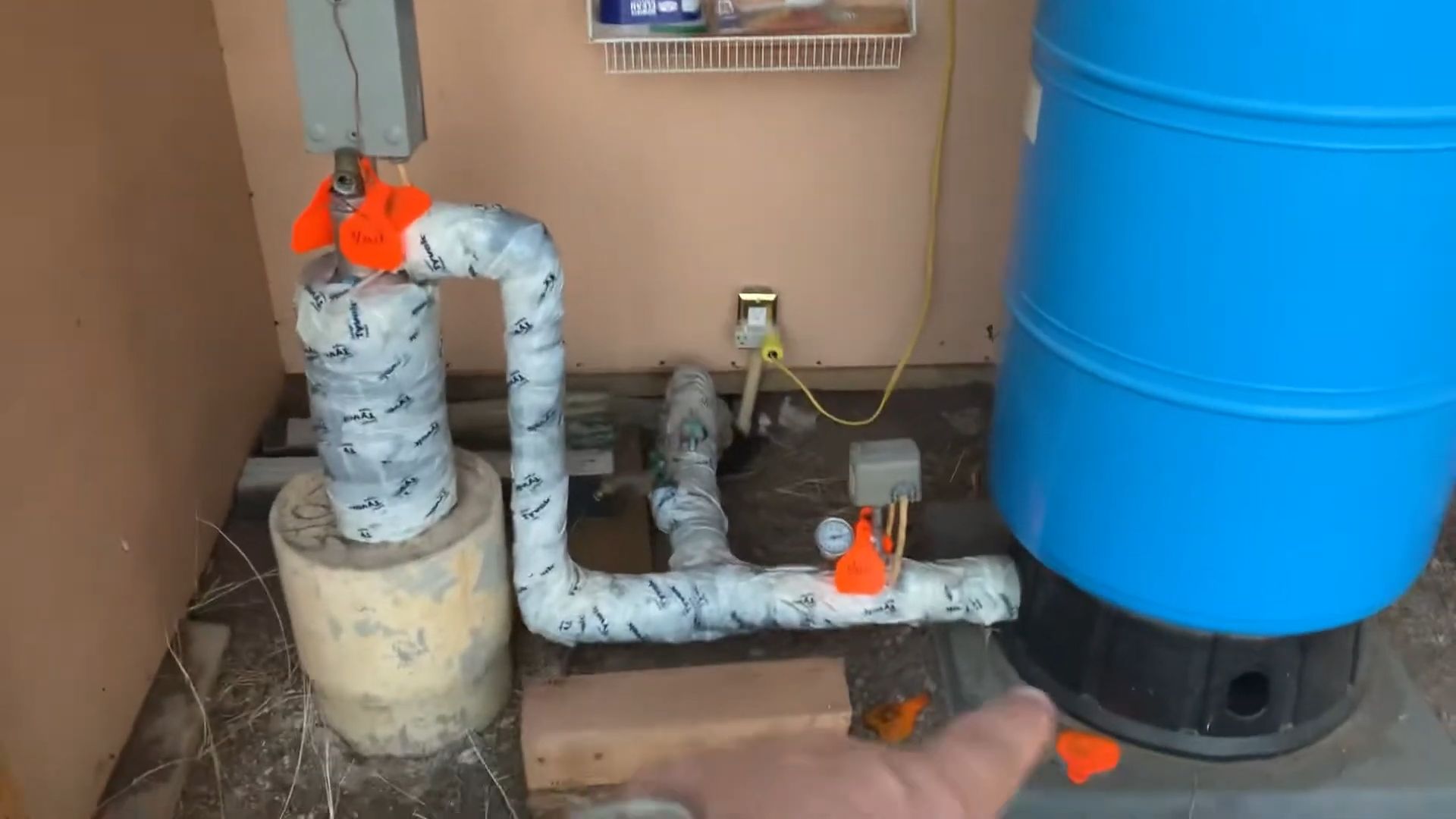
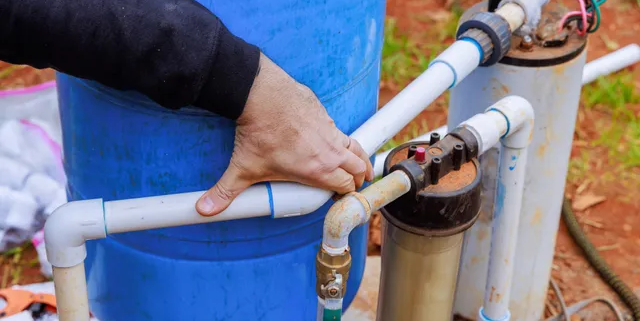
Above-ground installations enable easier maintenance access and lower installation costs initially. Furthermore, these systems allow visual inspection and quick repairs when needed. Additionally, above-ground tanks can relocate if property layouts change over time. Here is an example prior to the pump house shelter being built around the installation of the holding tank.

What Installation Process Should You Expect for Water Storage Systems?
Professional installation ensures optimal performance while protecting your investment in water storage technology.
Site Assessment and Preparation
Thorough site evaluation determines optimal tank placement considering access, drainage, and utility connections. Additionally, soil conditions affect foundation requirements and excavation procedures significantly. Furthermore, local building codes influence installation methods and permit requirements.
Professional assessment identifies potential challenges before installation begins, preventing costly delays and modifications. Moreover, proper planning ensures adequate space for maintenance access and future system expansions.
Excavation and Foundation Work
Underground installations require precise excavation to accommodate tank dimensions and utility connections safely. Additionally, proper bedding and backfill materials prevent tank damage during installation. Furthermore, drainage systems protect foundations from water accumulation and frost damage.
Foundation work ensures level placement and adequate support for fully loaded tanks consistently. Moreover, professional contractors understand soil conditions and drainage requirements specific to Lane County geography.
Plumbing and Electrical Connections
Water storage systems require careful integration with existing well pumps and household plumbing networks. Additionally, pressure tanks, check valves, and control systems ensure proper operation and water quality. Furthermore, electrical connections power pumps, sensors, and monitoring equipment safely.
Professional holding tank system installation prevents common problems that affect system performance and longevity significantly.
System Testing and Commissioning
Comprehensive testing verifies proper operation before placing systems into service permanently. Additionally, pressure testing identifies leaks and ensures system integrity throughout the installation. Furthermore, control system calibration optimizes performance for specific household requirements.
Professional commissioning includes homeowner training on system operation and maintenance procedures. Moreover, documentation provides warranty protection and maintenance guidance for ongoing system care.
How Much Does Holding Tank Installation Cost in Lane County?
Understanding installation costs helps families budget for water storage solutions while evaluating long-term benefits effectively.
Equipment and Material Costs
Holding tank installation for water storage typically costs 3,500−3,500-8,500 depending on tank size, material, and installation complexity. Polyethylene tanks cost 800−800-2,500, while fiberglass options range from 2,000−2,000-5,000 installed. Additionally, excavation, plumbing, and electrical work add 1,500−1,500-3,500 to total project costs.
Professional installation ensures warranty protection and optimal performance throughout system lifespan. Furthermore, quality materials and workmanship prevent costly repairs and premature replacement needs.
Installation Variables Affecting Price
Underground installations typically cost 20-40% more than above-ground systems due to excavation requirements. Additionally, rock or difficult soil conditions increase excavation costs significantly. Furthermore, distance from existing utilities affects connection expenses and project complexity.
System complexity influences pricing through additional pumps, controls, and monitoring equipment needs. Moreover, permit fees and inspection requirements add administrative costs to total project investment.
Long-Term Value Considerations
Water storage systems provide immediate benefits through consistent water availability and reduced pump cycling. Additionally, property values increase with reliable water infrastructure that supports family needs. Furthermore, emergency preparedness benefits justify investment costs for many homeowners.
The National Ground Water Association reports that adequate water storage increases property marketability and buyer appeal significantly. Therefore, professional installations represent valuable improvements that benefit current and future homeowners.
Alpine Pump offers competitive pricing and financing options for Lane County water storage projects – contact us at (541) 305-7676 to discuss your family’s specific needs and budget requirements.
What Maintenance Do Water Storage Systems Require?
Proper maintenance protects your investment while ensuring safe, reliable water storage throughout system lifespan.
Regular Inspection Procedures
Monthly visual inspections identify potential issues before they become costly problems requiring extensive repairs. Additionally, checking tank exteriors for damage, leaks, or settlement helps maintain system integrity. Furthermore, monitoring water levels and pump operation ensures optimal performance consistently.
Professional annual inspections verify system components and identify maintenance needs proactively. Moreover, documentation helps track system performance and warranty compliance over time.
Water Quality Management
Storage tanks require periodic cleaning to maintain water quality and prevent bacterial growth effectively. Additionally, proper circulation prevents stagnation that degrades taste and odor characteristics. Furthermore, water testing ensures compliance with drinking water standards consistently.
Tank cleaning typically occurs every 3-5 years depending on water quality and usage patterns. Moreover, professional cleaning ensures thorough disinfection and system sanitization safely.
System Component Maintenance
Pumps, pressure switches, and control systems require regular maintenance to ensure reliable operation. Additionally, valve operation and leak prevention protect against water loss and system damage. Furthermore, electrical connections need periodic inspection and maintenance for safety.
Professional maintenance programs include comprehensive system checks and preventive repairs that extend equipment life significantly. Moreover, scheduled maintenance prevents emergency failures and costly repairs.
Seasonal Considerations
Winter preparations protect storage systems from freezing damage in Lane County’s climate conditions. Additionally, spring startup procedures ensure proper operation after winter shutdown periods. Furthermore, summer maintenance addresses increased usage and system stress during growing seasons.
What Permits and Regulations Apply to Water Storage Installation?
Understanding regulatory requirements ensures compliant installations that protect public health and safety consistently.
Lane County Building Permits
Most water storage installations require building permits for excavation, plumbing, and electrical work performed. Additionally, permit applications must include system specifications and installation drawings for approval. Furthermore, inspection requirements verify code compliance throughout installation processes.
Professional contractors handle permit applications and coordinate inspections to ensure timely project completion. Moreover, proper permitting protects homeowners from liability and ensures warranty coverage.
Water Quality Regulations
The Oregon Health Authority regulates private water systems to ensure public health protection consistently. Additionally, storage tanks must meet drinking water standards and cross-connection prevention requirements. Furthermore, backflow prevention devices protect public water supplies from contamination.
Professional installation ensures compliance with water quality regulations and safety standards effectively. Moreover, proper system design prevents contamination and maintains water quality throughout storage periods.
Environmental Considerations
Storage tank installations must comply with environmental regulations protecting groundwater and surface water resources. Additionally, proper setbacks from wells, septic systems, and property boundaries prevent contamination. Furthermore, storm water management protects against erosion and runoff issues.
Contact Shawn Turner at (541) 305-7676 to ensure your Lane County water storage project meets all regulatory requirements while providing reliable service for your family’s needs.
Key Takeaways
Water storage systems transform low-yield wells into reliable water supplies that support family needs and garden irrigation effectively. Additionally, proper sizing ensures adequate capacity while avoiding oversized systems that increase costs unnecessarily. Furthermore, professional installation protects investments and ensures optimal performance throughout system lifespan.
Understanding tank options, installation processes, and maintenance requirements helps families make informed decisions about water storage solutions. Moreover, regulatory compliance protects public health while ensuring safe, reliable water storage for residential applications.
Tank sizing calculations must account for daily usage patterns, peak demand periods, and well recovery characteristics specific to your property. Additionally, professional assessment identifies optimal solutions that balance capacity needs with budget constraints effectively.
Maintenance programs protect water quality and system reliability while extending equipment life significantly. Furthermore, proper planning and professional installation ensure years of dependable service for Lane County families.
Frequently Asked Questions
How much water storage do I need for a family of five with a 2 GPM well?
A family of five typically needs 1,000-1,500 gallon storage capacity to bridge the gap between daily consumption (440-480 gallons) and well production. This provides 2-3 days reserve while allowing well recovery time during peak usage periods.
What type of holding tank is best for water storage in Lane County?
Polyethylene tanks offer excellent value with corrosion resistance and UV protection for most applications. Fiberglass provides superior durability for demanding conditions. Professional assessment determines optimal material based on your specific installation requirements and budget considerations.
How long does holding tank installation for water storage take to complete?
Most installations complete within 2-4 days depending on tank size and site conditions. Underground installations require additional excavation time, while above-ground systems install faster. Weather conditions and permit approval can affect project timelines in Lane County.
Can I use stored water for drinking and cooking safely?
Yes, properly installed food-grade tanks maintain drinking water quality when designed with appropriate circulation and filtration systems. Regular cleaning every 3-5 years and periodic water testing ensure continued safety for all household uses including drinking.
What permits do I need for water storage tank installation in Lane County?
Most installations require building permits for excavation, plumbing, and electrical work. Oregon Health Authority regulations apply to private water systems. Professional contractors handle permit applications and ensure compliance with all local and state requirements.
How much does it cost to install a water storage system?
Holding tank installation for water storage typically costs 3,500−3,500-8,500 including equipment and professional installation. Costs vary based on tank size, material choice, excavation requirements, and system complexity. Underground installations generally cost 20-40% more than above-ground systems.
Will a storage tank work during power outages?
Storage tanks provide water during power outages until the stored supply depletes. Gravity-fed systems work without electricity, while pressurized systems require power for pumps. Battery backup or generators can maintain full system operation during extended outages.
How often do water storage tanks need maintenance?
Monthly visual inspections and annual professional service maintain optimal performance. Tank cleaning occurs every 3-5 years depending on water quality. Pump and control system maintenance follows manufacturer recommendations, typically annually for reliable long-term operation.
Can I install a holding tank myself or do I need professional installation?
Professional installation ensures proper sizing, code compliance, and warranty protection. DIY installations often void manufacturer warranties and may violate local building codes. Professional contractors handle permits, excavation, plumbing, and electrical connections safely and efficiently.
What happens if my well runs dry with a storage tank system?
Storage tanks provide emergency water reserves when wells temporarily run dry. The tank supplies household needs while wells recover naturally. Properly sized systems prevent this situation by matching storage capacity to well recovery rates and household consumption patterns.
Call Alpine Pump today at (541) 305-7676 to schedule your free consultation and discover how holding tank installation for water storage can solve your low-yield well challenges permanently.