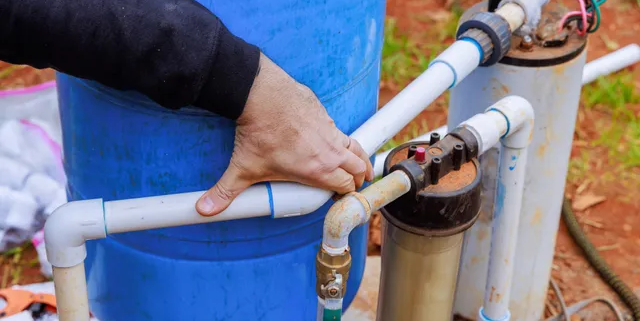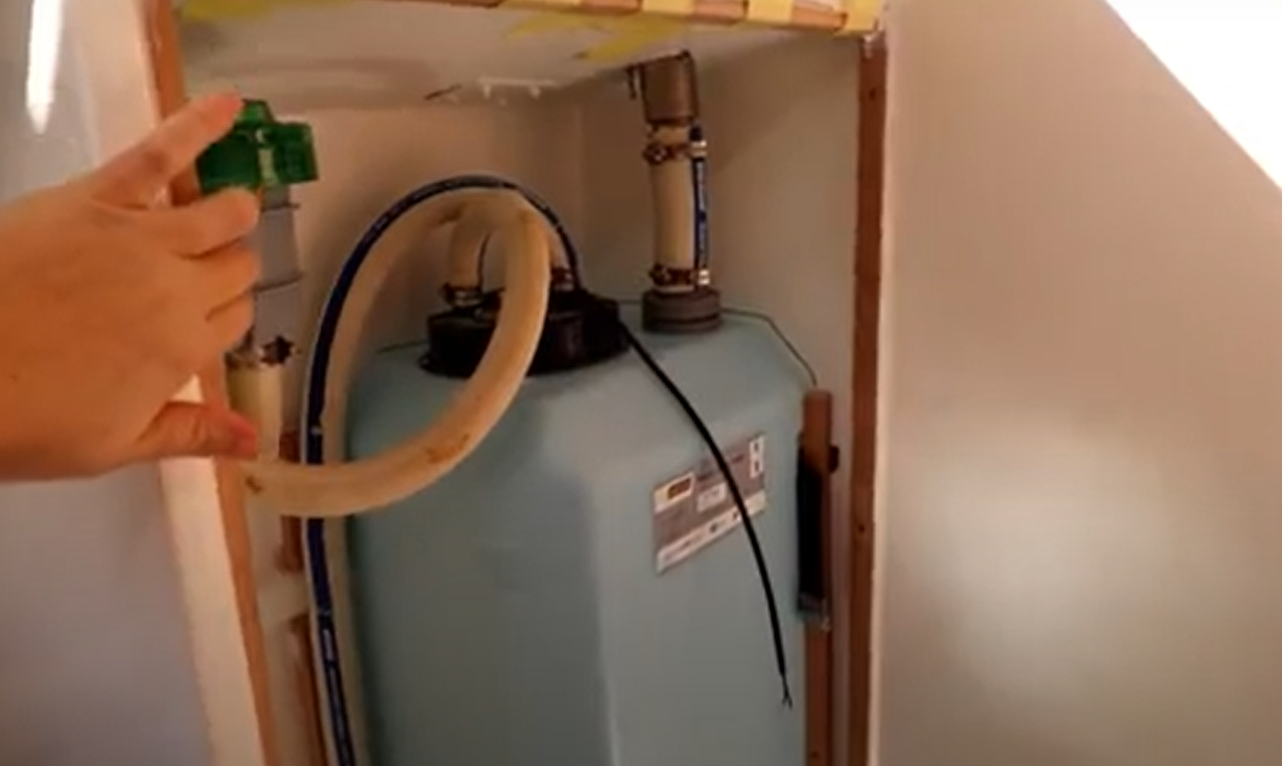
Professional Holding Tank System Installations
When it comes to holding tank system installations, I understand that having adequate water storage capacity is essential for properties that need reliable water supply, emergency backup storage, or specialized water management solutions. Whether you’re dealing with limited well capacity, seasonal water availability issues, or need storage for irrigation and livestock watering, a properly designed holding tank system provides dependable water storage when you need it most.
Living in Springfield, many properties face unique water storage challenges that make holding tank systems valuable investments. From rural properties with limited well capacity to homes requiring emergency water storage, these systems provide flexible solutions that ensure water availability regardless of changing conditions. As the owner of Alpine Pumps, I’m Shawn Turner, and I’ve been providing reliable water storage solutions to Springfield homeowners for over 30 years.
Understanding Holding Tank System Applications
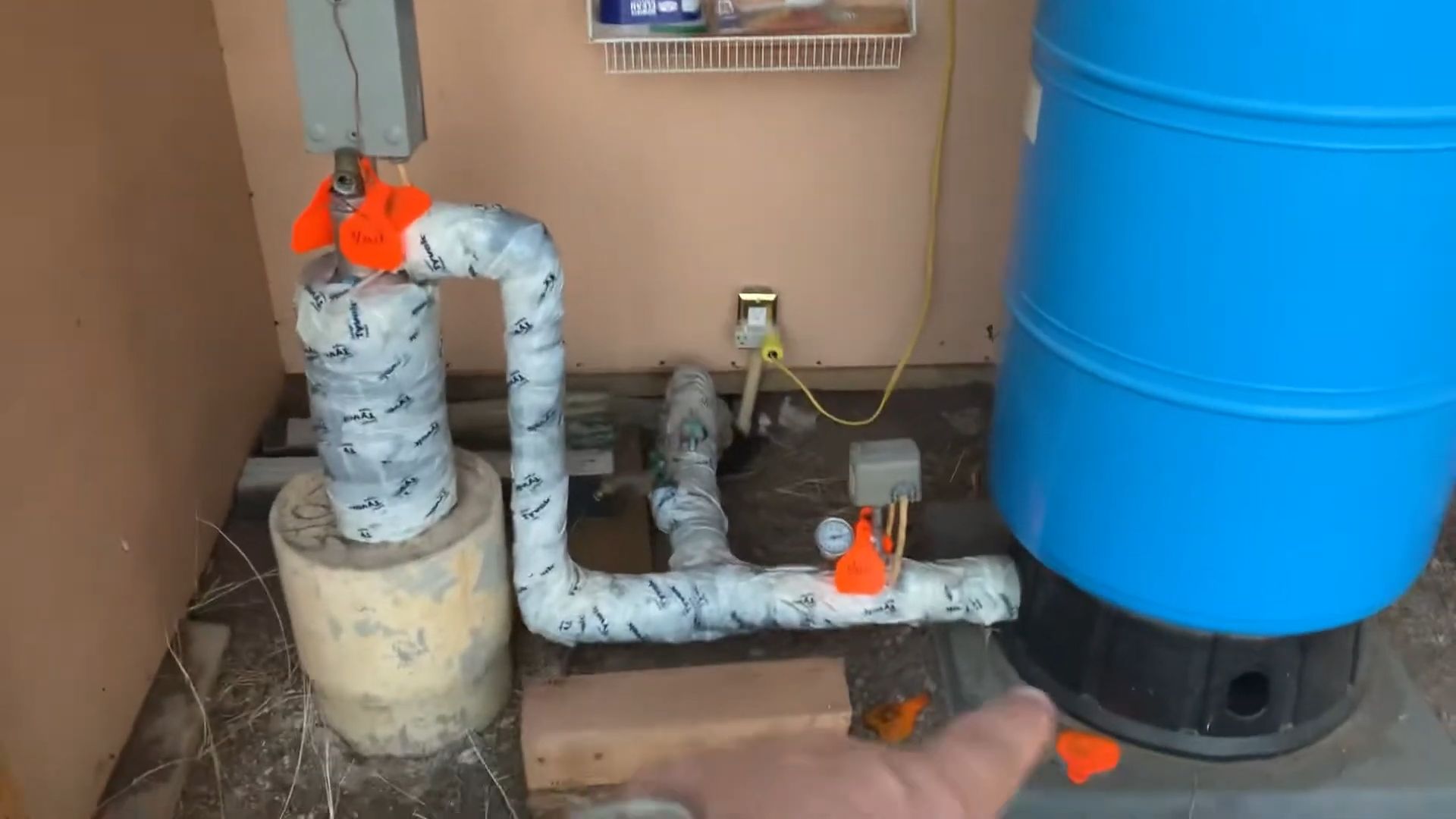
Holding tank systems serve multiple purposes in residential and commercial water management, providing storage capacity that bridges gaps between water supply and demand. These systems collect, store, and distribute water based on your specific needs and usage patterns.
Primary applications include emergency water storage for properties vulnerable to supply interruptions, supplemental storage for high-demand periods, and buffer tanks that allow smaller wells to meet larger household needs. Holding tanks also serve irrigation systems, livestock watering, and fire protection requirements.
Modern holding tank systems integrate with existing water infrastructure to provide seamless operation while maintaining water quality and pressure throughout your distribution system. Smart controls and monitoring systems ensure optimal performance while preventing overflow and contamination.
Water Storage Capacity Planning
Determining appropriate storage capacity requires analysis of your water usage patterns, supply reliability, and specific storage goals. I assess daily water consumption, peak demand periods, and supply source characteristics to recommend optimal tank sizing.
Emergency storage calculations consider household size, essential water needs, and desired backup duration. Most residential emergency storage systems provide 3-7 days of essential water needs, though longer duration storage may be appropriate for remote properties.
Irrigation storage sizing depends on landscape size, plant types, and seasonal watering requirements. These systems often require larger capacity to handle peak irrigation demands during dry summer months.
Planning a holding tank system installation in Springfield, Oregon? Call Shawn Turner at Alpine Pumps: (541) 424-2243
Types of Holding Tank Systems
Above-ground holding tanks offer cost-effective installation and easy maintenance access while providing flexible sizing options. These systems work well for properties with adequate space and can be integrated with existing structures or landscaping.
Underground holding tanks provide freeze protection, aesthetic advantages, and protection from vandalism or damage. While installation is more complex, these systems offer long-term durability and don’t impact property aesthetics.
Modular tank systems allow flexible capacity adjustment and staged installation as needs grow. These systems use multiple tanks connected together, providing redundancy and expansion capability that adapts to changing requirements.
Specialized Holding Tank Applications
Potable water storage tanks maintain drinking water quality through specialized materials and design features that prevent contamination. These systems include proper ventilation, overflow protection, and access provisions for cleaning and maintenance.
Non-potable storage systems handle irrigation water, fire protection, or other non-drinking applications with different design requirements. These systems often use more cost-effective materials while maintaining appropriate quality standards.
Pressurized storage systems integrate with pump systems to provide consistent water pressure throughout your distribution system. These tanks include pressure regulation and monitoring systems that ensure reliable performance.
Professional Installation Process
Professional holding tank installation ensures optimal performance, code compliance, and long-term reliability. I handle every aspect of installation from initial site assessment through final testing and system commissioning.
Site preparation includes excavation for underground systems or foundation preparation for above-ground installations. Proper site preparation ensures stable tank placement and adequate access for maintenance and monitoring.
System integration includes connecting tanks to existing water sources, distribution systems, and control equipment. These connections must be properly designed to maintain water quality while providing efficient operation.
Plumbing and Electrical Integration
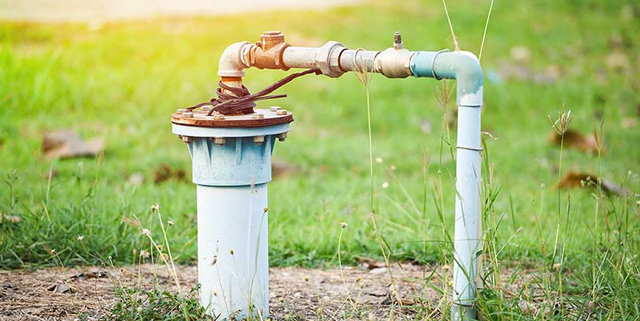
Plumbing connections integrate holding tanks with wells, municipal water supplies, and distribution systems while maintaining proper pressure regulation and backflow prevention. These connections ensure reliable water flow in both directions.
Electrical systems include pump controls, level monitoring, and alarm systems that manage tank operation automatically. Proper electrical installation ensures safe, reliable operation while providing monitoring and control capabilities.
Control system programming optimizes tank operation based on water demand patterns and supply availability. Smart controls can prioritize different water uses and manage system operation for maximum efficiency.
Water Quality Management in Storage
Maintaining water quality during storage requires proper tank design, materials selection, and management practices. I design systems that prevent contamination while maintaining water freshness during extended storage periods.
Tank materials must be appropriate for potable water storage when required, using food-grade materials that don’t affect taste or safety. Material selection also considers durability and compatibility with your specific water chemistry.
Circulation systems prevent stagnation and maintain water quality by ensuring regular water movement through storage tanks. These systems include inlet/outlet design and optional circulation pumps that keep water fresh.
Water Treatment Integration
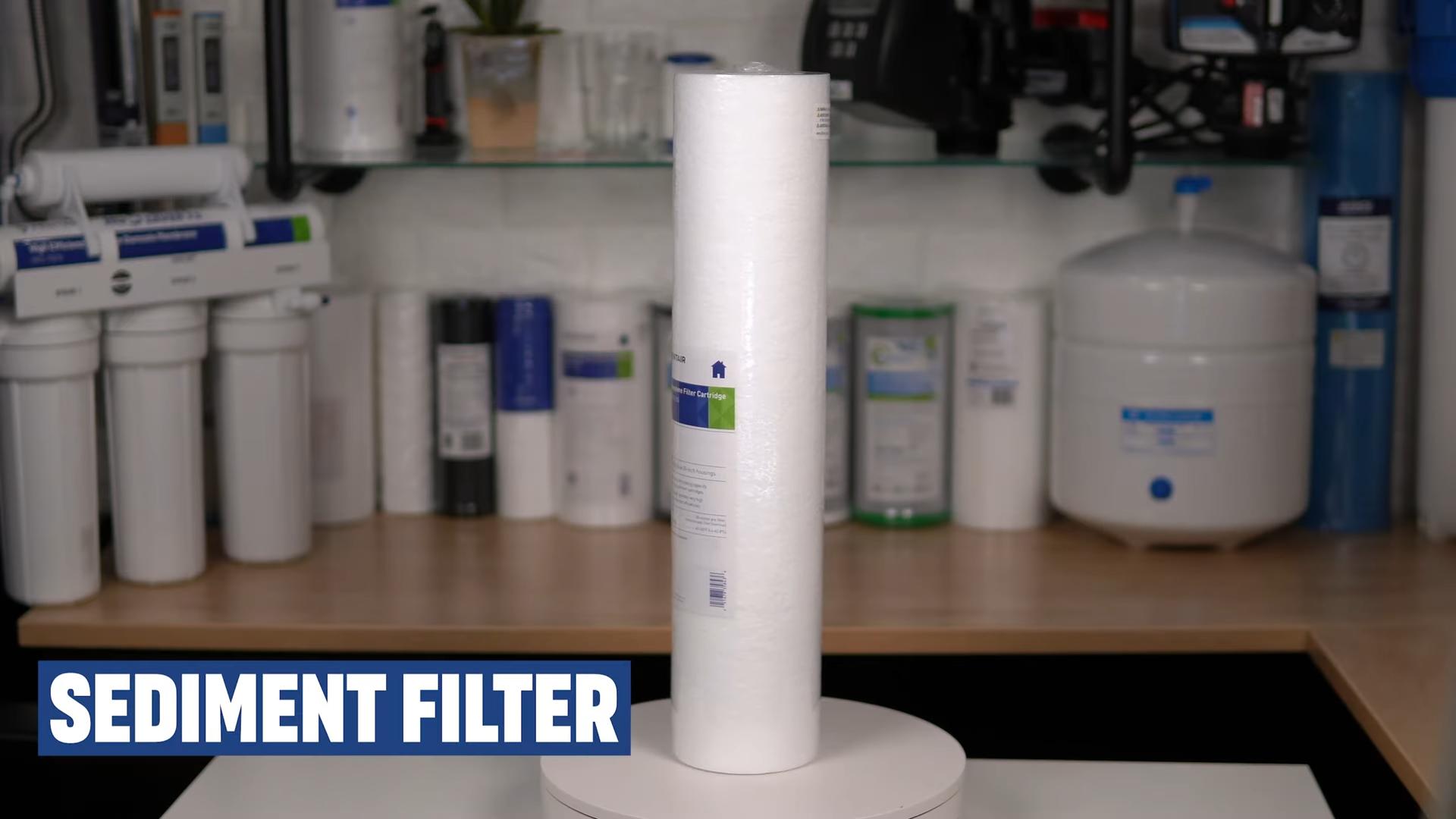
Filtration systems can be integrated with holding tank installations to improve water quality before storage or at point of use. These systems address specific water quality issues while maintaining storage system efficiency.
Disinfection systems including UV sterilization or chlorination maintain water safety during storage and distribution. These systems are particularly important for potable water storage in larger tanks or extended storage applications.
Water quality monitoring systems track storage conditions and alert you to any changes requiring attention. Modern monitoring includes remote sensing capabilities that provide real-time water quality information.
Ready for professional holding tank installation with integrated water quality management in Springfield, Oregon? Contact Alpine Pumps at (541) 424-2243
Pump System Integration
Holding tank systems require properly sized pumps to move water from supply sources into storage and from storage to distribution systems. I design pump systems that provide adequate flow while optimizing energy efficiency.
Supply pumps move water from wells or other sources into holding tanks based on tank levels and demand patterns. These pumps include automatic controls that maintain appropriate storage levels without overflowing tanks.
Distribution pumps deliver stored water from tanks to your home or irrigation system with consistent pressure and flow. These systems include pressure regulation and monitoring that ensures reliable water delivery.
Automated Control Systems
Level control systems manage pump operation based on tank water levels, automatically starting and stopping pumps to maintain optimal storage levels. These controls prevent both overflow and dry tank conditions that could damage equipment.
Pressure control systems maintain consistent water pressure throughout your distribution system regardless of demand variations. Proper pressure control ensures reliable operation of fixtures and appliances while protecting your plumbing system.
Smart monitoring systems provide remote access to tank levels, pump operation, and system status through smartphone apps or web interfaces. These systems allow proactive management and early problem detection.
Maintenance and System Care
Regular maintenance ensures your holding tank system continues providing reliable water storage while maintaining water quality standards. I recommend establishing maintenance schedules that include both routine inspections and professional service visits.
Tank cleaning procedures remove sediment and biofilm that can accumulate over time, maintaining water quality and storage capacity. Cleaning frequency depends on water quality, tank size, and usage patterns.
System component maintenance includes pump servicing, control system checks, and plumbing inspection that ensures reliable operation. Regular maintenance prevents failures and extends system life significantly.
Seasonal Maintenance Requirements
Winter preparation includes freeze protection measures for above-ground components and systems in unheated areas. Proper winterization prevents damage while ensuring continued operation during cold weather.
Spring startup procedures include system inspection after winter, testing all components, and water quality verification. Spring maintenance ensures optimal performance during peak usage seasons.
Summer monitoring focuses on increased usage periods and system performance under peak demand conditions. Summer maintenance includes cooling system checks and increased monitoring of water quality.
Regulatory Compliance and Permits
Holding tank installations must comply with local building codes, health department regulations, and water rights requirements. As a licensed professional, I ensure all installations meet applicable codes and obtain necessary permits.
Setback requirements govern tank placement relative to property lines, wells, and septic systems. These regulations protect water quality while ensuring adequate access for maintenance and inspection.
Water quality standards may apply to potable water storage systems, requiring specific materials, design features, and testing protocols. Compliance ensures safe drinking water storage and distribution.
Environmental Considerations
Groundwater protection measures prevent contamination from tank installations while ensuring compliance with environmental regulations. Proper installation techniques protect local water resources.
Stormwater management considerations address surface water impacts from tank installations and associated infrastructure. These measures prevent erosion and protect water quality in surrounding areas.
Wildlife protection measures ensure tank installations don’t create hazards for local wildlife while preventing contamination from animal intrusion. These considerations are particularly important for open or vented tank systems.
Emergency Backup and Redundancy
Emergency backup systems ensure water availability during power outages, equipment failures, or supply interruptions. I design systems with appropriate redundancy based on your specific needs and risk tolerance.
Generator backup systems maintain pump operation during power outages, ensuring continued water availability when electrical service is interrupted. These systems include automatic start capabilities for seamless operation.
Manual backup options provide water access when automated systems fail or during extended emergencies. These systems include manual pumps or gravity-fed options that ensure basic water availability.
Link to Oregon Health Authority’s water system regulations (https://www.oregon.gov/oha/ph/healthyenvironments/drinkingwater/pages/index.aspx)
System Monitoring and Alerts
Alarm systems notify you of low water levels, pump failures, or other conditions requiring attention. Early warning prevents water shortages while protecting equipment from damage.
Remote monitoring capabilities allow system status checking from anywhere, providing peace of mind when away from home during potential emergency situations.
Emergency response procedures include steps for managing system failures, water conservation during emergencies, and coordination with service providers for rapid problem resolution.
Cost Considerations and Value
Holding tank installation costs vary based on tank size, installation complexity, and integration requirements. Professional installation ensures optimal performance while providing warranty protection and code compliance.
Operating costs include electricity for pump operation and periodic maintenance expenses. Well-designed systems minimize operating costs while providing reliable water storage and distribution.
Property value enhancement results from improved water security and system capabilities that potential buyers recognize as valuable improvements. Holding tank systems often increase property marketability.
Return on Investment Analysis
Water security benefits often justify holding tank investments through reduced vulnerability to supply disruptions and improved system reliability. These benefits provide both practical and financial value.
System efficiency improvements through better water management and reduced pump cycling can provide ongoing cost savings that offset installation expenses over time.
Emergency preparedness value includes reduced risk of water shortages and associated costs or inconvenience during supply disruptions or equipment failures.
Why Choose Alpine Pumps for Holding Tank Systems
My 30-plus years of experience serving Springfield and Lane County provides unique expertise in local conditions and the most effective storage solutions for our area. I’ve installed numerous holding tank systems and understand which approaches work best for different property types and applications.
Local knowledge includes familiarity with Springfield’s soil conditions, climate considerations, and regulatory requirements that affect holding tank installations. This expertise ensures optimal system design and installation.
Complete Storage Solutions
When you choose Alpine Pumps for holding tank installation, you receive comprehensive service from initial planning through ongoing maintenance. I handle system design, permitting, installation, and long-term support to ensure your storage system provides years of reliable service.
My commitment to customer satisfaction includes thorough system testing, customer education about proper operation, and ongoing availability for questions or service needs. I stand behind every installation with comprehensive warranties and prompt service response.
Experience reliable water storage with professional holding tank system installation in Springfield, Oregon. Call Shawn Turner at Alpine Pumps today:(541) 424-2243