Holding Tank System Installations
When it comes to holding tank system installations, I understand that adequate water storage is essential for properties requiring backup water supplies, pressure regulation, or increased storage capacity for wells with limited production. A properly designed holding tank system provides reliable water storage while integrating seamlessly with your existing water system to ensure consistent water availability for all your needs.
Living in Junction City, many properties benefit from holding tank systems that provide water storage for peak demand periods, emergency backup, or irrigation needs. These systems offer flexibility and reliability that enhances your property’s water independence while ensuring adequate supply during high-demand situations.
Understanding Holding Tank System Applications
Holding tank systems serve multiple applications from emergency water storage to pressure regulation and peak demand management. These systems store water from wells, municipal sources, or other supplies to provide reliable water availability when needed most.
Primary applications include backup water storage for emergency situations, pressure buffering for consistent water delivery, and storage for irrigation or agricultural uses. Holding tanks also support properties with low-producing wells by storing water during low-demand periods for use during peak times.
Modern holding tank systems integrate with automated controls and monitoring systems that manage water levels, pumping cycles, and distribution while maintaining water quality throughout the storage period.
Water Storage Needs Assessment
Emergency preparedness storage provides backup water supplies during power outages, well failures, or municipal service interruptions. These systems ensure continued water access during emergencies when normal water sources may be unavailable.
Peak demand storage handles high water usage periods when well production or municipal pressure may be inadequate. Storage systems provide additional water capacity during irrigation, multiple simultaneous uses, or high-demand activities.
Pressure regulation storage maintains consistent water pressure throughout your property by providing a buffer against pressure fluctuations. These systems ensure reliable pressure for all fixtures and appliances regardless of demand variations.
Planning a holding tank system in Junction City, Oregon? Call Shawn Turner at Alpine Pumps for professional consultation: (541) 424-2243
Types of Holding Tank Systems
Above-ground holding tanks offer easy installation and maintenance access while providing flexible placement options. These tanks work well for properties with adequate space and can be integrated with existing structures or landscaping.
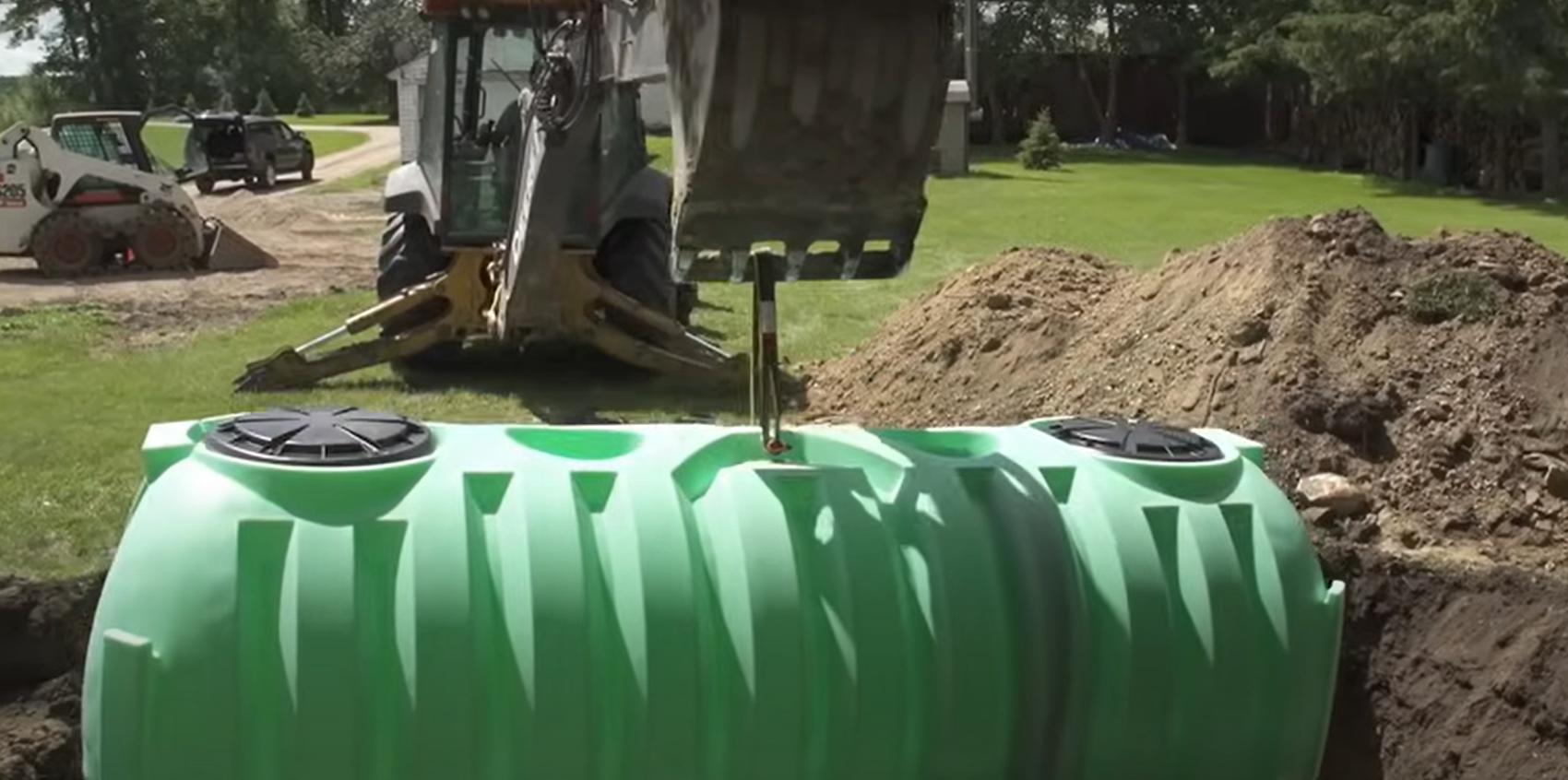
Underground holding tanks provide freeze protection, aesthetic advantages, and protection from temperature fluctuations that could affect water quality. While installation is more complex, these systems offer long-term durability without impacting property appearance.
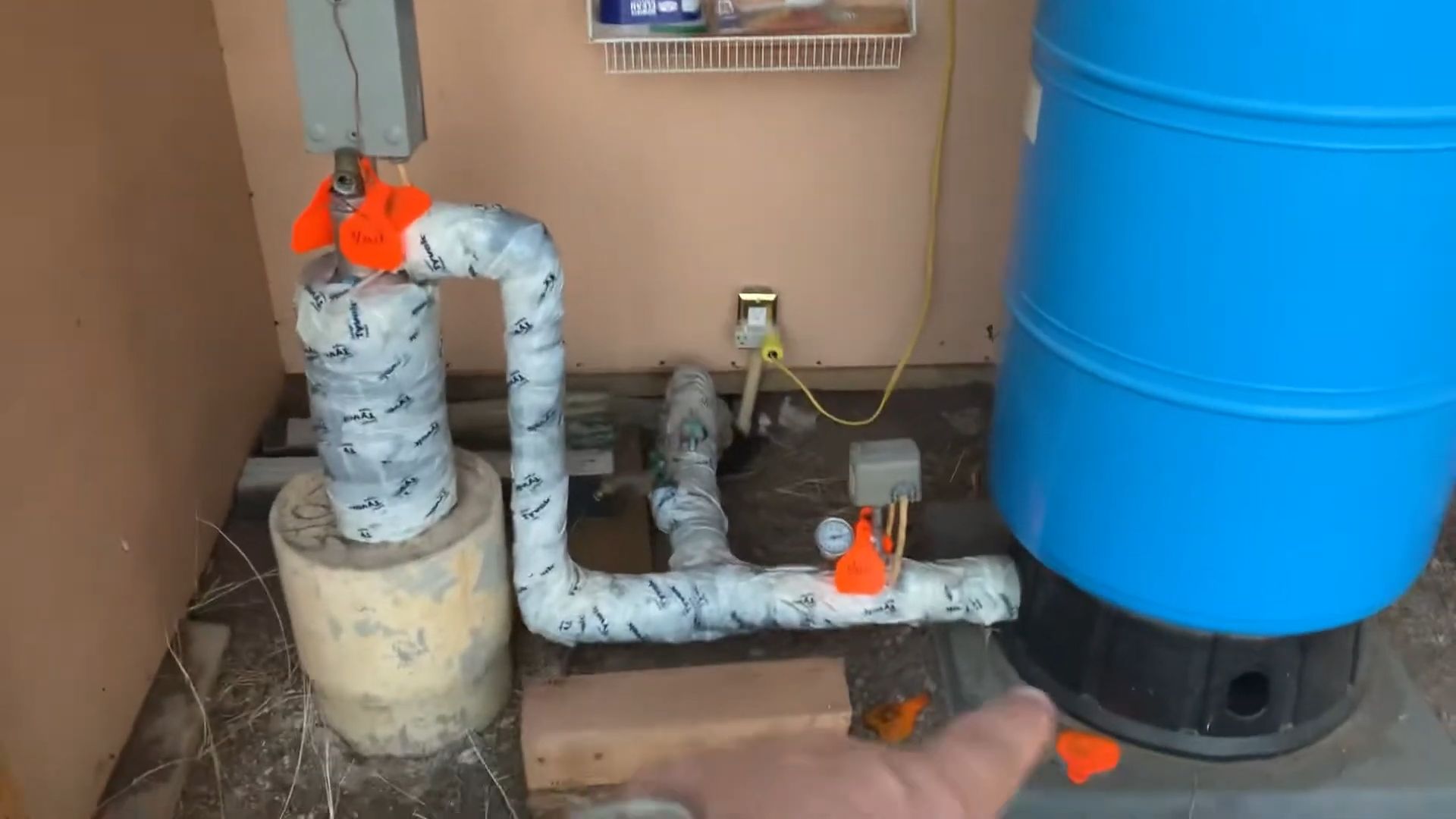
Pressurized holding tanks integrate directly with pump systems to provide consistent water pressure while storing water for immediate use. These systems combine storage capacity with pressure regulation for optimal performance.
Tank Materials and Construction
Polyethylene tanks provide cost-effective water storage with excellent corrosion resistance and food-grade safety for potable water storage. These tanks offer lightweight installation with good durability for most residential applications.
Fiberglass tanks offer superior strength and longevity with excellent corrosion resistance for challenging water conditions. These tanks provide long-term reliability with minimal maintenance requirements.
Concrete tanks provide maximum durability and capacity for large-scale storage applications. These permanent installations offer excellent longevity with proper construction and maintenance.
Professional Installation Services
Professional holding tank installation ensures optimal performance, code compliance, and long-term reliability while maximizing storage effectiveness and system integration. I handle all aspects of installation from site preparation through final system commissioning.
Site preparation includes excavation for underground systems, foundation preparation for above-ground installations, and utility coordination for electrical and plumbing connections. Proper site preparation ensures stable tank placement and reliable access.
System integration connects holding tanks to water sources, distribution systems, and control equipment while maintaining water quality and pressure regulation. Professional integration ensures seamless operation with existing water systems.
Plumbing and Control Integration
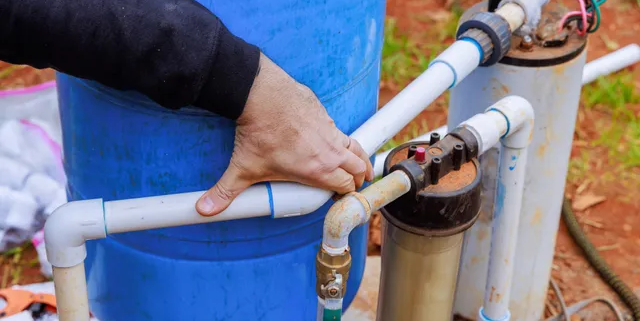
Inlet systems channel water from wells, municipal sources, or other supplies into holding tanks while incorporating filtration and flow control as needed. Proper inlet design prevents contamination while maximizing filling efficiency.
Outlet systems include pumps, pressure regulation, and distribution plumbing that deliver stored water to end uses. These systems must maintain water quality while providing adequate pressure and flow for intended applications.
Control systems manage tank filling, water level monitoring, and pump operation to ensure optimal system performance with minimal user intervention. Automated controls provide reliable operation while protecting equipment from damage.
Ready for professional holding tank installation in Junction City, Oregon? Contact Alpine Pumps for complete system design and installation: (541) 424-2243
Pump Integration and Pressure Management
Holding tank systems require properly sized pumps to fill tanks from water sources and deliver stored water to distribution systems. I design pump systems that provide reliable water movement while optimizing energy efficiency.
Filling pumps move water from wells or other sources into holding tanks at appropriate rates without overwhelming tank capacity or creating turbulence that could affect water quality. Proper pump sizing ensures efficient tank filling.
Distribution pumps deliver stored water from tanks to household or irrigation systems with adequate pressure and flow. These pumps must provide consistent performance while maintaining water quality throughout the distribution process.
Pressure Regulation Systems
Pressure tanks work with holding tank systems to provide consistent water pressure while reducing pump cycling. These systems store pressurized water for immediate delivery while protecting pumps from frequent starts and stops.
Variable frequency drives allow pump speed adjustment based on demand, providing energy savings while maintaining optimal pressure. VFD systems optimize performance during varying demand conditions.
Pressure switches and controls manage pump operation based on system pressure and tank levels, ensuring automatic operation that maintains adequate pressure without pump damage from dry running.
Water Quality Management
Holding tank systems must maintain water quality during storage periods through proper design, materials, and management practices. I design systems that preserve water quality while providing reliable storage capacity.
Tank design features including proper ventilation, inlet/outlet placement, and access provisions prevent contamination while maintaining water quality. Good design prevents stagnation and bacterial growth during storage.
Water treatment integration addresses quality issues before storage and maintains water quality throughout the storage period. Treatment systems ensure safe, high-quality water regardless of storage duration.
Circulation and Treatment Systems
Water circulation systems prevent stagnation and maintain water quality during extended storage periods. Proper circulation ensures consistent water quality throughout the tank while preventing dead zones.
Disinfection systems including UV sterilization or chlorination maintain water quality during storage and distribution. These systems prevent bacterial growth while ensuring safe water delivery.
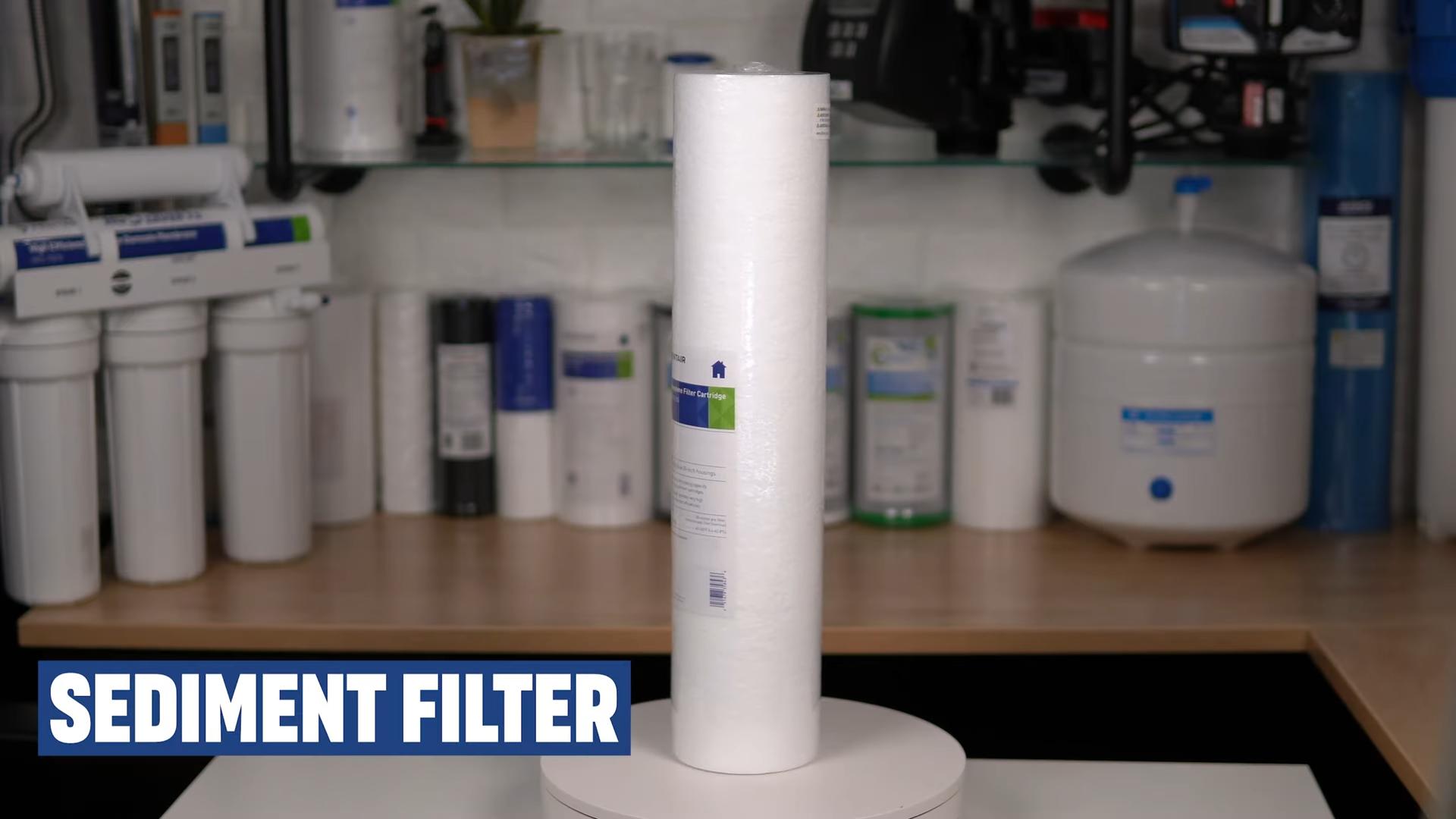
Filtration systems remove sediment and contaminants before storage and at point of use, maintaining water clarity and quality. Multi-stage filtration addresses different contamination sources while protecting storage water quality.
Automated Control Systems
Level monitoring systems track water levels in holding tanks and manage filling and distribution operations automatically. Advanced monitoring prevents overflow while ensuring adequate water supplies.
Smart controls coordinate pump operation, tank filling, and water distribution based on demand patterns and system requirements. Intelligent controls optimize performance while protecting equipment from damage.
Remote monitoring capabilities provide smartphone access to system status, water levels, and operation data. Remote access enables proactive management while providing alerts about system conditions.
Alarm and Safety Systems
High-level alarms prevent tank overflow that could cause property damage or system problems. These safety systems protect against overfilling while alerting users to potential issues.
Low-level protection prevents pump damage from dry running when tanks are empty. These systems protect expensive equipment while ensuring continued system reliability.
Emergency shutoff systems provide manual and automatic shutdown capabilities for safety and maintenance purposes. Proper shutoff systems ensure safe system operation and maintenance access.
Need automated holding tank controls in Junction City, Oregon? Alpine Pumps provides smart monitoring and control systems: (541) 424-2243
Maintenance and System Care
Regular maintenance ensures holding tank systems continue providing reliable water storage while maintaining water quality and system efficiency. I recommend establishing maintenance schedules that address both routine care and professional service.
Tank cleaning procedures remove sediment and biofilm that can accumulate over time, maintaining storage capacity and water quality. Cleaning frequency depends on water source quality, tank materials, and usage patterns.
System component maintenance includes pump servicing, control system checks, and plumbing inspection that ensures reliable operation. Regular maintenance prevents failures while extending system life significantly.
Water Quality Maintenance
Algae prevention measures include light exclusion, proper ventilation, and optional treatment systems that prevent biological growth in stored water. These measures maintain water quality while extending safe storage periods.
Sediment management includes inlet filtration and periodic cleaning that prevents accumulation of particles that could affect water quality or system components.
Disinfection maintenance ensures treatment systems continue operating effectively while monitoring water quality parameters that indicate system performance and safety.
Emergency and Backup Applications
Emergency water storage provides essential backup supplies during utility outages, natural disasters, or equipment failures. Properly sized emergency storage ensures adequate water for essential needs during extended outages.
Backup power integration maintains system operation during electrical outages when water needs may be most critical. Battery backup or generator systems ensure continued operation during emergencies.
Emergency distribution systems provide manual water access when automated systems aren’t functioning. These backup methods ensure water availability regardless of system status or power availability.
Disaster Preparedness
Earthquake protection includes proper tank anchoring and flexible connections that prevent damage during seismic events. Seismic design ensures continued water access after natural disasters.
Flood protection measures prevent contamination during flood events while maintaining system integrity. Proper protection preserves stored water quality during challenging conditions.
System Sizing and Capacity Planning
Proper holding tank sizing ensures adequate storage capacity for your specific needs while avoiding oversizing that increases costs unnecessarily. I analyze water usage patterns, source capacity, and intended applications to determine optimal tank size.
Usage analysis considers daily water consumption, peak demand periods, and seasonal variations that affect storage requirements. Accurate analysis ensures adequate capacity without excessive overhead.
Source capacity evaluation determines how quickly tanks can be refilled from available water sources. Proper balance between storage capacity and refill rate ensures reliable water availability.
Design Optimization
Storage duration requirements affect tank sizing and water quality management systems. Longer storage periods require larger tanks and enhanced water quality preservation measures.
Distribution requirements including flow rates and pressure needs influence pump sizing and system design. Proper design ensures adequate performance for all intended uses.
Expansion capabilities allow future capacity increases or system modifications as needs change. Flexible design protects your investment while accommodating evolving requirements.
Cost Considerations and Return on Investment
Initial installation costs vary based on tank size, installation complexity, and system features selected. Professional installation ensures optimal performance while providing warranty protection and code compliance.
Operating costs include pump operation, maintenance, and water treatment expenses. Well-designed systems minimize operating costs while providing reliable performance.
Value benefits include improved water security, system reliability, and property enhancement that often justify installation costs. Quality holding tank systems provide long-term value through reliable water storage.
Economic Benefits Analysis
Emergency preparedness value includes reduced vulnerability to water service interruptions and associated costs or inconvenience during outages or restrictions.
System efficiency improvements through proper storage and pressure management can reduce pump wear and energy consumption, providing ongoing operational savings.
Property value enhancement from improved water systems appeals to potential buyers concerned about water reliability and storage capacity.
Regulatory Compliance and Permits
Holding tank installations must comply with local building codes, health department regulations, and water system requirements. As a licensed professional, I ensure all installations meet applicable codes and obtain necessary permits.
Setback requirements govern tank placement relative to property lines, wells, septic systems, and structures. These regulations protect water quality while ensuring adequate access for maintenance.
Cross-connection prevention ensures holding tank water doesn’t contaminate municipal supplies through backflow or interconnection. These protections are required by most plumbing codes.
Health and Safety Standards
Potable water storage requirements include specific materials, design features, and treatment systems that ensure safe drinking water storage. Compliance protects your family’s health and safety.
Structural requirements ensure tank installations can withstand environmental loads including soil pressure, hydrostatic forces, and seismic activity. Proper design prevents failures that could cause damage.
Integration with Existing Systems
Holding tank systems integrate excellently with existing well water systems, providing supplemental storage that enhances system capacity while ensuring adequate water during peak demand periods.
Municipal water backup connections provide automatic switching between stored water and utility supplies based on demand or availability. These hybrid systems maximize reliability while optimizing costs.
Irrigation system integration provides dedicated water storage for landscape watering that doesn’t affect household water use. Dedicated storage enables better irrigation management and scheduling.
Link to EPA’s water storage guidelines (https://www.epa.gov/ground-water-and-drinking-water/basic-information-about-your-drinking-water-sources)
Complete Water Management
Whole-property integration includes coordination between domestic water, irrigation, and emergency storage systems that optimize water use while ensuring adequate supplies for all needs.
Treatment system coordination ensures water quality throughout storage and distribution while addressing source water quality issues that could affect storage or use.
Why Choose Alpine Pumps for Holding Tank Systems
My 30-plus years of experience serving Junction City and Lane County provides unique expertise in local water conditions and the most effective storage solutions for our area. I’ve installed numerous holding tank systems and understand which approaches work best for different applications.
Local knowledge includes familiarity with Junction City area water sources, soil conditions, and regulatory requirements that affect holding tank installations. This expertise ensures optimal system design and installation.
Complete Water Storage Solutions
When you choose Alpine Pumps for holding tank system installation, you receive comprehensive service from initial planning through ongoing maintenance. I handle system design, permitting, installation, and long-term support to ensure your storage system provides years of reliable service.
My commitment to customer satisfaction includes thorough system testing, customer education about proper operation, and ongoing availability for questions or service needs. I stand behind every installation with comprehensive warranties and prompt service response.
Enhance your water security with professional holding tank systems in Junction City, Oregon.
Call Shawn Turner at Alpine Pumps today for consultation and installation: (541) 424-2243