Sump Pump Installation Price in Eugene
Sump pump installation price typically ranges from $800 to $3,500, depending on system complexity and your home’s unique requirements. This investment protects your basement from flooding and prevents thousands in water damage.
Ready to safeguard your Eugene home from water damage?
Call Shawn Turner at Alpine Pump Inc. at 541-424-2243 for expert sump pump installation and repair services.
What Factors Influence Sump Pump Installation Costs?
Several variables determine the final cost of installing a sump pump system in your home. Understanding these factors helps you budget appropriately and make informed decisions about your basement waterproofing needs.
Pump type stands as the primary cost driver. Submersible pumps, which sit inside the sump basin, generally cost between $150 and $500 for the unit alone. Pedestal pumps, with motors mounted above the pit, run slightly less expensive at $100 to $300. However, submersible models offer quieter operation and longer lifespans, making them the preferred choice for most homeowners despite the higher upfront investment.
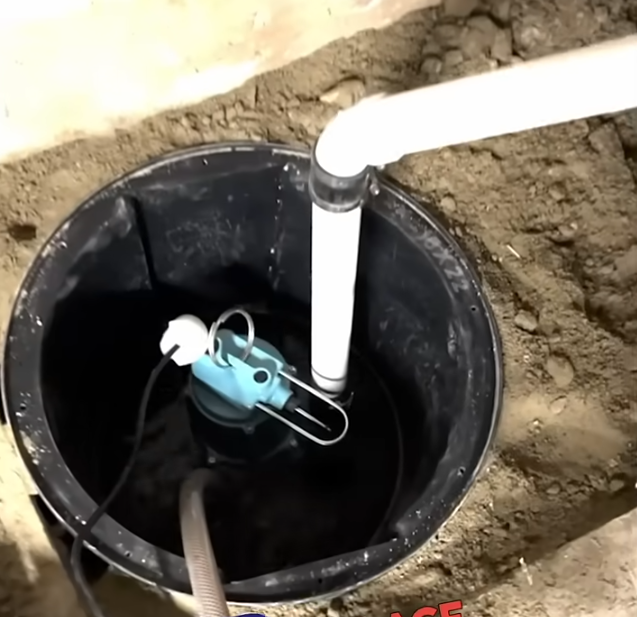
Basin excavation and installation significantly affect total expenses. Creating a proper sump pit requires digging a hole approximately 24 inches deep and 18 inches in diameter. Labor costs for excavation typically range from $300 to $800, depending on your basement’s concrete thickness and soil conditions. Homes with gravel or sandy soil allow easier digging, while clay or rocky terrain increases labor time and associated costs.

Labor and Professional Installation
Professional installation ensures proper system function and code compliance. Licensed contractors in Eugene charge between $500 and $1,500 for labor, depending on project complexity. This investment covers more than simple pump placement—professionals assess drainage patterns, determine optimal pit location, and ensure proper discharge line installation.
Additionally, experienced technicians verify that your system meets local building codes and Oregon’s plumbing standards. The Oregon Building Codes Division outlines specific requirements for sump pump installations, including discharge specifications and electrical safety protocols. Professional installers navigate these regulations seamlessly, saving you potential headaches with inspections or insurance claims.
Electrical work comprises another cost component. Most sump pumps require a dedicated 120-volt GFCI outlet near the pit. Hiring a licensed electrician to install this outlet adds $150 to $400 to your total expense. Homes lacking nearby power sources may incur higher costs for running new electrical lines through basement walls or ceilings.
Call Shawn Turner at Alpine Pump Inc. at 541-424-2243
How Much Does Battery Backup Add to Sump Pump Installation Price?
Battery backup systems represent a crucial upgrade for Eugene homeowners, especially during winter storms when power outages coincide with heavy rainfall. These systems ensure continued basement protection when primary pumps lose electricity, preventing catastrophic flooding during critical moments.
Basic battery backup units cost between $200 and $500, while premium systems with extended runtime capabilities range from $600 to $1,200. Installation adds another $200 to $400 in labor charges. Despite this additional expense, the peace of mind and protection against power-related failures make battery backup systems worthwhile investments for most properties.
Water-powered backup pumps offer an alternative solution, utilizing municipal water pressure to operate during electrical outages. These systems cost $150 to $400 for the unit, plus $300 to $600 for professional installation. However, they increase your water bill and may not function during simultaneous water main and power failures, making battery backups more reliable overall.
Discharge Line Installation Costs
Proper discharge line installation ensures water flows away from your foundation effectively. Standard installations include 20 to 30 feet of PVC piping, costing $200 to $500 for materials and labor. Extended discharge lines or buried pipes that prevent freezing add $300 to $800 to total expenses.
Eugene’s wet climate necessitates thoughtful discharge planning. Water must exit at least 10 feet from your foundation and preferably flow into a storm drain, dry well, or sloped yard area. Homes requiring underground drainage systems or connection to municipal storm sewers face higher costs, sometimes reaching $1,000 to $2,000 for complex installations.
Furthermore, freeze protection becomes essential during Oregon’s occasional cold snaps. Installing freeze-resistant discharge lines or freeze guards adds $100 to $300 but prevents potentially catastrophic system failures during winter weather events.
Protecting your Eugene property requires expert planning and installation—contact our experienced team today to discuss your specific sump pump needs and receive a detailed cost estimate.
Call Shawn Turner at Alpine Pump Inc. at 541-424-2243

What Are the Different Types of Sump Pumps and Their Price Ranges?
Selecting the appropriate sump pump type impacts both initial costs and long-term performance. Each pump category serves specific applications and offers distinct advantages depending on your basement’s characteristics and water intrusion patterns.
Pedestal sump pumps position motors above the sump pit, making them easily accessible for maintenance and repairs. These units cost $100 to $300 and typically last 25 to 30 years with proper care. Their elevated design prevents motor submersion, extending operational lifespan. However, they operate noticeably louder than submersible alternatives and take up more basement space.
Submersible pumps sit entirely within the sump basin, offering quieter operation and more discreet appearance. Units range from $150 to $500, with premium models featuring enhanced durability and higher pumping capacities. These pumps generally last 10 to 15 years and handle larger water volumes more efficiently than pedestal models, making them ideal for basements prone to significant flooding.
Specialized Pump Systems
Combination pump systems provide dual protection by pairing primary and backup pumps in a single installation. These comprehensive solutions cost $800 to $2,000 for equipment alone, with installation adding another $500 to $1,000. Combination systems deliver maximum security for valuable finished basements or homes in flood-prone areas.
Sewage ejector pumps serve different purposes than standard sump pumps but often get confused with them. These units handle wastewater from basement bathrooms, laundry rooms, or bars, pumping waste upward to main sewer lines. Ejector pump installations cost $1,500 to $4,000, significantly more than standard sump pumps due to specialized requirements and plumbing complexities.
High-capacity pumps accommodate properties experiencing severe water intrusion or large basement areas. These robust systems cost $300 to $800 for the pump unit and handle 3,000 to 5,000 gallons per hour. Properties near creeks, rivers, or areas with high water tables particularly benefit from these powerful pumping solutions.
Call Shawn Turner at Alpine Pump Inc. at 541-424-2243
Why Does Sump Pump Installation Price Vary by Location?
Geographic factors significantly influence sump pump installation costs across different regions. Eugene homeowners face unique pricing considerations compared to other Oregon cities or national averages, primarily due to local market conditions and environmental factors.
Labor rates in Eugene typically run $75 to $125 per hour for licensed contractors, slightly higher than rural Oregon communities but lower than Portland metropolitan pricing. Local building permit fees add $50 to $200 to total costs, varying by project scope and municipal requirements. Always verify permit needs with Eugene’s Building and Permit Services before starting installation work.
Soil composition affects excavation difficulty and costs throughout Lane County. Eugene’s diverse geology includes areas with clay-heavy soil, requiring more labor-intensive digging, and regions with volcanic rock requiring specialized equipment. These variations can swing excavation costs by several hundred dollars between neighboring properties.
Seasonal Pricing Fluctuations
Demand cycles impact sump pump installation pricing throughout the year. Eugene’s rainy season from October through April creates peak demand for basement waterproofing services, potentially increasing costs by 10% to 20% during these busy months. Scheduling installations during summer dry periods often yields better pricing and faster service availability.
Emergency installations command premium pricing, sometimes doubling standard rates. Flooded basements requiring immediate attention leave homeowners vulnerable to inflated charges. Proactive installation during calm periods avoids these crisis-driven expenses and ensures thorough, unhurried workmanship.
Property accessibility influences labor costs as well. Basements with narrow doorways, low ceilings, or limited equipment access require additional time and effort, increasing installation expenses. Multi-story homes may incur extra charges for carrying equipment and materials up or down stairs.
Call Shawn Turner at Alpine Pump Inc. at 541-424-2243

How Can You Reduce Sump Pump Installation Expenses?
Smart strategies help minimize installation costs without compromising system quality or reliability. Several approaches allow budget-conscious homeowners to protect their basements effectively while controlling expenses.
Obtaining multiple quotes from reputable contractors provides price comparison opportunities and negotiating leverage. Request at least three detailed estimates outlining equipment specifications, labor breakdown, and warranty coverage. Beware of quotes significantly below market averages, as they often indicate substandard materials or inexperienced installers who may create costly problems later.
Timing installations strategically reduces costs substantially. Scheduling work during contractors’ slower summer months often yields discounts of 10% to 15%. Additionally, bundling sump pump installation with other basement waterproofing projects like exterior drainage improvements or interior sealant application can lower overall per-project costs through combined labor efficiency.
DIY Considerations and Limitations
Experienced homeowners with plumbing and electrical knowledge might consider partial DIY installation to reduce expenses. Purchasing your own pump and basin saves 20% to 30% compared to contractor-supplied equipment. However, professional installation still makes sense for most property owners due to technical complexities and code compliance requirements.
Basin excavation represents the most DIY-friendly component, potentially saving $300 to $800 in labor costs. Concrete cutting, digging, and gravel installation require physical effort but no specialized licensing. However, electrical work and final pump installation should remain in professional hands to ensure safety and proper function.
Maintenance contracts sometimes include installation discounts. Companies offering annual sump pump servicing may reduce initial installation costs by $100 to $300 for customers committing to ongoing maintenance agreements. These contracts provide valuable long-term benefits through regular inspections, cleaning, and early problem detection.
Call Shawn Turner at Alpine Pump Inc. at 541-424-2243

What Additional Costs Should Eugene Homeowners Anticipate?
Beyond basic installation expenses, several supplementary costs deserve consideration when budgeting for sump pump systems. Understanding these potential additions prevents budget surprises and ensures comprehensive basement protection.
Check valve installation prevents backflow that can damage pumps and reduce efficiency. These valves cost $30 to $100 for materials, plus $100 to $200 for professional installation. Check valves prove especially important in Eugene homes with long discharge lines or multiple-story residences where gravity creates significant backflow pressure.
Alarm systems alert homeowners to pump failures, high water levels, or power outages before flooding occurs. Basic float alarms cost $20 to $50, while sophisticated systems with remote notifications run $100 to $300. Professional alarm installation adds $75 to $150 but provides invaluable early warning protection for finished basements or frequently absent homeowners.
Ongoing Maintenance and Operating Costs
Annual maintenance ensures reliable pump operation and extends equipment lifespan. Professional servicing costs $150 to $300 per visit and includes cleaning intake screens, testing float switches, inspecting discharge lines, and verifying backup system function. Regular maintenance prevents costly emergency repairs and premature pump replacement.
Electricity consumption for sump pump operation remains minimal, typically adding $3 to $7 monthly to utility bills. Pumps only run during active water intrusion, and modern units operate efficiently. However, battery backup systems require battery replacement every 3 to 5 years at $100 to $200 per battery, creating periodic maintenance expenses.
Landscaping restoration sometimes follows exterior discharge line installation. Buried pipes require trenching across lawns, necessitating sod replacement or reseeding. Budget $200 to $500 for yard restoration, depending on affected area size and grass type. Strategic planning minimizes landscape disruption by routing lines along existing paths or hardscape edges.
Call Shawn Turner at Alpine Pump Inc. at 541-424-2243
When Should You Replace Rather Than Repair Your Sump Pump?
Understanding replacement timing helps Eugene homeowners make financially sound decisions about aging pump systems. Several indicators suggest replacement makes more sense than continued repairs.
Pump age serves as the primary replacement consideration. Submersible pumps typically last 10 to 15 years, while pedestal models endure 25 to 30 years. Units approaching these lifespans warrant replacement rather than costly repairs, especially when accounting for improved efficiency and reliability in newer models.
Frequent cycling indicates undersized pumps struggling to handle water volume. Pumps running constantly or cycling more than once every 10 minutes during heavy rain work inefficiently and face premature failure. Upgrading to appropriately sized units costs $1,200 to $2,500 but eliminates ongoing reliability issues and excessive energy consumption.
Performance and Efficiency Factors
Noise increases often signal mechanical wear requiring replacement. Grinding sounds, excessive vibration, or unusual rattling suggest bearing failure or damaged impellers. While component repairs might cost $200 to $500, replacement often proves more economical for pumps over 7 years old.
Rust or corrosion on pump housing, float switches, or discharge pipes indicates deterioration threatening system integrity. Corroded components fail unpredictably and risk flooding during critical storm events. Replacement costs $1,000 to $2,500 but provides reliability that patched systems cannot match.
Basement finishing plans justify preemptive pump replacement. Installing new, reliable systems before investing thousands in basement renovations prevents potential water damage to fresh improvements. Modern pumps with battery backup and alarm systems offer superior protection for valuable finished spaces.
Before costly flooding damages your Eugene property, ensure your sump pump system provides reliable protection—explore our comprehensive pump services and discover why Alpine Pump Inc. has served Lane County homeowners for over 30 years.
Call Shawn Turner at Alpine Pump Inc. at 541-424-2243

Key Takeaways
• Sump pump installation price in Eugene ranges from $800 to $3,500, depending on pump type, labor requirements, and system complexity.
• Battery backup systems add $400 to $1,600 to total costs but provide essential protection during power outages common to Oregon’s stormy weather.
• Professional installation ensures code compliance, proper drainage, and reliable operation that DIY approaches often cannot achieve.
• Submersible pumps cost more initially ($150-$500) than pedestal models ($100-$300) but offer quieter operation and handle higher water volumes effectively.
Call Shawn Turner at Alpine Pump Inc. at 541-424-2243
• Scheduling installations during Eugene’s dry summer months rather than peak rainy season can reduce costs by 10% to 20% through contractor availability and competitive pricing.
• Annual maintenance costing $150 to $300 extends pump lifespan, prevents emergency failures, and protects valuable basement improvements from water damage.
• Replacement becomes necessary after 10 to 15 years for submersible pumps or when frequent repairs exceed 50% of new system costs.
Protect your Eugene home’s foundation and basement with professional sump pump installation from Alpine Pump Inc.—Call Shawn Turner at Alpine Pump Inc. at 541-424-2243 now to schedule your free consultation and receive a detailed cost estimate tailored to your property’s specific needs.
Frequently Asked Questions About Sump Pump Installation Price
Q: How long does sump pump installation typically take?
A: Professional sump pump installation usually takes 4 to 8 hours, depending on basement accessibility and whether excavation is required. Simple replacements in existing pits take less time, while new installations requiring concrete cutting and electrical work need a full day. Call Shawn at 541-424-2243 for accurate project timeline estimates.
Q: Does homeowners insurance cover sump pump installation costs?
A: Standard homeowners insurance typically doesn’t cover sump pump installation price as preventive maintenance. However, some insurers offer premium discounts for homes with functioning systems. Certain policies may cover replacement after covered peril damage. Check your specific policy or consider separate flood insurance for comprehensive protection.
Q: Can I install a sump pump myself to save money?
A: While experienced DIYers can handle basin excavation, professional installation ensures code compliance, proper electrical connections, and reliable operation. Licensed contractors provide warranties and expertise that prevent costly mistakes. Improper installation risks basement flooding, electrical hazards, and insurance claim denials during emergencies.
Q: How much does it cost to run a sump pump annually?
A: Sump pump operating costs average $36 to $84 annually in electricity, depending on usage frequency and local utility rates. Pumps only run during water intrusion, making them energy-efficient. Battery backup systems add $30 to $50 yearly for battery replacement every 3 to 5 years, plus minimal standby power consumption.
Q: What size sump pump do I need for my basement?
A: Basement size, water table depth, and rainfall patterns determine appropriate pump capacity. Most residential applications require 1/3 to 1/2 horsepower pumps handling 2,000 to 3,500 gallons per hour. Larger basements or high water intrusion areas need 3/4 horsepower or greater. Professional assessment ensures proper sizing and avoids inadequate sump pump installation price investments.
Q: Are sump pump repairs covered under warranty?
A: Most quality sump pumps include 1 to 5-year manufacturer warranties covering defects and component failures. Professional installation warranties typically cover workmanship for 1 to 2 years. Extended warranties cost $100 to $300 but provide additional protection. Call Shawn at 541-424-2243 to discuss warranty options for your installation.
Q: How often should sump pumps be replaced?
A: Submersible sump pumps last 10 to 15 years, while pedestal models endure 25 to 30 years with proper maintenance. Replace pumps experiencing frequent cycling, excessive noise, visible corrosion, or approaching age limits. Upgrading before failure prevents emergency situations and potential water damage to finished basements.
Q: Do I need a permit for sump pump installation in Eugene?
A: Eugene typically requires building permits for new sump pump installations involving electrical work or structural modifications. Simple pump replacements in existing systems may not need permits. Permit costs range $50 to $200. Licensed contractors handle permit acquisition, ensuring code compliance and avoiding fines or insurance complications.
Q: What’s the difference between primary and backup sump pumps?
A: Primary sump pumps handle routine water removal during normal operation, while backup systems activate during power outages or primary pump failures. Battery backup units add $400 to $1,200 to sump pump installation price but provide essential protection during storms when flooding risks peak and electricity often fails simultaneously.
Q: Can sump pumps handle sewage or just groundwater?
A: Standard sump pumps manage only groundwater and foundation drainage, not sewage. Basement bathrooms, laundry rooms, or bars require sewage ejector pumps costing $1,500 to $4,000 installed. These specialized systems handle solid waste and pump to main sewer lines, while sump pumps discharge clean water away from foundations.