What Is UV Water Purification?
UV water purification is a chemical-free process that uses ultraviolet light to disinfect drinking water. How does UV water purification work? It operates by shining UV light through water, directly targeting unwanted germs such as bacteria, viruses, and parasites. When the light shines on these little critters, it disrupts their DNA. This prevents them from reproducing or causing illness.
The specific type of light used, UV-C, has a wavelength around 254 nanometers. This region is the magic zone for zapping pathogens in water. Homeowners from the Beaver State to the Sunshine State are discovering the benefits of UV water purification. These systems offer an effective and chemical-free means of treating tap water to be cleaner and safer.
These systems are designed to accommodate various scales, ranging from point of use (one tap) to point of entry (entire house). UV purifiers are typically paired with a pre-filter that catches dirt and debris in the water. This is an important partnership that allows the UV light to be as efficient as possible. The system works without introducing any chemicals into the water or altering its taste, odor, or appearance.
Simple Science: Light Cleans Water
UV light acts like a lock and key on germs. The UV-C rays damage the bacteria and viruses’ DNA preventing them from reproducing and making you sick. Consequently, the bugs are unable to reproduce. This prevents illness at the source. Since UV water purification only uses light, it doesn’t alter what’s in your water.
The process is pretty straightforward, but it’s very clean and very quick. It prevents all sorts of harmful microorganisms from passing through, even the hardy critters such as Giardia and Cryptosporidium.
Not Filtration: A Different Shield
UV water purifiers are not filters. Filters remove the stuff you can see—sand, rust, etc.—and sometimes they remove stuff you can’t see, like chlorine. UV systems don’t provide any of that. These systems only function optimally when the water is clear.
That’s why many people use them both in tandem—a filter first, and then UV to zap germs. The true power of UV is in preventing bugs that filters might fail to remove. That’s why UV is such a great home safeguard for safe water.
How UV Light Cleans Your Water
UV water treatment introduces a safe, environmentally friendly method for purifying water in your own home. It’s quick and targets a broad spectrum of microorganisms. This makes it an ideal solution for Oregon homes, where well water or a rural water supply can be prone to contamination from harmful microbes.
UV light at 254 nanometers (nm) is effective at destroying bacteria, viruses, and protozoa. When it comes to cleaning water, it destroys 99.99% of harmful bugs in water. Unlike chemicals, UV doesn’t add any taste or odor and avoids toxic byproducts.
1. The Magic: UV-C Wavelength
Fortunately, the UV-C band, specifically right around 254 nm, is the sweet spot for effectively destroying germs. This section of the light spectrum penetrates right into the DNA structure of bacteria and viruses. It scrambles their DNA, so they can’t reproduce or infect other people.
UV lamps in home systems use low-pressure mercury gas and special glass tubes to maintain the wavelength. If the water is nice and clear, the rays reach every single bug.
2. Germ Warfare: DNA Scrambled
As water flows past the UV lamp, the light scrambles the DNA of any microbes that are present. Once their DNA is scrambled, bacteria such as E. Coli and viruses can no longer reproduce. That means they will not cause outbreaks of cholera or other waterborne illnesses.
UV is effective against hardy cysts such as Giardia and Cryptosporidium that are resistant to chlorine.
3. Chemical-Free: Just Pure Light
Because no chemicals are used to clean water with UV, there are no chemical byproducts. People who care about clean, pure, natural water appreciate that UV does not add anything to the water – it just alters living microorganisms.
The color, taste, and smell are noticeably different.
4. Fast Action: Clean Water Now
Unlike chemicals, UV systems clean water immediately as it passes through. Clean Water Now Prompt Action Required Whether faced with a power outage or a regional boil notice, their UV unit is always able to provide safe, on-demand water.
5. Targets: Bacteria, Viruses, Cysts
Bacteria, viruses, and more resistant protozoa are all effectively treated by UV. It’s a big, powerful tool. To ensure maximum effectiveness, the water should be as clear as possible.
However, UV does not filter metals or chemicals.
Your Home UV System Parts
Home UV Water Treatment System Features
One feature that makes a home UV water treatment system so special is its design. Each part plays an important role, and understanding the specifics can make maintenance easier and ensure the water is protected. In the Pacific Northwest, where well water and rural supplies are prevalent, these systems can be lifesavers.
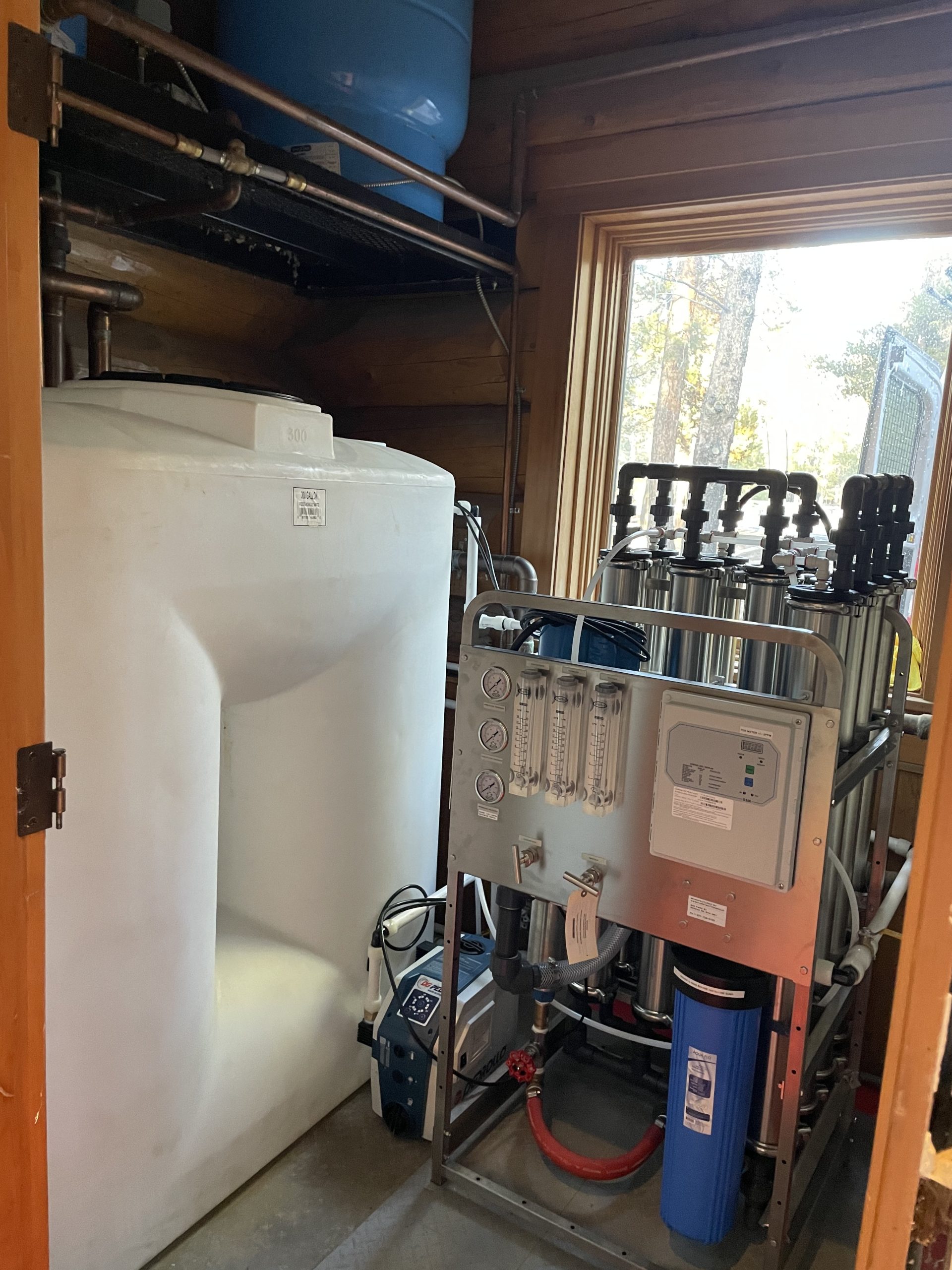
The major components are the UV lamp, quartz sleeve, reactor chamber, control unit, and pre-filter. Each one plays a critical role in removing contaminants and sanitizing water.
The Heart: UV Lamp & Sleeve
The heart: UV lamp & sleeve
The UV lamp is the core of the system. It produces UV-C light that disrupts germs and pathogens’ ability to reproduce and cause infection. A high-purity clear quartz sleeve surrounds the lamp and protects it from contact with water.
We’ve engineered this sleeve to eliminate any loss from the light shining through. Lamp quality is important—a high-quality lamp will provide you with more effective and consistent disinfection. Due to the lamp’s gradual strength diminishment, most should be changed out every 9–12 months.
Other systems include an audible alarm or indicator light that signals when it’s time for a change, keeping you one step ahead and everything running smoothly. Cleaning the sleeve on a regular basis is important too, since build-up will prevent UV rays from penetrating.
The Body: Reactor Chamber
The Body: Reactor Chamber
The reactor chamber is where the lamp and sleeve are housed, and it directs water through to be treated. Its internal configuration and surface area determine how long water is exposed to UV light.
For Oregon residences, where water frequently has sediment, a 5-micron pre-filter is essential. This prevents the chamber from clogging up and ensures that the UV light is effective.
Inadequate UV Exposure When flow rates are high, water may not get adequate exposure to UV. So, pick a chamber that works for your home’s parameters!
The Brain: Control Unit & Alerts
The control unit is responsible for power, timing, and safety controls. Most models come with digital alerts or indicator lights to give you readouts on lamp life and alert you when maintenance is required.
This component acts as the system’s brain, which makes maintenance more of a known than an unknown. Understanding how to read and reset these advanced controls will result in less surprises and increased peace of mind.
Why Quality Parts Matter Here
Reliable, durable parts mean less maintenance and longer service life. Better materials from trusted brands result in fewer breakdowns and lower overall costs in the long run.
They are important for public safety, as they ensure that the water system operates consistently and correctly. Don’t short yourself on parts, creating more headache and dirty water.
UV Water: The Good & The Not-So-Good
For residential water treatment, UV water treatment systems shine as an effective, chemical-free solution to help protect your home’s water supply. It’s as or more popular than it sounds in Oregon and other states where people prioritize public health and an eco-friendly future. Understanding both the benefits and drawbacks allows consumers to make the most informed decision for their household.
Big Benefits: Safe, Tasteless Water
They operate continuously to inactivate 99.99% of bacteria, viruses, and protozoa. Chlorine treatment increases chemical composition, while UV treatment does not. This allows your water to keep its natural taste and smell—no bleachy aftertaste or funky smell!
Clean, great-tasting water. Big Benefits. None of Oregon’s water drinkers complain about their UV-treated water tasting bad—it tastes exactly how safe water should. The process is straightforward and fast, providing microbiologically safe water on demand, directly from the tap.
Because there are no chemicals being used on an ongoing basis, UV systems have a low environmental impact. They require very low energy consumption—roughly equivalent to a typical 40-watt incandescent bulb—which is an important factor in keeping operational costs low.
Key Limits: What UV Won’t Do
UV doesn’t reduce heavy metals, pesticides, or medicine residues. It will not remove cause cloudy water to become clear or remove silt or sediment such as dirt and sand. When water is dirty or cloudy, the UV light cannot do its job effectively and therefore a pre-filter will be required in most cases.
This requires regular cleaning of the UV sleeve and yearly lamp replacements. If your home uses well water or if your home faces multiple complicated water challenges, additional filtration and routine laboratory testing are always advisable.
UV vs. Chlorine: A Quick Look
UV kills germs quicker and doesn’t create byproducts, as chlorine does, which can produce compounds such as trihalomethanes. Chlorine alters water’s taste and is more harmful to the environment. Unlike chlorine, which remains in distribution pipes, UV does not provide long-term protection.
UV vs. Filters: Different Jobs
Filters remove dirt and grit. UV treatment only targets pathogens. This is the combo we often recommend for Oregon homes, using filters upfront, then UV, giving you the complete solution.
The trick is understanding your water’s needs before you choose a system.
Maximize UV: Prep Your Water
Much of the effort of maximizing a UV water treatment system begins with preparing your water. UV systems perform their most effective when the water is clear, void of turbidity and particulates. In Oregon residences, water can collect fine soil, organic stuff, or even specks of rust from old pipes.
These can all effectively block UV rays. With proper prep, UV is able to penetrate those germs and kill them more effectively—and your system will run more efficiently and longer with less hassle.
Clear Water Is Crucial
To maximize UV treatment, water should be clear. When water is turbid or cloudy, UV rays aren’t able to penetrate. Dirt, sand, or even small pieces of plants can cause big problems.
That’s why a pre-filter that catches particles as small as five microns is critical. Even simple sand filters remove most of the grit. When water gets tested and it comes back with low turbidity, UV passes through.
That way more germs get zapped—so you have safer water at every tap.
Sediment Filters: UV’s Best Friend
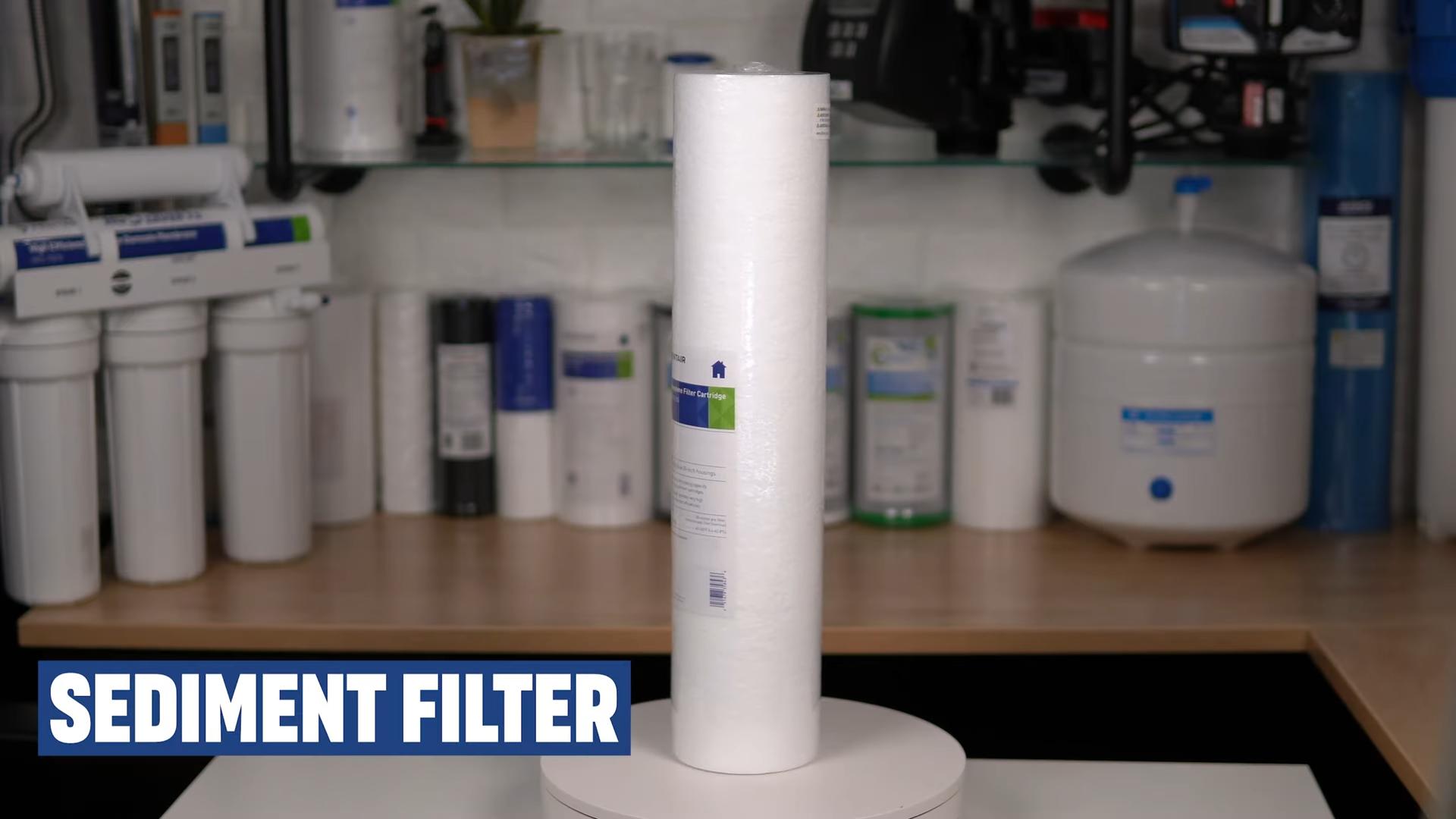
Sediment filters catch the rough stuff first before it can reach the UV treatment unit. They filter out sand, silt, and rust, which allows the UV lamp to work more efficiently and extends its life.
When these filters become clogged, the entire system backs up. So, just be sure to clean or replace them frequently. This maintenance step prevents buildup from reducing your UV sleeve transparency, which you would want to wipe down every 6 months or so.
A properly cleaned sleeve allows the 254-nanometer UV light to effectively do its job.
Carbon Filters: For Taste & Odor
Carbon filters remove chlorine and other chemicals, which UV does not do. These filters aren’t going to battle germs, but they will make your water more pleasant to drink.
When you use both carbon and sediment filters, you get clean, clear, fresh-tasting water.
Hard Water & UV Systems
Hard water, which is loaded with minerals, can cause dangerous scale deposits on the UV sleeve and lamp. This film reduces the effectiveness of UV and decreases the life of the lamp.
Pretreating hard water with a water softener before it reaches your UV system prevents scale from building up. That extends lamp life and reduces the need for cleaning.
Picking Your Perfect UV System
Selecting the right UV water treatment system for residential applications requires consideration of your home’s unique needs and water supply. To determine the best UV system for you, consider your water flow rate and the number of people in your home. For example, a family with three bathrooms would have a much higher water flow.
They may require a model that is capable of treating up to 15 or 20 GPM. As a rule of thumb, smaller homes will typically be fine with a 10 GPM system.
How to start your inquiry: Searching your local water supplier’s Consumer Confidence Report (CCR) is a good first step. It’s a great way to get educated on the state of your local water. This allows for more precise targeting of your system to the contaminants of concern.
Right Size For Your Home
Sizing a UV system is all about understanding daily water usage and peak flow. Take an inventory of your bathrooms as each one increases the load. A home that showers often or uses a lot of water at the same time requires a system with increased capacity.
Manufacturers have easily read specs—making sure to read these helps prevent installing undersized units that are unable to handle peak loads. Choosing the correct size allows the system to avoid being overwhelmed and ensures it will activate at close to 100% reliability.
Check For NSF Certification
NSF certification is your assurance that the system has met rigorous national safety standards. Certified models are rigorously tested for performance and construction. With certification comes peace of mind.
You understand that the system is designed for longevity, even in locations with 70% ambient humidity!
Install & Maintain Smartly
Install UV systems where they best suit your plumbing layout and avoid any wet environments. Refer to the manufacturer’s instructions for equipment installation and lamp replacement. Regularly clean the UV sleeve and pay attention to alerts for lamp replacement—most lamps have a useful life of 1,000 hours or so.
Getting a professional checkup at least once a year can help catch any potential problems before they escalate.
Well Water vs. City Water UV
While well water is more prone to bacteria exposure, city water may be subjected to chlorine or sediment.
UV Test your water before you decide on a system. UV units are effective for both types, but some require additional pre-filtration to remove sediment. Chemical free UV is a convenient, environmentally friendly method to keep your water safe.
Conclusion
UV water treatment provides you as direct-of-an-solution-as-there-is to obtain safe water right at home. When configured properly, it zaps away the things you don’t want, like germs and critters. It does all this without imparting any strange taste or odor! People in Oregon with wells understand that sometimes well water can be a wild card. Here comes a UV system to the rescue to make it easy! Replace old lamps, clean the quartz sleeve, and stay on top of filter replacement cycles. Experiment with different brands, find what works best for your space and budget. From the crisp, clear taste of water from a cold mountain creek, you want every sip to be as fresh and clean as the last. Want to stop stressing and start sipping safely? Consider a UV water treatment system for home use and stay safe.
Frequently Asked Questions
What is a UV water treatment system for home use?
What is a UV water treatment system for home use? This process will give you peace of mind that your tap or well water is safe to drink.
Does UV water purification remove chemicals or heavy metals?
Does UV water purification remove chemicals or heavy metals? They cannot be relied on to remove chemicals, heavy metals or sediments. You’ll require additional pre-filters to provide complete protection.
Is a UV water purification system safe for Oregon homes?
Yes. UV systems are safe, efficient answers for homes across Oregon. They are particularly useful for private wells and rural water supplies that are susceptible to microbial contamination.
How often should I replace the UV lamp?
Best practice is to replace your UV lamp every 12 months. Even if it still turns on, the lamp is no longer effective.
Can UV systems work with cloudy or dirty water?
No. UV systems don’t treat cloudy or dirty water very well. Install a sediment pre-filter. Sediment filters can remove particles ahead of the point of water entering the UV filter.
Do UV water purifiers change the taste of my water?
No. However, UV systems do not change the taste, odor, or color of your water. They don’t affect any of the water’s other constituents. They only kill microorganisms.
What size UV system do I need for my home?
It’s all based on your household’s water flow rate, which is measured in gallons per minute (GPM). Measure your plumbing’s maximum demand and select a UV unit that is rated to cover that amount.