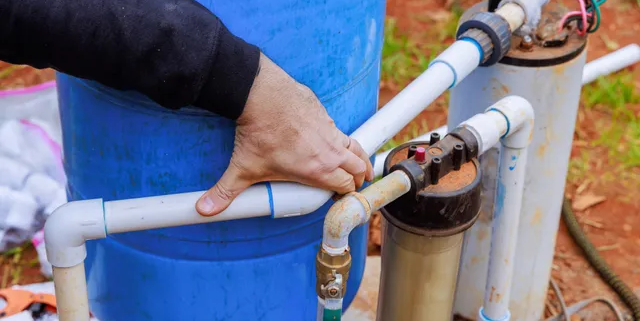
Does a UV Water Treatment System Really Work?
A UV water treatment system eliminates 99.99% of harmful microorganisms without chemicals, protecting your family’s health. Discover how ultraviolet technology purifies well water effectively and safely.
For professional UV water treatment system installation in Eugene, contact Shawn Turner at Alpine Pump Inc. by calling 541-424-2243 for expert water purification solutions.
How Does UV Water Purification Technology Actually Work?
Ultraviolet disinfection harnesses specific light wavelengths destroying microbial DNA. UV-C radiation at 254 nanometers penetrates bacterial cell walls, preventing reproduction and eliminating infection risks.
Water flows through a stainless steel chamber containing a UV lamp emitting germicidal light. Exposure time typically lasts just seconds, yet effectively neutralizes pathogens.
Chemical-Free Treatment Process
The process involves no chemical additives or filtration media requiring replacement. Unlike chlorination or ozonation, UV treatment leaves no taste, odor, or harmful byproducts in treated water.
According to the Centers for Disease Control and Prevention{:target=”_blank”}, UV disinfection effectively inactivates most waterborne pathogens when properly designed and maintained. Professional installation ensures optimal performance protecting household health.
Call Shawn at 541-424-2243 for professional UV systems.

Essential System Components
Key components include:
- Mercury or amalgam UV lamp producing germicidal wavelengths
- Quartz sleeve protecting lamp from water contact
- Reactor chamber ensuring adequate exposure time
- Ballast regulating electrical current to lamp
- Monitoring system tracking lamp performance
Each component plays a critical role in maintaining effective water disinfection. Proper integration ensures reliable pathogen elimination throughout system lifespan.
Understanding UV Lamp Intensity and Dosage
Lamp output measured in watts determines treatment effectiveness. Residential systems typically use 15-40 watt lamps depending on flow requirements.
Higher wattage provides greater intensity treating larger water volumes effectively. Furthermore, lamp age affects output strength requiring annual replacement maintaining proper disinfection levels.
Dosage represents the UV intensity multiplied by exposure duration. Measured in millijoule-seconds per square centimeter (mJ/cm²), proper dosage ensures complete pathogen destruction.
Most residential UV water treatment systems deliver 30-40 mJ/cm² exceeding EPA recommendations for drinking water disinfection. Adequate dosage guarantees safe water regardless of contamination levels.

Water Quality Requirements for Optimal Performance
UV effectiveness depends heavily on water clarity and mineral content. Turbidity, iron, manganese, and hardness reduce UV light penetration limiting disinfection capability.
Consequently, pre-filtration often becomes necessary removing particles and dissolved minerals before UV exposure. Water testing identifies specific quality issues requiring correction.
Iron concentrations exceeding 0.3 parts per million interfere with UV transmission. Similarly, hardness above 120 parts per million causes mineral scaling on quartz sleeves.
Homeowners in Eugene considering UV water treatment systems should test source water ensuring compatibility with ultraviolet technology. Professional water analysis determines necessary pre-treatment requirements.
Call Shawn at 541-424-2243 for professional UV systems.
What Contaminants Do UV Systems Remove From Well Water?
UV technology excels at eliminating biological contaminants threatening public health. Bacteria including E. coli, Salmonella, and Legionella succumb to proper UV exposure.
Viruses such as hepatitis A, norovirus, and rotavirus also perish under germicidal radiation. Additionally, parasitic cysts like Giardia and Cryptosporidium lose viability after UV treatment.
Chemical Contaminant Limitations
However, UV systems cannot remove chemical contaminants, heavy metals, or dissolved solids. Pesticides, nitrates, arsenic, and lead pass through UV chambers unchanged.
Therefore, comprehensive water testing determines whether additional treatment methods supplement UV disinfection effectively. Many Eugene homeowners combine UV purification with carbon filtration or reverse osmosis addressing multiple contamination concerns.
Microorganism Destruction Effectiveness
Research demonstrates UV systems achieving 99.99% reduction in bacterial populations. Coliform bacteria, common indicators of fecal contamination, disappear virtually completely after proper UV exposure.
Virus inactivation rates similarly exceed 99.9% when systems operate correctly. Moreover, protozoan cysts require higher UV doses yet still achieve effective destruction.
Different microorganisms exhibit varying UV sensitivity levels. Bacteria prove most susceptible requiring lowest doses for complete inactivation.
Viruses demonstrate moderate resistance needing slightly higher exposure. Parasitic cysts show greatest resistance requiring maximum UV intensity and exposure duration.
Call Shawn at 541-424-2243 for professional UV systems.

Chemical and Physical Contaminant Limitations
UV technology provides zero reduction in dissolved minerals, salts, or chemical pollutants. Water hardness, chloride content, and pH remain unchanged after UV treatment.
Pesticide residues, pharmaceutical compounds, and industrial chemicals require different treatment approaches. Consequently, homeowners must address these issues through complementary filtration technologies.
Sediment, sand, and particulate matter also escape UV neutralization. These physical contaminants reduce system effectiveness by blocking UV light transmission.
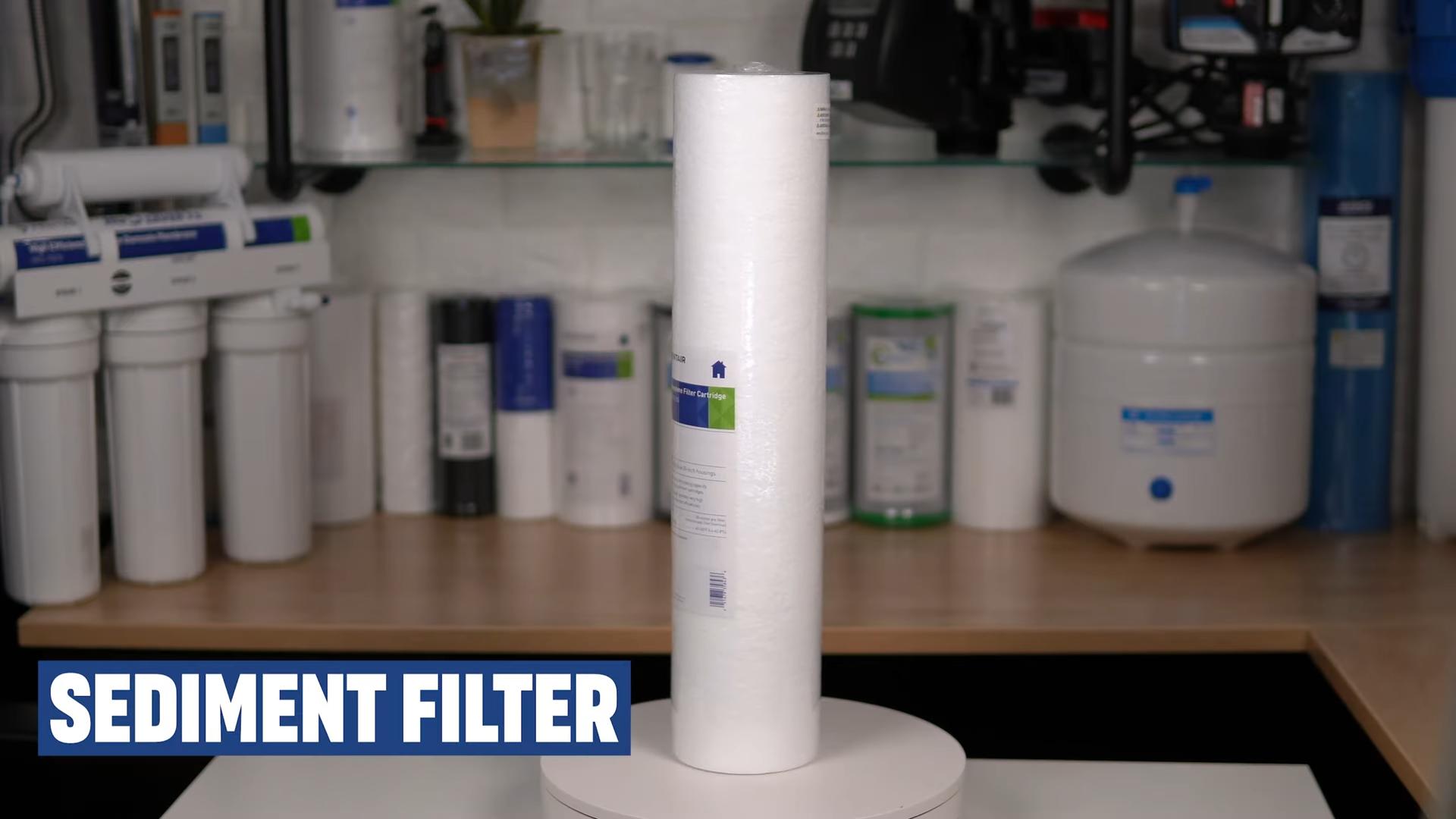
Pre-filtration using sediment filters or whole-house filtration systems protects UV equipment while improving overall water quality. Professional water filtration system installation addresses both biological and chemical contamination comprehensively.
Contact our water purification specialists to design a comprehensive treatment system addressing your specific well water quality concerns in Eugene.

How Reliable Are UV Water Treatment Systems for Daily Use?
Modern UV systems demonstrate exceptional reliability when properly installed and maintained. Solid-state ballasts replacing older magnetic versions improve lamp lifespan and electrical efficiency.
Monitoring systems alert homeowners when lamp replacement becomes necessary preventing treatment failures. Additionally, flow sensors ensure adequate contact time regardless of water usage patterns.
Maintenance and Lamp Life
Lamp life typically ranges 9,000-13,000 hours equivalent to approximately one year of continuous operation. Annual lamp replacement maintains optimal germicidal output protecting household health consistently.
Unlike filtration systems requiring frequent media changes, UV maintenance involves primarily lamp replacement and occasional sleeve cleaning. Minimal maintenance requirements make UV systems ideal for busy homeowners.
Call Shawn at 541-424-2243 for professional UV systems.
Power Requirements and Backup Considerations
UV systems require continuous electricity maintaining disinfection capability. Power outages interrupt treatment allowing untreated water into household plumbing.
Consequently, homeowners should consider battery backup systems or generator connections ensuring uninterrupted protection. Alternatively, boil water advisories following extended outages provide temporary safety measures.
Electrical consumption remains minimal typically drawing 40-120 watts continuously. Annual operating costs average $50-150 for electricity and lamp replacement combined.
Compared to bottled water expenses or waterborne illness treatment, UV systems offer exceptional value. Eugene residents installing UV water treatment systems benefit from reliable purification at reasonable operational costs.
Installation and Integration Considerations
Professional installation ensures proper sizing, placement, and integration with existing plumbing systems. UV units mount after pressure tanks, sediment filters, and softeners but before household distribution.
Adequate clearance allows lamp replacement without disconnecting plumbing. Furthermore, bypass valves permit system maintenance without interrupting household water supply.
Flow rate matching between pump capacity and UV system prevents treatment failures. Oversized pumps exceeding UV capacity reduce contact time compromising disinfection effectiveness.
Conversely, undersized systems restrict flow reducing household water pressure. Proper system design balances flow requirements with treatment capacity ensuring both performance and convenience.
Are UV Systems Worth the Investment for Private Wells?
Private well owners face unique contamination risks absent from municipal water supplies. Surface water infiltration introduces bacteria during heavy rainfall or flooding events.
Aging well casings allow shallow groundwater containing pathogens entering water supplies. Additionally, nearby septic systems occasionally leak contaminating aquifers with dangerous microorganisms.

System Costs and Operating Expenses
Investment costs for residential UV water treatment systems range $400-1,500 depending on capacity and features. Professional installation adds $200-500 ensuring proper integration and performance.
Annual operating expenses including lamp replacement and electricity total approximately $100-200. Compared to waterborne illness medical costs or bottled water purchases, UV systems provide economical long-term protection.
Call Shawn at 541-424-2243 for professional UV systems.
Health Protection Value
Preventing waterborne diseases offers immeasurable value protecting family health and wellbeing. Bacterial gastroenteritis causes severe dehydration requiring emergency medical treatment.
Viral infections spread rapidly through households affecting multiple family members simultaneously. Parasitic infections produce chronic symptoms persisting months without proper treatment.
Children, elderly individuals, and immunocompromised family members face greatest risks from contaminated water. UV disinfection provides invisible yet continuous protection against these threats.
Moreover, peace of mind knowing water remains safe regardless of environmental conditions justifies system investment. Eugene homeowners relying on private wells gain confidence from professional UV water treatment system installation.
Property Value Enhancement
Home buyers increasingly prioritize water quality when evaluating rural properties. Modern water treatment systems signal proper property maintenance and owner diligence.
Documented water testing results combined with UV disinfection systems address buyer concerns about well water safety. Consequently, treatment system investments often return value during property sales.
Real estate transactions involving private wells require water quality testing under Oregon regulations. Buyers discovering contamination issues frequently request price reductions or demand treatment system installations.
Proactive UV system installation eliminates these negotiation obstacles while demonstrating property quality. Professional well pump and water treatment services enhance both property functionality and marketability.
Call Shawn at 541-424-2243 for professional UV systems.
What Maintenance Do UV Water Treatment Systems Require?
Annual lamp replacement represents primary maintenance ensuring continued disinfection effectiveness. UV output gradually decreases over operational life eventually falling below effective treatment levels.
Manufacturers recommend replacement after 12 months regardless of lamp appearance or continued illumination. Marking installation dates on calendars prevents accidental lamp expiration.
Quartz Sleeve Cleaning
Quartz sleeve cleaning maintains optimal UV transmission through accumulated mineral deposits. Hardness minerals, iron staining, and organic matter coat sleeves reducing light penetration.
Annual cleaning during lamp replacement restores full UV intensity. Specialized cleaning solutions or mild acid washes remove stubborn deposits without damaging quartz surfaces.
Monitoring System Calibration
Built-in sensors tracking UV intensity require periodic verification ensuring accurate readings. Sensor drift over time may indicate lamp failure when lamps still function adequately.
Conversely, failing sensors may show acceptable readings despite inadequate UV output. Professional service calls every 2-3 years calibrate sensors maintaining system reliability.
Visual inspection identifies physical damage, water leaks, or electrical connection problems. Checking reactor chamber for moisture indicates quartz sleeve cracks requiring immediate replacement.
Examining electrical connections prevents intermittent operation or complete system failures. Regular inspections catch minor issues before they compromise household water safety.
Call Shawn at 541-424-2243 for professional UV systems.

Pre-Filter Maintenance Requirements
Sediment filters protecting UV systems require more frequent attention than UV components themselves. Cartridge replacement intervals depend on water quality and household usage patterns.
Monitoring pressure differential across filters indicates when replacement becomes necessary. Neglecting pre-filter maintenance reduces UV system effectiveness while potentially damaging equipment.
Iron filters, water softeners, and other pre-treatment equipment need independent maintenance schedules. Coordinating multiple system maintenance tasks prevents service oversights and ensures comprehensive water treatment.
Creating annual maintenance calendars tracks all water treatment components keeping systems operating optimally. Professional constant pressure and filtration system service simplifies maintenance through scheduled inspections and reminders.
How Do UV Systems Compare to Other Water Treatment Methods?
Chemical disinfection using chlorine or chloramines effectively kills pathogens but introduces taste, odor, and health concerns. Chlorine byproducts formed during disinfection raise cancer risk according to some studies.
Chloramine affects aquarium fish and dialysis patients requiring special precautions. Conversely, UV treatment introduces zero chemicals leaving water taste and chemistry unchanged.
Reverse Osmosis Comparison
Reverse osmosis removes dissolved contaminants UV cannot address but wastes significant water volumes. RO systems typically reject 3-4 gallons for every gallon produced creating environmental and economic concerns.
Furthermore, RO removes beneficial minerals producing aggressive water potentially corroding plumbing. Combining UV disinfection with selective filtration provides comprehensive treatment without excessive waste.
Call Shawn at 541-424-2243 for professional UV systems.
Ozone Treatment Comparison
Ozone generators produce powerful oxidizing gas destroying microorganisms and breaking down chemical contaminants. However, ozone systems cost significantly more than UV units requiring complex equipment and professional maintenance.
Ozone gas proves dangerous if released into living spaces requiring careful system design. Additionally, residual ozone must dissipate before water reaches household fixtures.
UV systems offer simpler installation, lower costs, and safer operation than ozone alternatives. Homeowners maintain UV equipment easily without specialized knowledge or hazardous chemical handling.
Eugene residents seeking straightforward, effective disinfection find UV water treatment systems ideal for residential applications. Simplicity and reliability make UV technology the preferred choice.
Distillation and Boiling Alternatives
Boiling water effectively kills microorganisms but proves impractical for whole-house treatment applications. Energy costs heating all household water become prohibitive quickly.
Furthermore, boiling concentrates dissolved minerals rather than removing them potentially worsening water quality. Distillation faces similar energy consumption and capacity limitations.
Point-of-use UV systems treating only drinking water faucets offer compromise solutions. Smaller UV units consume less electricity while providing safe drinking and cooking water.
However, whole-house UV systems protect all water uses including showers, dishwashing, and laundry. Comprehensive protection prevents pathogen exposure through inhalation during showering or food preparation.
Share this essential information about UV water purification with neighbors concerned about well water safety and treatment options.
Call Shawn at 541-424-2243 for professional UV systems.
Key Takeaways
• UV water treatment systems eliminate 99.99% of bacteria, viruses, and parasites using germicidal light without introducing chemicals or changing water taste.
• Proper UV system effectiveness requires pre-filtration removing turbidity, iron, and hardness that reduce light transmission and disinfection capability.
• Annual lamp replacement and occasional quartz sleeve cleaning represent primary maintenance requirements maintaining optimal system performance and household protection.
• UV technology cannot remove chemical contaminants, heavy metals, or dissolved minerals requiring supplementary filtration methods for comprehensive water treatment.
• Professional installation ensures proper system sizing, integration, and flow rate matching preventing treatment failures while maintaining adequate household water pressure.
• Investment costs ranging $600-2,000 including installation provide economical long-term protection compared to bottled water expenses or waterborne illness treatment costs.
• Eugene homeowners combining UV disinfection with sediment filtration and selective treatment methods achieve comprehensive well water quality improvement addressing multiple contamination concerns.
Protect your family’s health with professional UV water treatment system installation—contact Alpine Pump Inc. today for comprehensive water testing, system design, and expert installation services throughout Eugene and Lane County.
Call Shawn at 541-424-2243 for professional UV systems.
Frequently Asked Questions About UV Water Treatment Systems
Q: How long do UV water treatment system lamps last before needing replacement?
A: UV lamps typically last 9,000-13,000 operational hours, approximately one year of continuous use. Manufacturers recommend annual replacement regardless of visible lamp condition because UV output gradually decreases below effective disinfection levels. Timely replacement ensures your UV water treatment system maintains 99.99% pathogen elimination rates protecting household health.
Q: Can a UV system remove chlorine or chemicals from well water?
A: No, UV water treatment systems only eliminate biological contaminants like bacteria, viruses, and parasites. Chemical pollutants including chlorine, pesticides, nitrates, and heavy metals pass through unchanged. Homeowners needing chemical removal should combine UV disinfection with activated carbon filters or reverse osmosis systems for comprehensive treatment.
Q: Do UV water treatment systems work during power outages?
A: UV systems require continuous electricity to operate, so power outages interrupt disinfection allowing untreated water into household plumbing. Battery backup systems or generators maintain protection during outages. Alternatively, implement boil water advisories following extended power losses.
Call Shawn at 541-424-2243 to discuss backup power solutions for uninterrupted water safety.
Q: What water quality problems prevent UV systems from working properly?
A: High turbidity, iron concentrations exceeding 0.3 ppm, manganese, and water hardness above 120 ppm reduce UV light penetration. These contaminants coat quartz sleeves or block UV transmission compromising disinfection effectiveness. Pre-filtration removing sediment, iron, and hardness ensures optimal UV water treatment system performance and reliable pathogen elimination.

Q: How much does it cost to operate a UV water treatment system annually?
A: Annual operating costs average $100-200 including electricity consumption and lamp replacement. UV systems typically draw 40-120 watts continuously costing $50-100 yearly in electricity. Adding annual lamp replacement at $50-100 provides total operational expenses. Compared to bottled water or waterborne illness treatment, UV water treatment systems offer exceptional value.
Q: Can UV systems treat water from lakes, rivers, or surface sources?
A: UV technology effectively disinfects surface water when combined with proper pre-filtration removing sediment and organic matter. Surface sources typically contain higher turbidity requiring multi-stage filtration before UV exposure. Sediment filters, carbon filtration, and UV disinfection together provide comprehensive treatment. Professional assessment determines necessary pre-treatment for specific water sources.
Q: Where should a UV water treatment system be installed in home plumbing?
A: UV units install after pressure tanks, sediment filters, water softeners, and other pre-treatment equipment but before household water distribution. Mounting after filtration ensures clean water reaches the UV chamber maximizing effectiveness. Installation before distribution points protects all household water uses. Adequate clearance allows easy lamp replacement without disconnecting plumbing.
Q: Will a UV system affect water taste, odor, or pH levels?
A: UV water treatment systems introduce zero chemicals leaving water taste, odor, and chemistry completely unchanged. Unlike chlorination adding chemical flavors or reverse osmosis removing beneficial minerals, UV disinfection only affects microorganisms. Water pH, mineral content, and taste remain identical pre- and post-treatment providing safe water without quality alterations.
Q: How do I know if my UV water treatment system is working correctly?
A: Most systems include monitoring lights or digital displays showing lamp status and UV intensity. Green indicator lights confirm proper operation while red lights signal lamp replacement needs. Annual professional inspections verify UV output meets disinfection standards and calibrate monitoring sensors. Water testing before and after UV installation confirms pathogen elimination.
Call Shawn at 541-424-2243 for professional UV system testing and calibration services.