Water Filtration Installations
When it comes to water filtration systems, I understand that coastal well water often presents unique challenges including sand infiltration, iron bacteria, saltwater intrusion, and other contaminants that affect water quality and taste. A properly designed water filtration system addresses these specific issues while providing clean, safe drinking water that meets your family’s needs and preferences.
Living in Florence, well water quality can vary significantly based on well depth, proximity to the ocean, and local geology. These factors create water quality challenges that require specialized filtration approaches to ensure your family enjoys safe, great-tasting water from every tap in your home.
Understanding Water Quality Issues in Florence
Florence area well water commonly contains iron, manganese, and hydrogen sulfide that create taste, odor, and staining problems. These naturally occurring minerals require specific filtration technologies to remove effectively while maintaining beneficial mineral content.
Sand infiltration from coastal geology affects water clarity and can damage plumbing fixtures and appliances. Proper filtration removes sediment while protecting your water system from abrasive damage that reduces equipment life.
Saltwater intrusion in some coastal wells introduces chloride and sodium that affect taste and may pose health concerns for individuals on sodium-restricted diets. Specialized treatment systems address saltwater contamination while providing safe drinking water.
Bacterial and Biological Contamination
Iron bacteria thrive in Florence area wells, creating biofilm, taste problems, and equipment clogging. These organisms require specialized treatment including shock chlorination and ongoing disinfection to eliminate effectively.
Coliform bacteria can enter wells through various pathways and pose serious health risks. Proper disinfection systems including UV sterilization or chlorination eliminate bacterial contamination while maintaining water safety.
Hydrogen sulfide producing bacteria create the characteristic “rotten egg” odor in some well water. Treatment systems address both the bacteria and the hydrogen sulfide gas they produce, eliminating odor while improving water quality.
Concerned about water quality in Florence, Oregon? Call Shawn Turner at Alpine Pumps for professional water testing and filtration solutions: (541) 424-2243
Types of Water Filtration Systems
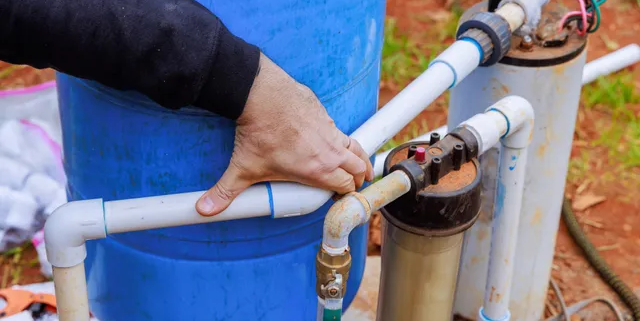
Whole house filtration systems treat all water entering your home, providing filtered water at every tap and protecting plumbing and appliances from contaminant damage. These systems handle high flow rates while removing multiple contaminants simultaneously.
Point-of-use systems including under-sink filters and countertop units provide high-quality drinking water at specific locations. These systems often use advanced technologies like reverse osmosis for maximum contaminant removal.
Specialty treatment systems address specific water quality issues including iron removal, hydrogen sulfide treatment, or saltwater intrusion. These targeted systems work alone or in combination with other filtration technologies.
Multi-Stage Filtration Systems
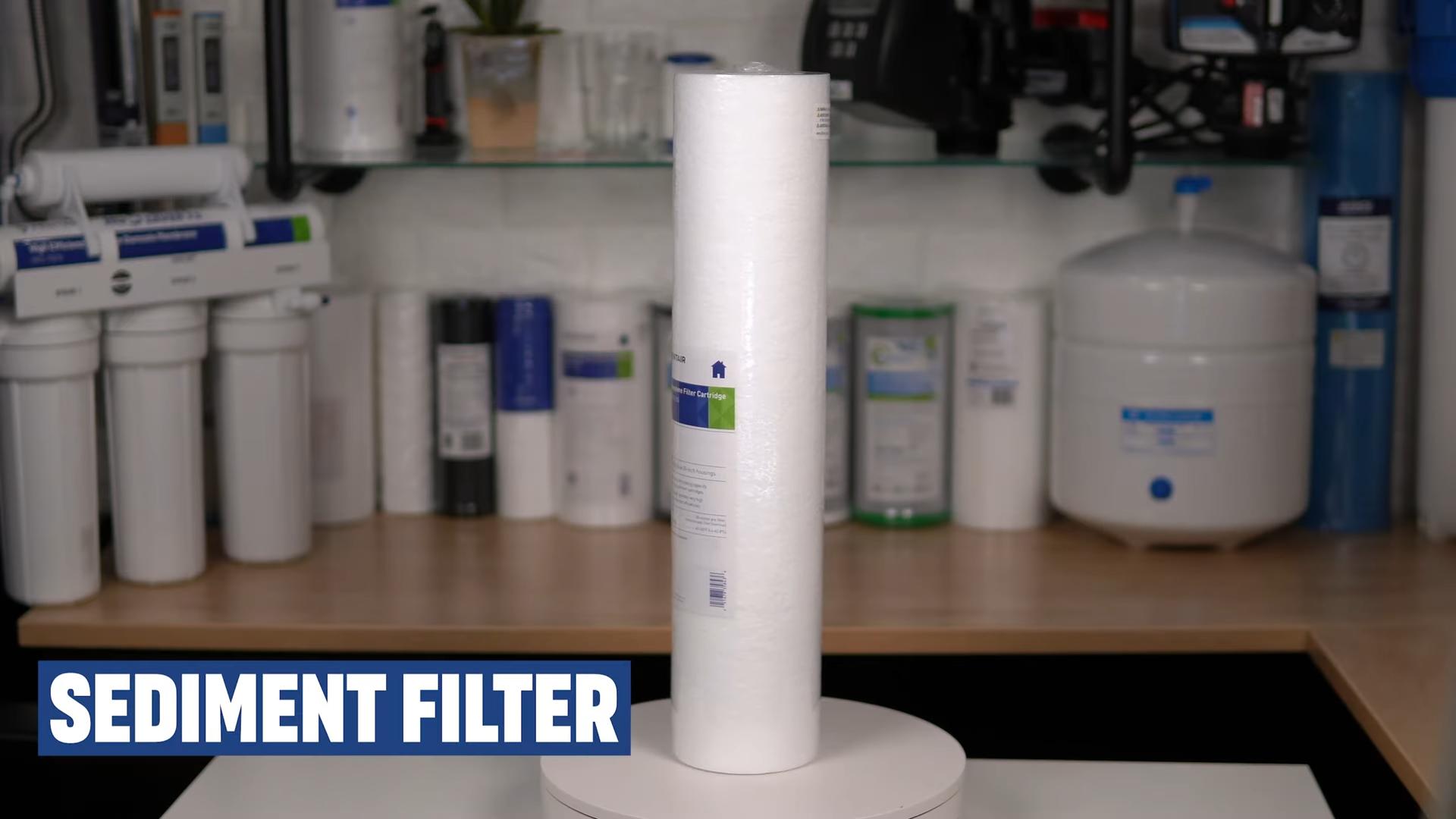
Sediment filtration removes sand, silt, and particulate matter that affects water clarity and can damage equipment. Pre-filtration protects downstream components while improving water appearance and taste.
Carbon filtration removes chlorine, organic compounds, and many chemicals that affect taste and odor. Activated carbon provides excellent contaminant removal while maintaining good flow rates for whole-house applications.
Advanced filtration including reverse osmosis removes dissolved minerals, heavy metals, and microscopic contaminants. These systems provide the highest level of water purification for drinking water applications.
Reverse Osmosis Systems
Reverse osmosis technology removes up to 99% of dissolved contaminants including heavy metals, nitrates, fluoride, and total dissolved solids. These systems provide exceptional water purity for drinking and cooking applications.
Multi-stage RO systems include pre-filtration, membrane filtration, and post-filtration that optimize performance while extending membrane life. Proper system design ensures reliable operation with minimal maintenance requirements.
Storage tank systems provide filtered water on demand while minimizing membrane wear from frequent cycling. Pressurized storage tanks ensure adequate flow rates during peak demand periods.
RO System Components and Maintenance
Pre-filters protect RO membranes from sediment and chlorine damage that could reduce membrane life or performance. Regular pre-filter replacement ensures optimal membrane protection and system performance.
RO membranes require periodic replacement based on water usage and quality. Membrane replacement schedules depend on feed water quality and system usage patterns, typically ranging from 2-5 years.
Post-filters including carbon polishing filters improve taste and remove any residual odors from RO water. These final-stage filters ensure optimal water quality and taste.
Ready for clean, pure drinking water in Florence, Oregon? Contact Alpine Pumps for professional reverse osmosis system installation: (541) 424-2243
Iron and Manganese Removal
Iron removal systems address the reddish-brown staining and metallic taste caused by dissolved iron in well water. Different iron forms require specific treatment approaches for effective removal.
Oxidation systems convert dissolved iron to particles that can be filtered out. These systems use air injection, chlorination, or other oxidants to make iron filterable.
Manganese removal prevents black staining and bitter taste caused by manganese contamination. Manganese often occurs with iron and requires similar oxidation and filtration treatment.
Specialized Iron Treatment
Greensand filters use manganese-treated sand media that oxidizes and filters iron and manganese simultaneously. These systems provide effective treatment with automatic regeneration cycles.
Air injection systems oxidize iron using compressed air, providing chemical-free iron treatment. These systems work well for moderate iron levels without adding chemicals to water.
Chemical feed systems use chlorine or other oxidants for severe iron problems or iron bacteria contamination. These systems provide powerful oxidation for challenging water conditions.
Hydrogen Sulfide Treatment
Hydrogen sulfide creates the characteristic “rotten egg” odor in some well water and requires specific treatment technologies for effective removal. Treatment options range from simple aeration to advanced oxidation systems.
Aeration systems remove hydrogen sulfide gas by exposing water to air, allowing the gas to escape. These systems work well for moderate hydrogen sulfide levels without adding chemicals.
Oxidation systems convert hydrogen sulfide to sulfur particles that can be filtered out. These systems handle higher hydrogen sulfide levels while providing complete odor elimination.
Advanced H2S Treatment
Carbon filtration designed for hydrogen sulfide provides effective treatment for low to moderate levels. Specialized carbon media offers extended life and better performance than standard carbon.
Chlorination systems oxidize hydrogen sulfide while providing disinfection benefits. These systems require careful control to avoid over-chlorination while maintaining treatment effectiveness.
UV Water Sterilization
Ultraviolet sterilization systems eliminate bacteria, viruses, and other microorganisms without adding chemicals to water. UV treatment provides effective disinfection while maintaining water taste and mineral content.
UV lamp systems require clear water for effective treatment, often requiring pre-filtration to remove turbidity or iron that could shield microorganisms from UV exposure.
Automatic monitoring systems ensure proper UV output and alert homeowners when lamp replacement is needed. These systems provide reliable disinfection with minimal maintenance requirements.
UV System Design and Installation
Flow rate sizing ensures adequate UV exposure time for effective disinfection. Proper sizing prevents under-treatment that could allow microorganism survival.
Pre-treatment requirements include sediment and iron removal that ensure clear water for UV effectiveness. Pre-treatment system design affects overall treatment effectiveness and maintenance requirements.
Maintenance schedules include annual lamp replacement and periodic quartz sleeve cleaning. Proper maintenance ensures continued disinfection effectiveness and system reliability.
Water Testing and Analysis
Comprehensive water testing identifies specific contaminants and determines appropriate treatment technologies. Professional testing ensures accurate results and proper treatment system selection.
Bacterial testing identifies coliform bacteria and other microorganisms that pose health risks. Bacterial contamination requires immediate attention and appropriate disinfection treatment.
Chemical analysis determines mineral content, pH levels, and presence of specific contaminants that affect treatment system selection. Complete analysis guides proper system design and ensures effective treatment.
Ongoing Water Quality Monitoring
Annual testing verifies continued water quality and treatment system effectiveness. Regular testing identifies changes in water quality that might require treatment adjustments.
Treatment system performance monitoring ensures filters and treatment media continue operating effectively. Performance monitoring guides maintenance schedules and component replacement timing.
Professional Installation Services
Professional installation ensures optimal filtration system performance while meeting plumbing codes and manufacturer requirements. Proper installation prevents leaks, maintains warranties, and ensures reliable operation.
System integration connects filtration equipment with existing plumbing while maintaining adequate pressure and flow throughout your home. Professional installation ensures seamless operation with existing systems.
Startup procedures include system commissioning, performance testing, and customer education about proper operation and maintenance. Thorough startup ensures optimal performance from the beginning.
Plumbing and Electrical Requirements
Plumbing modifications include drain connections, bypass valving, and pressure regulation that ensure proper system operation. Professional plumbing ensures code compliance and reliable performance.
Electrical installation includes UV systems, control panels, and monitoring equipment that require proper electrical connections. Electrical work must meet safety codes and manufacturer specifications.
System controls include automatic backwashing, regeneration cycles, and monitoring systems that ensure optimal performance with minimal user intervention.
Need professional water filtration system installation in Florence, Oregon? Alpine Pumps provides complete installation and startup services: (541) 424-2243
Maintenance and System Care
Regular maintenance ensures continued optimal performance while extending system life and maintaining water quality. Maintenance schedules vary by system type and local water conditions.
Filter replacement schedules depend on water usage, quality, and filter type. Regular replacement maintains treatment effectiveness while preventing breakthrough that could affect water quality.
System sanitization including periodic chlorination or UV lamp replacement maintains disinfection effectiveness. Proper maintenance prevents bacterial growth in treatment systems.
Performance Optimization
Flow rate monitoring ensures systems continue providing adequate water flow during peak demand periods. Flow optimization prevents pressure drops that affect user satisfaction.
Treatment effectiveness monitoring verifies continued contaminant removal and water quality improvement. Performance testing guides maintenance schedules and identifies needed adjustments.
Energy efficiency optimization reduces operating costs while maintaining treatment effectiveness. Efficient operation provides cost savings throughout system life.
Cost Considerations and Value
Initial system costs vary based on treatment requirements, system capacity, and installation complexity. Professional assessment determines the most cost-effective approach for your specific water quality needs.
Operating costs include filter replacements, electricity, and periodic maintenance. Well-designed systems minimize operating costs while maintaining excellent performance.
Long-term value includes improved water quality, equipment protection, and reduced bottled water costs. Quality filtration systems often recover costs through eliminated bottled water purchases and appliance protection.
Return on Investment
Health benefits from clean drinking water provide value beyond monetary considerations. Quality filtration systems ensure safe water while improving taste and reducing health concerns.
Equipment protection from filtered water extends appliance life and reduces maintenance costs. Filtered water prevents scale buildup and corrosion that damage water heaters, dishwashers, and other equipment.
Property value enhancement from whole-house filtration systems appeals to potential buyers concerned about water quality. Quality water treatment systems often increase home marketability and value.
Environmental Benefits
Reduced plastic waste from eliminated bottled water purchases supports environmental conservation efforts. Whole-house filtration systems dramatically reduce plastic bottle consumption and disposal.
Energy efficiency of modern filtration systems minimizes environmental impact while providing excellent treatment. Efficient systems reduce electricity consumption compared to older treatment technologies.
Chemical reduction through proper filtration eliminates the need for water treatment chemicals while providing safe drinking water. Natural treatment processes provide environmental benefits over chemical treatment approaches.
Sustainable Water Management
Local water resource protection through proper well maintenance and treatment supports community water quality. Responsible water use and treatment protect groundwater resources for future generations.
Reduced environmental impact from eliminated water transportation and packaging supports sustainability goals. Local water treatment reduces the environmental costs of bottled water production and distribution.
System Selection Guidance
Water quality assessment determines specific treatment needs and appropriate system types. Professional evaluation ensures proper system selection for your unique water conditions and usage requirements.
Capacity requirements based on household size and usage patterns ensure adequate treated water during peak demand periods. Proper sizing prevents flow restrictions while minimizing system costs.
Budget considerations balance initial costs with long-term operating expenses and benefits. Professional guidance helps optimize system selection for both performance and cost effectiveness.
Link to EPA’s drinking water information (https://www.epa.gov/ground-water-and-drinking-water)
Technology Comparison
Treatment effectiveness comparison helps select the best technology for specific contaminants and water conditions. Different technologies excel at removing different contaminants, requiring careful selection.
Maintenance requirements vary significantly between different treatment technologies. Understanding maintenance needs helps select systems that match your preferences and capabilities.
Why Choose Alpine Pumps for Water Filtration
My 30-plus years of experience serving Florence and Lane County provides unique expertise in coastal water quality issues and the most effective treatment solutions for our specific conditions. I’ve installed hundreds of filtration systems and understand which approaches work best for different water quality challenges.
Local knowledge includes familiarity with Florence area water quality problems, seasonal variations, and the most reliable equipment for our coastal environment. This expertise ensures optimal system selection and installation for your specific needs.
Complete Water Quality Solutions
When you choose Alpine Pumps for water filtration systems, you receive comprehensive service from initial water testing through ongoing maintenance. I handle system selection, installation, and long-term support to ensure your filtration system provides years of clean, safe water.
My commitment to customer satisfaction includes thorough water testing, system performance verification, and customer education about proper operation and maintenance. I stand behind every installation with comprehensive warranties and ongoing service support.
Experience clean, safe water with professional filtration systems in Florence, Oregon.
Call Shawn Turner at Alpine Pumps today for water testing and system consultation: (541) 424-2243