Water Softener Installation
When it comes to water softener installation, I understand the frustration that hard water causes through scale buildup, soap scum, dry skin, and reduced appliance efficiency. A properly installed water softener system eliminates these problems by removing calcium and magnesium minerals that create water hardness, providing you with soft water that protects your plumbing, improves cleaning effectiveness, and enhances your daily comfort.
Living in Springfield, many homes experience moderate to severe water hardness due to our local geology and water sources. Hard water not only affects your comfort but also increases maintenance costs and reduces the lifespan of water-using appliances, making water softener installation a valuable investment for most homeowners.
As the owner of Alpine Pumps, I’m Shawn Turner, and I’ve been helping Springfield homeowners solve hard water problems for over 30 years.
Understanding Water Hardness and Its Effects
Water hardness is caused by dissolved calcium and magnesium minerals that enter water as it moves through limestone, chalk, or gypsum deposits. Springfield’s water sources often contain significant mineral concentrations that create hard water conditions affecting both well water and some municipal supplies.
Hard water creates numerous problems throughout your home, starting with scale buildup in pipes, water heaters, and appliances that reduces efficiency and shortens equipment life. Scale accumulation also restricts water flow and increases energy consumption for water heating.
Additional hard water problems include soap scum formation, reduced cleaning effectiveness, dry skin and hair, dingy laundry, and spotted dishes. These issues affect both comfort and household expenses while creating ongoing maintenance challenges.
Measuring Water Hardness
Water hardness is measured in grains per gallon (gpg) or milligrams per liter (mg/L) of calcium carbonate equivalent. Springfield water typically ranges from moderately hard (3-7 gpg) to very hard (over 10 gpg), depending on your specific water source.
Professional water testing determines your exact hardness level and identifies other water quality issues that might affect softener selection and performance. Accurate testing ensures proper system sizing and optimal performance.
Signs of hard water include white scale deposits on faucets and showerheads, soap scum buildup in bathtubs, reduced lather formation with soap, and stiff or dingy laundry. These symptoms often worsen over time as mineral deposits accumulate.
Experiencing hard water problems in Springfield, Oregon? Call Shawn Turner at Alpine Pumps for professional water softener solutions: (541) 424-2243
Types of Water Softener Systems
Salt-based ion exchange water softeners represent the most effective technology for removing calcium and magnesium minerals. These systems exchange hardness minerals for sodium ions, providing complete hardness removal with reliable, long-term performance.
Salt-free water conditioners alter mineral structure to reduce scale formation without removing hardness minerals. While these systems don’t provide true softening, they can reduce some hard water problems and work well for specific applications.
Dual-tank water softeners provide continuous soft water by using two resin tanks that regenerate alternately. These systems ensure uninterrupted soft water supply during regeneration cycles, making them ideal for high-demand households.
Advanced Softener Features
High-efficiency softeners use advanced control systems that optimize salt and water usage during regeneration cycles. These systems reduce operating costs while maintaining excellent performance through smart regeneration scheduling.
Demand-initiated regeneration monitors actual water usage and initiates regeneration only when necessary, eliminating wasteful time-based cycles. This technology significantly reduces salt and water consumption while ensuring optimal performance.
Smart monitoring systems provide remote access to softener operation, salt levels, and maintenance alerts through smartphone apps. These systems help optimize performance while preventing problems through early warning notifications.
Professional Installation Process
Professional water softener installation ensures optimal performance, code compliance, and long-term reliability while protecting your investment through proper sizing and installation. I handle every aspect of installation from initial water testing through final system commissioning.
Installation planning includes determining optimal softener placement, plumbing modifications needed, and electrical requirements for system operation. Proper planning ensures efficient installation while minimizing disruption to your household.
System integration connects softeners to existing plumbing while maintaining adequate water pressure and flow throughout your home. Professional installation includes proper bypass valving and shutoff controls for maintenance access.
Plumbing and Electrical Requirements
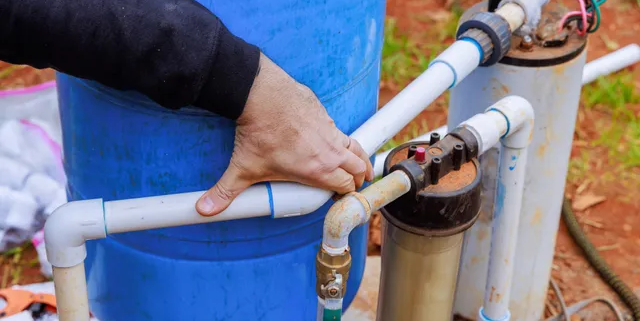
Plumbing connections include water supply lines, drain connections for regeneration cycles, and bypass systems that allow softener isolation for maintenance. These connections must be properly sized and installed to prevent leaks and ensure optimal performance.
Electrical installation includes power connections for control systems and optional monitoring equipment. Most residential softeners use standard 120V power with minimal electrical requirements.
Drain connections route regeneration wastewater to appropriate drainage systems while complying with local plumbing codes. Proper drainage prevents backflow and ensures reliable regeneration cycle completion.
System Sizing and Selection
Proper softener sizing ensures adequate capacity to handle your household’s water usage while providing efficient operation and minimal maintenance. I analyze your water hardness, daily usage, and household size to recommend optimal system capacity.
Flow rate requirements depend on your home’s plumbing configuration and simultaneous water usage patterns. Undersized systems can’t provide adequate flow during peak demand, while oversized systems waste regeneration resources.
Regeneration frequency affects salt usage, water consumption, and system efficiency. Properly sized systems regenerate efficiently without excessive resource consumption or insufficient capacity during high-demand periods.
Capacity Calculations
Daily water usage analysis considers household size, water use patterns, and seasonal variations that affect softener capacity requirements. Accurate usage estimates ensure proper system sizing without oversizing that increases costs.
Hardness compensation adjusts capacity calculations based on your specific water hardness level. Higher hardness requires more frequent regeneration or larger capacity to maintain soft water throughout regeneration cycles.
Peak demand considerations ensure adequate flow rates during simultaneous use of multiple fixtures or appliances. Proper flow rate capacity prevents pressure drops that affect system performance and user satisfaction.
Ready for professional water softener installation in Springfield, Oregon? Contact Alpine Pumps at (541) 424-2243
Benefits of Water Softening
Appliance protection represents one of the most significant benefits of water softening, as soft water eliminates scale buildup that reduces efficiency and shortens equipment life. Water heaters, dishwashers, and washing machines last longer and operate more efficiently with soft water.
Improved cleaning effectiveness results from soft water’s ability to work better with soaps and detergents, creating better lather and reducing soap scum formation. You’ll use less soap while achieving better cleaning results throughout your home.
Personal comfort improvements include softer skin and hair, reduced soap scum in bathtubs and showers, and brighter, softer laundry. These benefits improve daily comfort while reducing the time and products needed for cleaning.
Economic Advantages
Reduced maintenance costs result from eliminated scale buildup that clogs pipes, damages appliances, and reduces efficiency. Soft water prevents these problems while extending equipment life and reducing repair needs.
Energy savings occur when water heaters operate more efficiently without scale buildup that insulates heating elements. Studies show that even minimal scale accumulation can increase energy consumption significantly.
Soap and detergent savings result from improved cleaning effectiveness that allows reduced product usage while achieving better results. These savings continue throughout the softener’s life while improving cleaning performance.
Maintenance and System Care
Regular maintenance ensures your water softener continues providing optimal performance while extending system life and minimizing operating costs. Most maintenance tasks are simple and can be performed by homeowners with minimal effort.
Salt level monitoring and refill represents the primary maintenance requirement for most water softeners. I recommend checking salt levels monthly and maintaining adequate reserves to prevent hardness breakthrough.
Annual professional maintenance includes resin bed cleaning, control system inspection, and performance testing that ensures continued optimal operation. These visits identify potential problems early while optimizing system performance.
Salt Management
Salt type selection affects system performance and maintenance requirements. I recommend high-purity salt that minimizes residue buildup while providing optimal regeneration effectiveness.
Salt bridging prevention involves proper salt storage and periodic inspection to prevent clumping that can interrupt regeneration cycles. Proper salt management ensures consistent system operation without interruption.
Brine tank maintenance includes periodic cleaning and inspection to prevent bacterial growth and salt residue accumulation. Clean brine tanks ensure effective regeneration while maintaining water quality.
Water Quality Considerations
Post-softening water quality includes slightly elevated sodium content from the ion exchange process. While this increase is minimal for most people, those on sodium-restricted diets may want to consider alternatives.
Potassium chloride can be used instead of sodium chloride for regeneration, eliminating sodium addition while providing effective water softening. This option works well for households with sodium sensitivity concerns.
Water testing after installation verifies proper softener operation and water quality improvement. I provide comprehensive testing to ensure your system meets performance expectations and addresses your specific water quality concerns.
Additional Treatment Integration
Iron removal systems work in conjunction with water softeners to address iron contamination that can interfere with softening effectiveness. Combined treatment approaches provide comprehensive water quality improvement.
pH adjustment may be necessary for optimal softener performance when water is very acidic or alkaline. Proper pH levels ensure effective regeneration while protecting system components from corrosion.
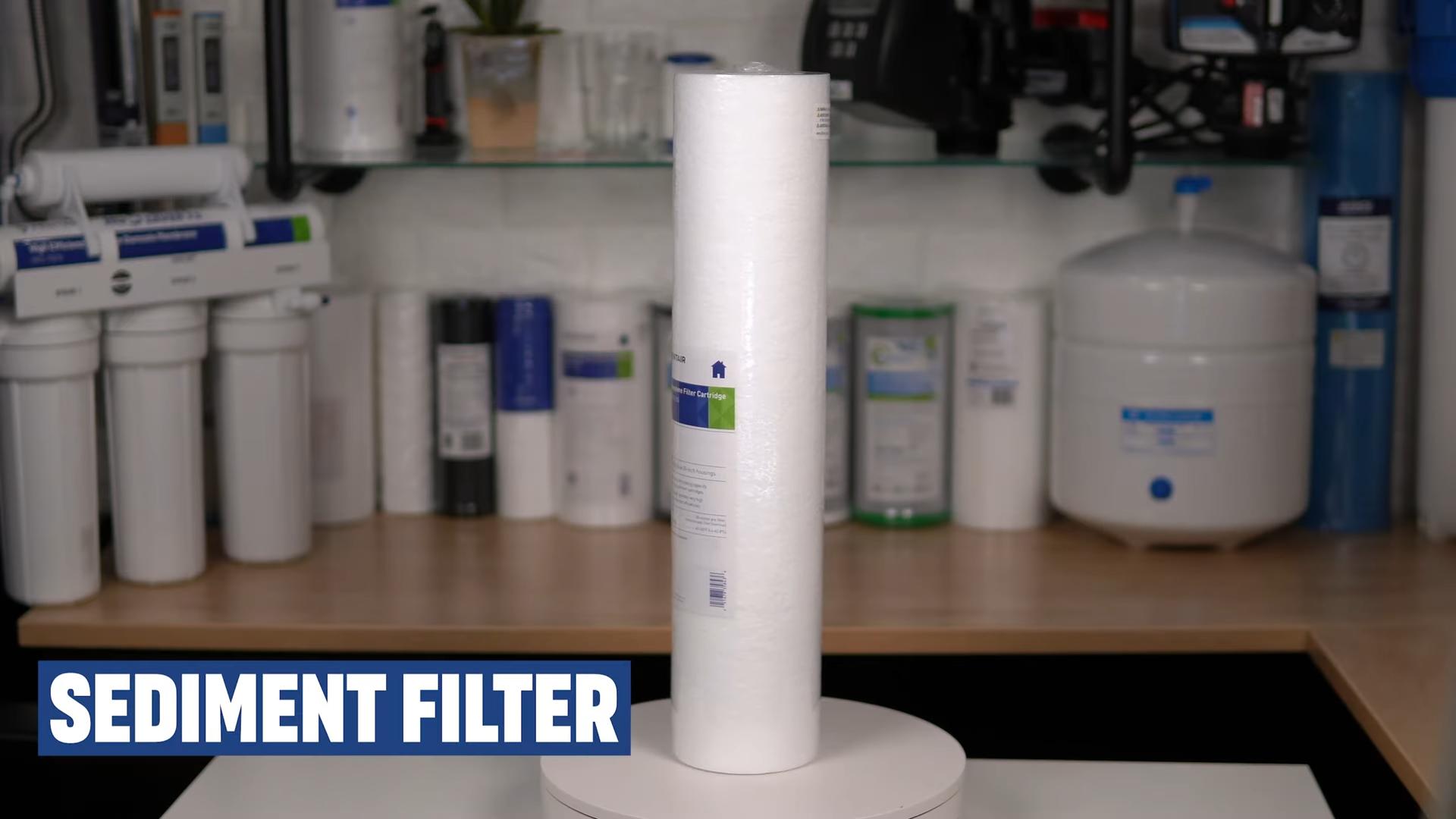
Filtration integration addresses sediment, chlorine, or other contaminants that might affect softener performance or water quality. Combined systems provide comprehensive water treatment that addresses multiple quality issues.
Troubleshooting Common Issues
Hard water breakthrough occurs when softeners fail to regenerate properly or exhaust their capacity between regeneration cycles. This problem often results from incorrect settings, salt depletion, or system malfunction.
Regeneration problems can prevent proper softening and may result from electrical issues, blocked drain lines, or control system malfunctions. Professional diagnosis ensures accurate problem identification and appropriate repairs.
Salt usage issues including excessive consumption or inadequate regeneration effectiveness often indicate programming problems or system wear that requires professional attention and adjustment.
Performance Optimization
Regeneration scheduling optimization adjusts timing and frequency based on actual water usage patterns and seasonal variations. Proper scheduling maximizes efficiency while ensuring consistent soft water availability.
System settings adjustment includes hardness compensation, regeneration frequency, and salt dosage that optimize performance for your specific water conditions and usage patterns.
Environmental Considerations
Wastewater management from regeneration cycles includes proper drainage that complies with local regulations while minimizing environmental impact. Modern high-efficiency systems significantly reduce wastewater volume.
Salt usage optimization through demand-initiated regeneration and proper system sizing minimizes environmental impact while maintaining effective water softening. Efficient systems use substantially less salt than older time-based units.
Alternative softening methods including template-assisted crystallization provide scale reduction without salt use for environmentally sensitive applications. These systems work well for specific applications where salt discharge is prohibited.
Sustainable Operation
Energy efficiency considerations include system sizing and regeneration scheduling that minimize power consumption while maintaining optimal performance. Efficient operation reduces both operating costs and environmental impact.
Resource conservation through proper maintenance and optimization reduces water and salt consumption while extending system life. Well-maintained systems operate more efficiently while requiring fewer resources.
System Upgrades and Replacement
Existing system evaluation determines whether repair, upgrade, or replacement provides the best value for aging water softeners. Professional assessment considers system condition, efficiency, and current technology advantages.
Upgrade options include control system improvements, efficiency enhancements, and capacity adjustments that improve performance without complete system replacement. These upgrades often provide significant benefits at reduced cost.
Replacement timing considerations include system age, repair frequency, and efficiency compared to modern systems. New high-efficiency softeners often provide substantial operating cost reductions that justify replacement.
Technology Improvements
Smart technology integration provides remote monitoring, automatic optimization, and predictive maintenance capabilities that improve convenience while ensuring optimal performance.
Efficiency improvements in modern systems significantly reduce salt and water consumption while providing better performance than older units. These improvements often recover upgrade costs through reduced operating expenses.
Link to Water Quality Association’s water softening information (https://www.wqa.org/learn-about-water/common-contaminants/hardness)
Why Choose Alpine Pumps for Water Softener Installation
My 30-plus years of experience serving Springfield and Lane County provides unique expertise in local water conditions and the most effective softening solutions for our area. I’ve installed hundreds of water softeners and understand which systems work best for different water quality challenges.
Local knowledge includes familiarity with Springfield’s typical water hardness levels, common problems, and the most reliable equipment for our climate conditions. This expertise ensures optimal system selection and installation for your specific needs.
Complete Water Treatment Solutions
When you choose Alpine Pumps for water softener installation, you receive comprehensive service from initial water testing through ongoing maintenance. I handle system selection, installation, and long-term support to ensure your softener provides years of reliable performance.
My commitment to customer satisfaction includes thorough system testing, customer education about proper operation, and ongoing availability for questions or service needs. I stand behind every installation with comprehensive warranties and prompt service response.
Experience the benefits of soft water with professional water softener installation in Springfield, Oregon. Call Shawn Turner at Alpine Pumps today: (541) 424-2243