Professional Cistern Installation Services
When it comes to cistern installation, I understand that having adequate water storage capacity is essential for properties seeking water security, rainwater harvesting, or backup water supply during emergencies. Whether you’re looking to capture rainwater for irrigation, store well water for household use, or create emergency water reserves, a properly installed cistern system provides dependable water storage that enhances your property’s water independence.
Living in Springfield, we experience seasonal rainfall patterns that make rainwater harvesting through cistern systems highly effective for reducing water costs while providing sustainable water storage. Additionally, cisterns offer excellent backup water storage for properties relying on wells or facing potential utility service interruptions.
Understanding Cistern Systems and Applications
Cisterns are large water storage containers designed to collect, store, and distribute water for various residential and commercial uses. These systems range from simple rainwater collection tanks to sophisticated storage systems with filtration and distribution capabilities.
Primary applications include rainwater harvesting from roof systems, well water storage for properties with limited pumping capacity, and emergency water storage for households wanting backup water supplies. Cisterns also serve irrigation systems, fire protection, and off-grid water independence.
Modern cistern systems integrate with existing plumbing and water management infrastructure to provide seamless operation while maintaining water quality through proper design and optional treatment systems.
As the owner of Alpine Pumps, I’m Shawn Turner, and I’ve been providing reliable water storage solutions to Springfield homeowners for over 30 years.
Types of Cistern Applications
Rainwater harvesting cisterns collect precipitation from roof systems through gutters and downspouts, providing free water for irrigation and non-potable uses. These systems can significantly reduce water bills while supporting sustainable water management practices.
Potable water storage cisterns hold treated drinking water for households using well water or requiring emergency backup supplies. These systems include features that maintain water quality during extended storage periods.
Irrigation storage cisterns provide dedicated water supplies for landscape watering, allowing efficient irrigation management independent of household water use. These systems often use larger capacity tanks to handle seasonal irrigation demands.
Planning cistern installation in Springfield, Oregon? Call Shawn Turner at Alpine Pumps: (541) 424-2243
Cistern Types and Materials
Above-ground cisterns offer cost-effective installation and easy maintenance access while providing flexible sizing and placement options. These systems work well for properties with adequate space and can be integrated with existing structures or landscaping.
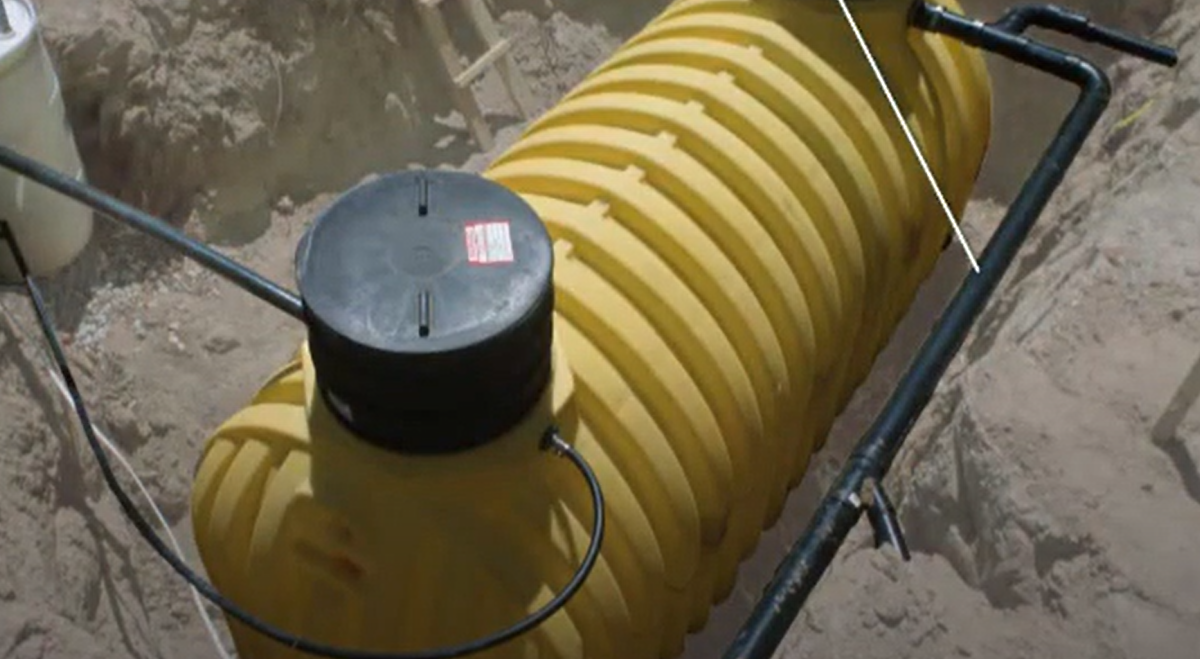
Underground cisterns provide freeze protection, aesthetic advantages, and protection from temperature fluctuations that can affect water quality. While installation is more complex, these systems offer long-term durability without impacting property aesthetics.
Material options include food-grade polyethylene for potable water storage, fiberglass for durability and corrosion resistance, and concrete for large-capacity permanent installations. Material selection depends on intended use, budget, and installation requirements.
Specialized Cistern Designs
Modular cistern systems allow flexible capacity adjustment and staged installation as water storage needs grow. These systems use multiple connected tanks, providing redundancy and expansion capability that adapts to changing requirements.
First-flush diverters separate initial roof runoff that may contain debris or contaminants from cleaner water that follows. These systems improve stored water quality by eliminating the most contaminated portion of each rainfall event.
Pressurized cistern systems integrate with pump systems to provide consistent water pressure for household distribution. These systems include pressure regulation and monitoring that ensure reliable water delivery throughout your home.
Professional Installation Process
Professional cistern installation ensures optimal performance, code compliance, and long-term reliability while maximizing storage efficiency and water quality. I handle every aspect of installation from initial site assessment through final system testing and commissioning.
Site preparation includes excavation for underground systems or foundation preparation for above-ground installations. Proper site preparation ensures stable cistern placement, adequate drainage, and appropriate access for maintenance and monitoring.
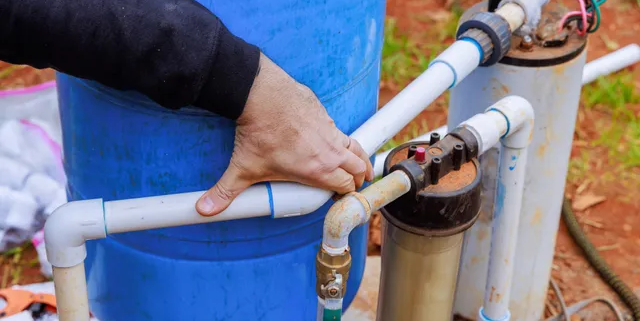
System integration connects cisterns to water collection sources, distribution systems, and optional treatment equipment. These connections must be properly designed to maintain water quality while providing efficient collection and distribution.
Plumbing and Electrical Integration
Inlet plumbing systems channel water from collection sources into cisterns while incorporating filtration and first-flush diversion as needed. Proper inlet design prevents contamination while maximizing collection efficiency during rainfall events.
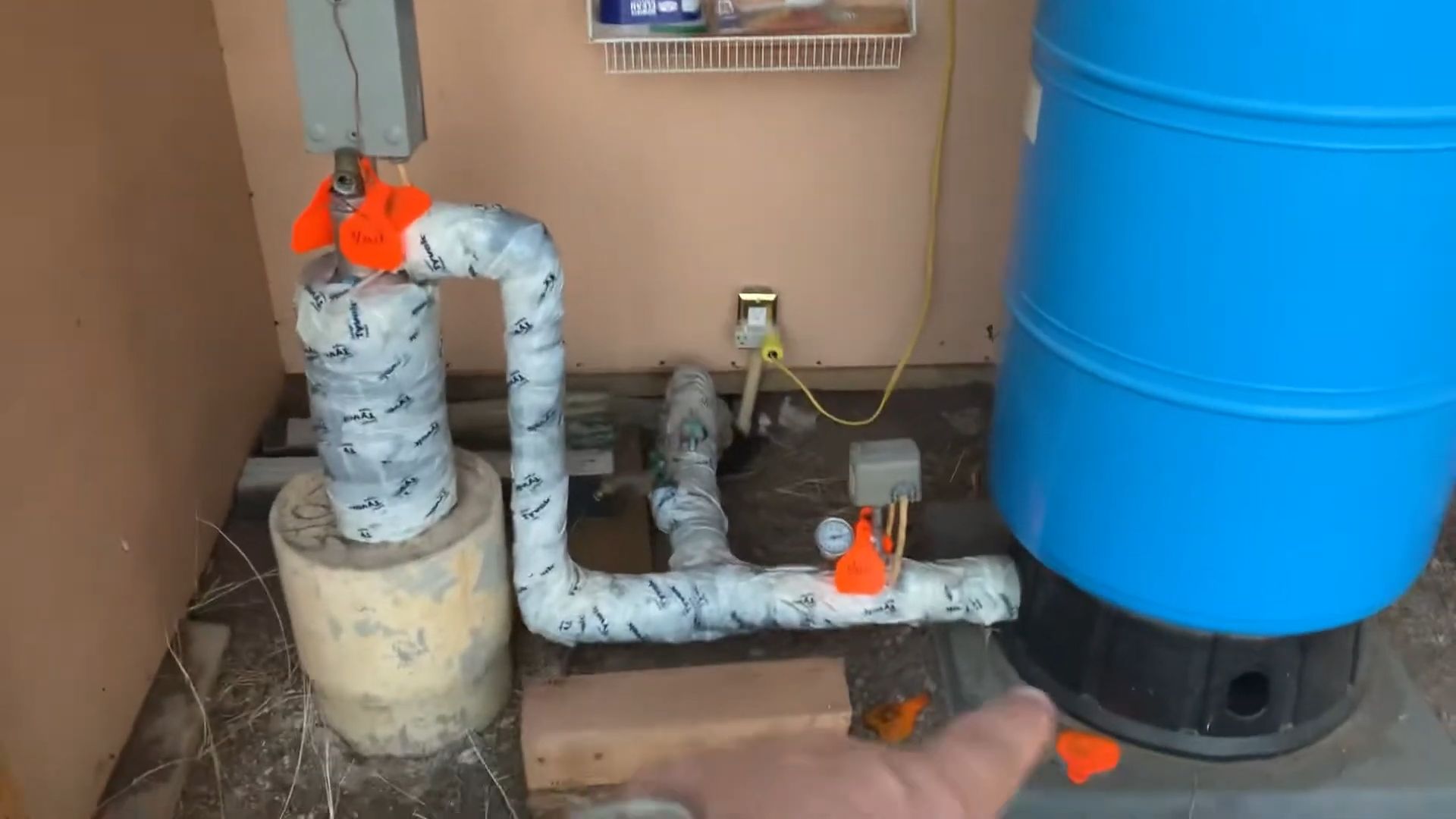
Outlet systems include pumps, pressure tanks, and distribution plumbing that deliver stored water to end uses. These systems must be designed to maintain water quality while providing adequate pressure and flow for intended applications.
Electrical systems include pump controls, level monitoring, and optional treatment equipment that manage cistern operation automatically. Proper electrical installation ensures safe, reliable operation while providing monitoring and control capabilities.
Water Collection and Quality Management
Rainwater collection systems channel precipitation from roof surfaces through gutters, downspouts, and collection piping into cisterns. Proper collection system design maximizes water capture while minimizing contamination from roof materials or atmospheric pollutants.
Collection surface preparation includes roof cleaning and gutter maintenance that improve collected water quality. Clean collection surfaces reduce sediment and organic matter that could affect stored water quality.
First-flush diversion systems automatically discard initial rainfall that carries the highest concentration of contaminants, allowing cleaner water to enter storage. These systems significantly improve stored water quality with minimal water loss.
Water Treatment Integration
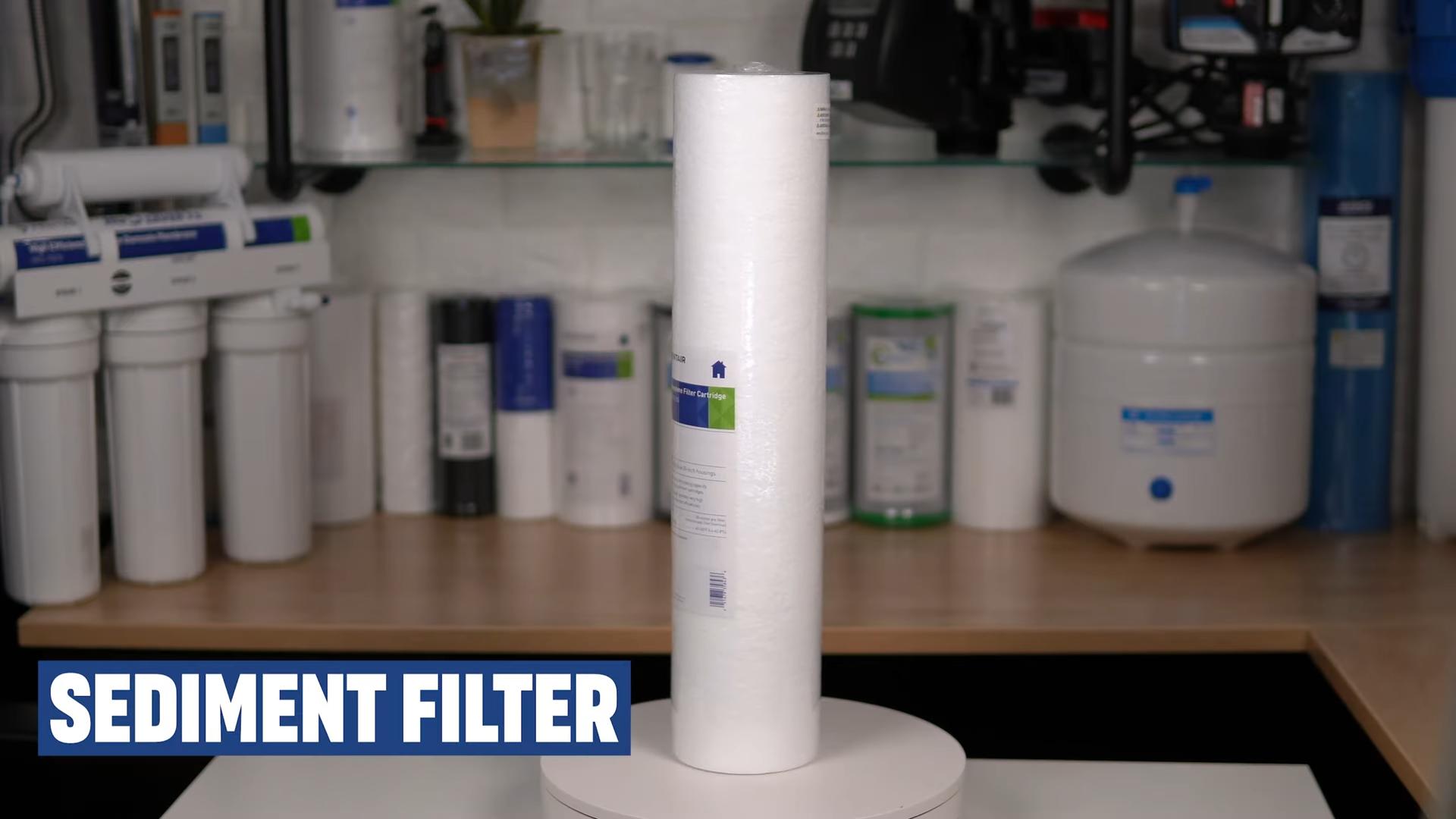
Filtration systems remove sediment, debris, and particulates from collected water before storage or at point of use. Multiple filtration stages can address different contamination sources while maintaining water clarity and quality.
Disinfection systems including UV sterilization or chlorination eliminate bacteria and other microorganisms that could multiply during storage. These systems are particularly important for potable water storage applications.
Water quality monitoring tracks storage conditions and alerts you to changes requiring attention. Modern monitoring systems include remote sensing capabilities that provide real-time water quality information through smartphone apps.
Ready for professional cistern installation with integrated water quality management in Springfield, Oregon? Contact Alpine Pumps at (541) 424-2243
Pump Systems and Distribution
Cistern systems require properly sized pumps to deliver stored water to distribution systems with adequate pressure and flow. I design pump systems that provide reliable water delivery while optimizing energy efficiency and system performance.
Pump selection depends on cistern depth, distribution requirements, and intended uses. Submersible pumps work well for deep cisterns, while surface pumps may be appropriate for shallow storage or above-ground systems.
Distribution systems include pressure tanks, control systems, and plumbing that deliver cistern water to end uses. These systems must provide adequate pressure while maintaining water quality throughout the distribution network.
Automated Control Systems
Level control systems monitor cistern water levels and manage pump operation to maintain optimal storage levels while preventing dry running that could damage pumps. These controls ensure reliable operation without constant monitoring.
Pressure control systems maintain consistent water pressure throughout your distribution system regardless of demand variations. Proper pressure control ensures reliable operation of fixtures and appliances while protecting plumbing systems.
Smart monitoring systems provide remote access to cistern levels, pump operation, and water quality through smartphone apps or web interfaces. These systems allow proactive management and early problem detection.
Maintenance and System Care
Regular maintenance ensures your cistern system continues providing reliable water storage while maintaining water quality standards. I recommend establishing maintenance schedules that include both routine inspections and professional service visits.
Cistern cleaning procedures remove sediment and biofilm that can accumulate over time, maintaining water quality and storage capacity. Cleaning frequency depends on water source quality, cistern materials, and usage patterns.
System component maintenance includes pump servicing, control system checks, and plumbing inspection that ensures reliable operation. Regular maintenance prevents failures and extends system life significantly.
Water Quality Maintenance
Algae prevention measures include light exclusion, proper ventilation, and optional treatment systems that prevent biological growth in stored water. These measures maintain water quality while extending storage periods.
Sediment management includes inlet filtration and periodic cleaning that prevents accumulation of particles that could affect water quality or clog distribution systems.
Disinfection maintenance ensures treatment systems continue operating effectively while monitoring water quality parameters that indicate system performance.
Regulatory Compliance and Permits
Cistern installations must comply with local building codes, health department regulations, and water collection restrictions. As a licensed professional, I ensure all installations meet applicable codes and obtain necessary permits.
Setback requirements govern cistern placement relative to property lines, septic systems, and wells. These regulations protect water quality while ensuring adequate access for maintenance and inspection.
Rainwater harvesting regulations may include restrictions on collection methods, storage capacity, or intended uses. Understanding local regulations ensures compliant installations that avoid future problems.
Health and Safety Standards
Potable water storage requirements include specific materials, design features, and treatment systems that ensure safe drinking water storage. Compliance with health standards protects your family’s health and safety.
Cross-connection prevention measures ensure cistern water doesn’t contaminate municipal water supplies through backflow or interconnection. These protections are required by most plumbing codes.
Structural requirements ensure cistern installations can withstand environmental loads including soil pressure, hydrostatic forces, and seismic activity. Proper structural design prevents failures that could cause property damage.
Cost Considerations and Return on Investment
Cistern installation costs vary based on system size, installation complexity, and treatment options selected. Professional installation ensures optimal performance while providing warranty protection and code compliance.
Water cost savings from rainwater harvesting can provide substantial long-term savings, particularly for irrigation and non-potable uses. These savings offset installation costs while providing ongoing benefits.
Property value enhancement results from improved water security and sustainable features that potential buyers recognize as valuable improvements. Cistern systems often increase property marketability and appeal.
Economic Benefits Analysis
Utility cost reduction through rainwater harvesting provides immediate monthly savings that continue throughout system life. For properties with high water usage or expensive utility rates, savings can be significant.
Emergency preparedness value includes reduced vulnerability to water service interruptions and associated costs or inconvenience during utility outages or restrictions.
Environmental benefits include reduced stormwater runoff, decreased demand on municipal water systems, and support for sustainable water management practices that benefit the entire community.
Integration with Existing Water Systems
Cistern systems integrate excellently with existing well water systems, providing supplemental storage that reduces pump cycling while ensuring adequate water supplies during peak demand periods.
Municipal water backup connections provide automatic switching to utility water when cistern levels are low, ensuring continuous water availability while maximizing rainwater utilization.
Irrigation system integration allows dedicated water supplies for landscape watering that don’t affect household water use or pressure. These systems often provide better irrigation management and cost control.
Complete Water Management Solutions
Whole-house integration includes plumbing modifications that allow cistern water for appropriate uses while maintaining municipal or well water for drinking and cooking. This approach maximizes water savings while ensuring safety.
Treatment system integration provides comprehensive water quality management that addresses both collection and storage water quality issues. These systems ensure safe, high-quality water regardless of source.
Emergency Preparedness and Water Security
Emergency water storage provides essential backup water supplies during utility outages, natural disasters, or other events that interrupt normal water service. Properly designed cisterns ensure adequate emergency water for extended periods.
Backup power systems maintain pump operation during power outages, ensuring continued water access when electrical service is interrupted. These systems include battery backup or generator connections for reliable operation.
Water conservation during emergencies includes systems that prioritize essential water uses while extending available supplies. Smart management systems help optimize water use during shortage conditions.
Link to EPA’s rainwater harvesting guide (https://www.epa.gov/soakuptherain/soak-rain-rain-barrels-and-cisterns)
Disaster Resilience Planning
Earthquake resistance includes proper cistern anchoring and flexible connections that prevent damage during seismic events. These measures ensure continued water access after natural disasters.
Contamination protection prevents water supply contamination during flood events or other disasters that could affect water quality. Proper system design includes safeguards against external contamination sources.
Why Choose Alpine Pumps for Cistern Installation
My 30-plus years of experience serving Springfield and Lane County provides unique expertise in local conditions and the most effective cistern solutions for our area. I’ve installed numerous cistern systems and understand which approaches work best for different applications and property types.
Local knowledge includes familiarity with Springfield’s rainfall patterns, soil conditions, and regulatory requirements that affect cistern installations. This expertise ensures optimal system design and installation for our specific climate and conditions.
Complete Water Storage Solutions
When you choose Alpine Pumps for cistern installation, you receive comprehensive service from initial planning through ongoing maintenance. I handle system design, permitting, installation, and long-term support to ensure your cistern provides years of reliable water storage.
My commitment to customer satisfaction includes thorough system testing, customer education about proper operation, and ongoing availability for questions or service needs. I stand behind every installation with comprehensive warranties and prompt service response.
Experience reliable water storage with professional cistern installation in Springfield, Oregon. Call Shawn Turner at Alpine Pumps today: (541) 424-2243