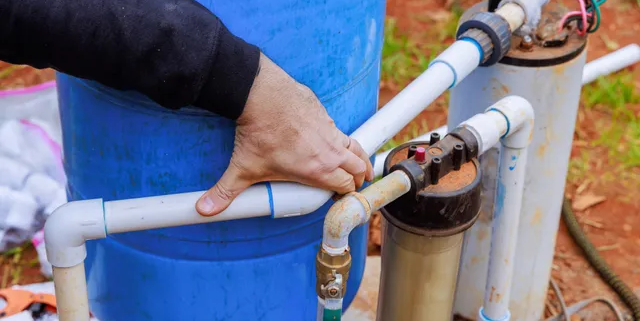
Best Well Water Filtration Systems in Eugene, OR
Eugene homeowners with private wells face unique water quality challenges requiring effective filtration solutions. Understanding available systems and matching technology to specific water problems ensures safe, clean water throughout your home.
Need expert water filtration guidance? Call Shawn at 541-424-2243 for Alpine Pump Inc.’s professional water testing and filtration system installation in Eugene, OR.
Well water quality varies significantly across Eugene and surrounding areas. Geological formations, aquifer depth, and local land use affect water chemistry. Some wells deliver pristine water requiring minimal treatment while others contain multiple contaminants needing comprehensive filtration.
Common Eugene well water issues include iron and manganese staining, hard water scaling, sulfur odors, sediment cloudiness, and bacteria contamination. Effective filtration addresses specific problems identified through professional water testing rather than generic one-size-fits-all approaches.
Alpine Pump Inc. brings over 30 years of experience serving Eugene area well owners. Shawn Turner specializes in water quality analysis and filtration system design, matching technology to actual water conditions for optimal performance and value.
Proper filtration protects household health, preserves plumbing and appliances, eliminates staining and odors, and improves water taste. Investment in quality systems pays dividends through reduced maintenance, extended equipment life, and peace of mind about water safety.
Understanding Eugene Well Water Quality Issues
Eugene’s diverse geology creates varied water quality challenges. Willamette Valley alluvial aquifers, foothill bedrock formations, and mountain sources each present different characteristics requiring tailored treatment approaches.
Iron and Manganese Contamination
Iron dissolved in groundwater appears clear from wells but oxidizes upon contact with air, forming rusty red-brown stains on fixtures, laundry, and surfaces. Concentrations above 0.3 parts per million (ppm) cause visible problems. Eugene area wells commonly contain 1-5 ppm requiring effective removal.
Manganese creates black or purple staining similar to iron but at lower concentrations. Levels exceeding 0.05 ppm produce noticeable discoloration. Combined iron-manganese contamination presents removal challenges needing specialized filtration.
Iron bacteria thrive in iron-bearing water, creating slimy deposits in plumbing, water heaters, and filtration equipment. Biological growth produces unpleasant odors and tastes while clogging systems. Treatment requires oxidation and filtration combined with periodic disinfection.
Ferrous iron (dissolved) versus ferric iron (particulate) require different treatment approaches. Testing determines iron form guiding filtration technology selection. Professional analysis ensures appropriate system specification.
Hard Water Minerals
Calcium and magnesium dissolved from limestone and basalt formations create hardness measured in grains per gallon or ppm. Eugene wells typically range from moderately hard (3-7 grains) to very hard (10+ grains) depending on aquifer source.
Hard water forms scale deposits in water heaters, pipes, and appliances, reducing efficiency and lifespan. Soap scum on fixtures and poor lathering frustrate cleaning efforts. Spotting on dishes and glassware creates ongoing cleaning challenges.
Scale accumulation costs homeowners through increased energy consumption, premature appliance replacement, and excessive cleaning product use. Water softening prevents these problems while improving water quality throughout homes.
Hardness levels determine softener sizing and regeneration frequency. Professional testing and calculation ensure adequate capacity for household demands without oversizing and wasting salt and water.
Sulfur and Hydrogen Sulfide
Rotten egg odor from hydrogen sulfide gas occurs in some Eugene area wells, particularly those drawing from deeper aquifers or areas with organic matter decomposition. Even low concentrations (0.5-1.0 ppm) produce offensive smells.
Sulfur accelerates corrosion of plumbing and water heaters. Metal deterioration creates leaks and premature failures. Protective treatment extends system life significantly.
Sulfur-reducing bacteria contribute to odor problems while creating slimy deposits. Biological activity complicates treatment requiring oxidation and disinfection approaches beyond simple filtration.
Aeration, oxidation, and specialized media effectively remove hydrogen sulfide. Treatment selection depends on concentration levels and water chemistry. Professional evaluation determines optimal approaches.
Sediment and Turbidity
Suspended particles from sand, silt, and clay create cloudy water. Eugene wells in alluvial aquifers or poorly constructed wells experience sediment problems. Turbidity indicates filtration needs protecting downstream equipment.
Sediment damages appliances, clogs aerators and shower heads, and creates gritty texture in water. Abrasive particles accelerate wear in pumps, valves, and fixtures. Effective filtration prevents damage and improves water clarity.
Particle size distribution affects filter selection. Coarse sand requires simple cartridge filtration while fine colloidal particles need specialized treatment. Professional testing characterizes sediment guiding technology choices.
Seasonal variations in sediment levels occur with water table fluctuations and well production changes. Filtration systems must handle peak turbidity periods without frequent clogging or maintenance.
Bacteria and Microbiological Contamination
Coliform bacteria presence indicates potential contamination from surface water or septic systems. While not necessarily harmful themselves, coliforms signal possible pathogen presence requiring treatment.
E. coli detection demands immediate action as indicator of fecal contamination. Disinfection becomes mandatory protecting household health. Professional testing identifies bacteria requiring appropriate treatment response.
Well construction defects, nearby contamination sources, or aquifer characteristics allow bacteria entry. Treatment addresses existing contamination while source investigation prevents recurrence.
Ultraviolet disinfection, chlorination, or ozonation effectively eliminate bacteria. Technology selection depends on water chemistry, flow requirements, and homeowner preferences. Professional guidance ensures effective safe treatment.
Call Shawn at 541-424-2243 for comprehensive Eugene well water testing and analysis.
Types of Well Water Filtration Systems
Multiple filtration technologies address different water quality problems. Understanding system types, capabilities, and limitations enables informed selection matching Eugene well water needs.
Sediment Filters
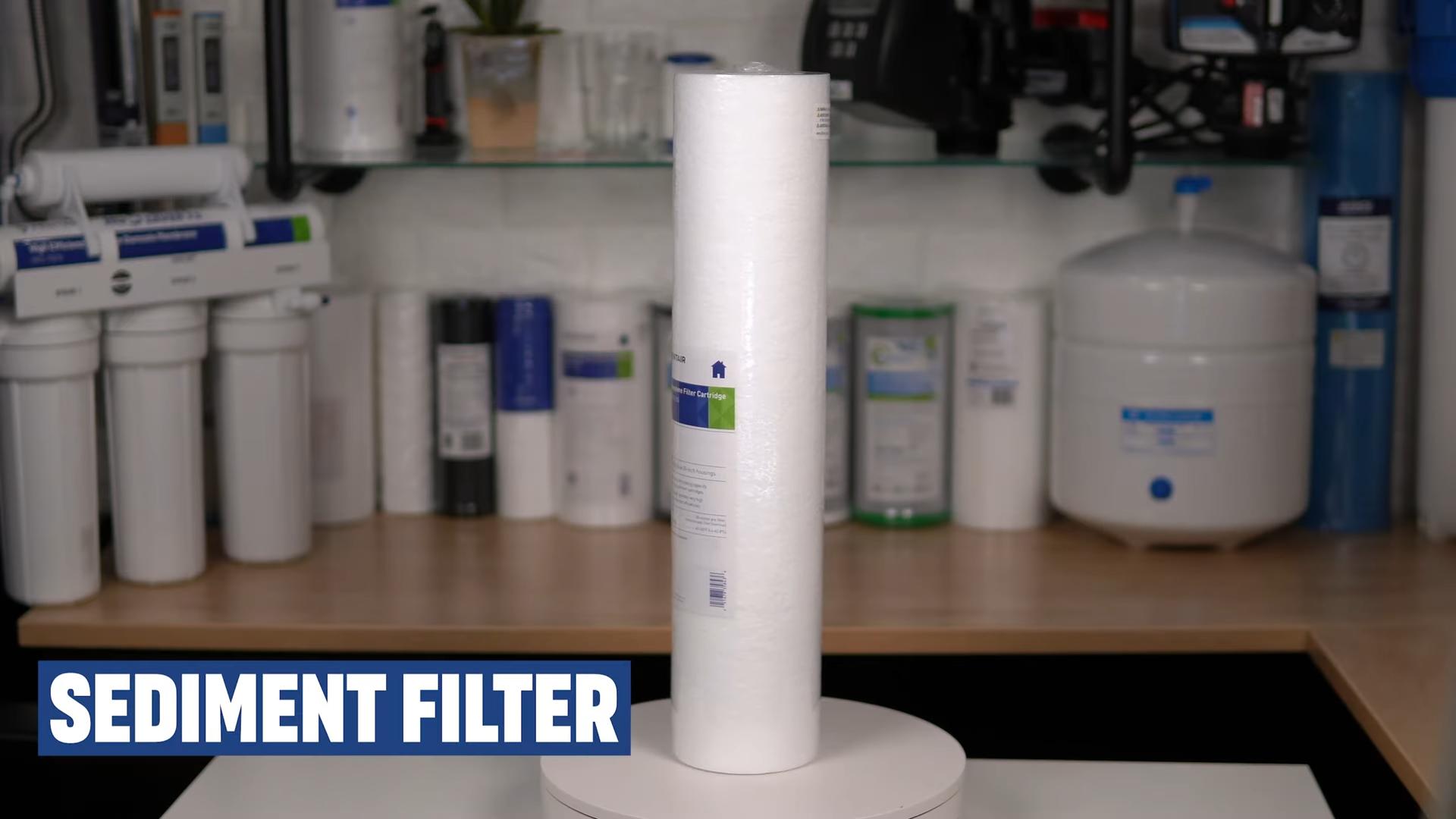
Cartridge filters using spun polypropylene, pleated polyester, or wound string media capture suspended particles. Micron ratings from 1-50 determine particle size removal. Multiple stages handle varying turbidity levels.
Whole-house sediment filters install at well pressure tank outlets, protecting downstream equipment and providing clear water throughout homes. Flow rates matching household demands prevent pressure loss during peak usage.
Disposable cartridges require periodic replacement based on water quality and consumption. Filter life ranges from 2-6 months for typical Eugene sediment levels. Reusable media filters offer longer service between cleanings.
Automatic backwashing sediment filters reverse flow periodically, flushing accumulated particles to drain. Self-cleaning operation reduces maintenance while ensuring consistent performance. Higher initial costs offset by reduced cartridge replacement.
Iron and Manganese Filters
Oxidizing filters using catalytic media like Birm, Filox, or greensand convert dissolved iron and manganese to particles for mechanical removal. Air injection or chemical oxidation enhances treatment effectiveness.
Automatic backwashing systems regenerate media, maintaining capacity and preventing channeling. Programmable controls optimize backwash frequency based on water usage and quality. Proper sizing ensures adequate contact time for effective oxidation.
Air injection systems introduce oxygen upstream of catalytic media, enhancing oxidation without chemicals. Compressed air dissolves in water, providing consistent oxidant supply. Technology works effectively for iron levels up to 10-15 ppm.
Chlorine injection with catalytic media handles higher iron concentrations and stubborn manganese. Chemical feed pumps inject precise oxidant doses. Retention tanks provide contact time before filtration. Professional design ensures effective treatment.
Water Softeners
Ion exchange softeners replace calcium and magnesium with sodium or potassium ions, eliminating hardness. Resin beads attract hardness minerals while releasing salt ions. Periodic regeneration with brine solution restores resin capacity.
Demand-initiated regeneration monitors water usage, triggering resin regeneration only when needed. Efficient operation reduces salt and water consumption compared to timer-based systems. Metered softeners provide optimal economy and performance.
Softener sizing depends on hardness levels and household water consumption. Undersized units regenerate too frequently while oversized systems waste resources. Professional calculations based on water testing ensure proper capacity.
Twin-tank softeners provide continuous soft water during regeneration cycles. One tank operates while the other regenerates, eliminating hard water breakthrough. Beneficial for large households or businesses requiring constant soft water.
Reverse Osmosis Systems
Point-of-use RO systems install under kitchen sinks, providing purified drinking and cooking water. Semi-permeable membranes remove dissolved solids, chemicals, and contaminants at molecular level. Multiple filter stages ensure comprehensive treatment.
RO effectively removes arsenic, nitrates, lead, and other health-concerning contaminants. Technology treats problems beyond conventional filtration capabilities. Essential for wells with specific contamination issues.
Production rates and storage capacity determine system adequacy. Typical systems produce 50-75 gallons daily with 2-4 gallon storage tanks. Adequate capacity ensures availability during peak demand periods.
Waste water production from RO treatment raises efficiency concerns. Modern systems achieve 1:1 to 2:1 waste-to-product ratios. Technology improvements reduce environmental impact while maintaining treatment effectiveness.
Ultraviolet Disinfection Systems
UV light destroys bacteria, viruses, and other microorganisms without chemicals. 254-nanometer wavelength damages DNA, preventing reproduction. Effective disinfection requires proper sizing, adequate contact time, and regular maintenance.
Whole-house UV systems install after filtration, treating all household water. Flow rate capacity must match peak household demands ensuring adequate UV exposure. Undersized units allow untreated water passage.
Pre-filtration removes sediment and iron preventing UV light shielding. Particles and discoloration block UV transmission reducing effectiveness. Proper system design includes appropriate pre-treatment.
Annual lamp replacement maintains disinfection effectiveness. UV intensity decreases over time even when lamps appear functional. Professional service includes lamp replacement and system performance verification.
Whole-House Carbon Filters
Activated carbon removes chlorine, organic chemicals, pesticides, and odors through adsorption. Large surface area attracts and holds contaminants. Effective for taste and odor improvement plus chemical reduction.
Granular activated carbon (GAC) systems provide high flow rates suitable for whole-house applications. Backwashing removes accumulated particles while preserving carbon capacity. Media replacement every 3-5 years maintains effectiveness.
Catalytic carbon enhances chloramine and hydrogen sulfide removal. Specialized media addresses specific contaminants standard carbon cannot effectively treat. Professional evaluation determines appropriate carbon type.
Carbon block cartridges offer higher filtration efficiency but lower flow rates. Point-of-use applications like under-sink systems benefit from compact high-performance filtration. Cartridge replacement maintains consistent performance.
Learn about Alpine Pump’s filtration solutions for Eugene well water treatment options.
Ready for customized filtration? Contact Shawn through Alpine Pump’s contact page for professional system design.
How to Choose the Right Filtration System
Selecting appropriate filtration requires understanding water quality, household needs, and system capabilities. Systematic evaluation ensures effective treatment and long-term satisfaction.
Professional Water Testing
Comprehensive analysis identifies specific contaminants requiring treatment. Standard tests include bacteria, iron, manganese, hardness, pH, sulfur, and sediment. Additional testing addresses arsenic, nitrates, and other health concerns based on area risks.
State-certified laboratories provide accurate reliable results. DIY test kits offer limited value with questionable accuracy. Professional testing investment guides proper system selection avoiding trial and error.
Annual retesting monitors water quality changes. Aquifer conditions, well performance, and area development affect chemistry over time. Regular testing identifies developing problems enabling proactive treatment adjustments.
Testing at multiple times captures seasonal variations. Wet versus dry season water quality differences impact treatment needs. Comprehensive sampling ensures system design handles all conditions.
Flow Rate Requirements
Peak household demand determines system capacity needs. Number of bathrooms, appliances, and occupants affect simultaneous water usage. Filtration systems must handle maximum flow without pressure loss or treatment bypass.
Typical single-family homes require 10-15 gallons per minute (GPM) capacity. Larger properties or multiple families need higher flow rates. Professional calculation based on fixture units ensures adequate capacity.
Pressure drop through filtration equipment affects system performance. Proper sizing minimizes pressure loss maintaining comfortable flow at fixtures. Multiple small filters in parallel outperform single large units in some applications.
Future expansion considerations influence initial system sizing. Planning for additional bathrooms or increased occupancy prevents premature system obsolescence. Modest oversizing provides flexibility without excessive costs.
Budget and Operating Costs
Initial equipment and installation costs vary widely among filtration technologies. Simple sediment filters cost hundreds while comprehensive treatment systems run thousands. Balancing upfront investment against long-term value guides decisions.
Operating expenses include electricity, salt or chemicals, replacement filters, and maintenance. Water softeners consume salt and regeneration water. UV systems require annual lamp replacement. Carbon filters need periodic media changes.
Total cost of ownership over system lifespan provides better comparison than purchase price alone. Efficient systems with higher initial costs may deliver lower lifetime expenses. Professional analysis quantifies long-term economics.
Financing options make comprehensive treatment affordable. Monthly payments spread costs while immediate water quality improvements begin. Investment in health and home protection justifies financing expenses.
Maintenance Requirements
Some homeowners prefer minimal involvement while others accept regular maintenance for cost savings. System selection should match owner capabilities and preferences. Low-maintenance options cost more initially but reduce ongoing effort.
Cartridge replacement schedules vary by water quality and consumption. Accessible filter housings simplify DIY changes. Professional service contracts eliminate homeowner maintenance responsibilities.
Automatic systems with self-cleaning capabilities reduce hands-on requirements. Backwashing filters and demand-regeneration softeners operate with minimal intervention. Monitoring and periodic service maintain optimal performance.
Record-keeping tracks maintenance history and performance trends. Documenting filter changes, testing results, and service dates helps identify patterns. Historical data assists professionals troubleshooting problems.
Space and Installation Considerations
Available space affects system selection and configuration. Whole-house treatment requires adequate area for equipment installation. Basement, garage, or utility room locations work best.
Proper installation requires plumbing modifications, electrical work, and drain connections. Professional installation ensures code compliance and optimal performance. DIY installation risks leaks, electrical hazards, and ineffective treatment.
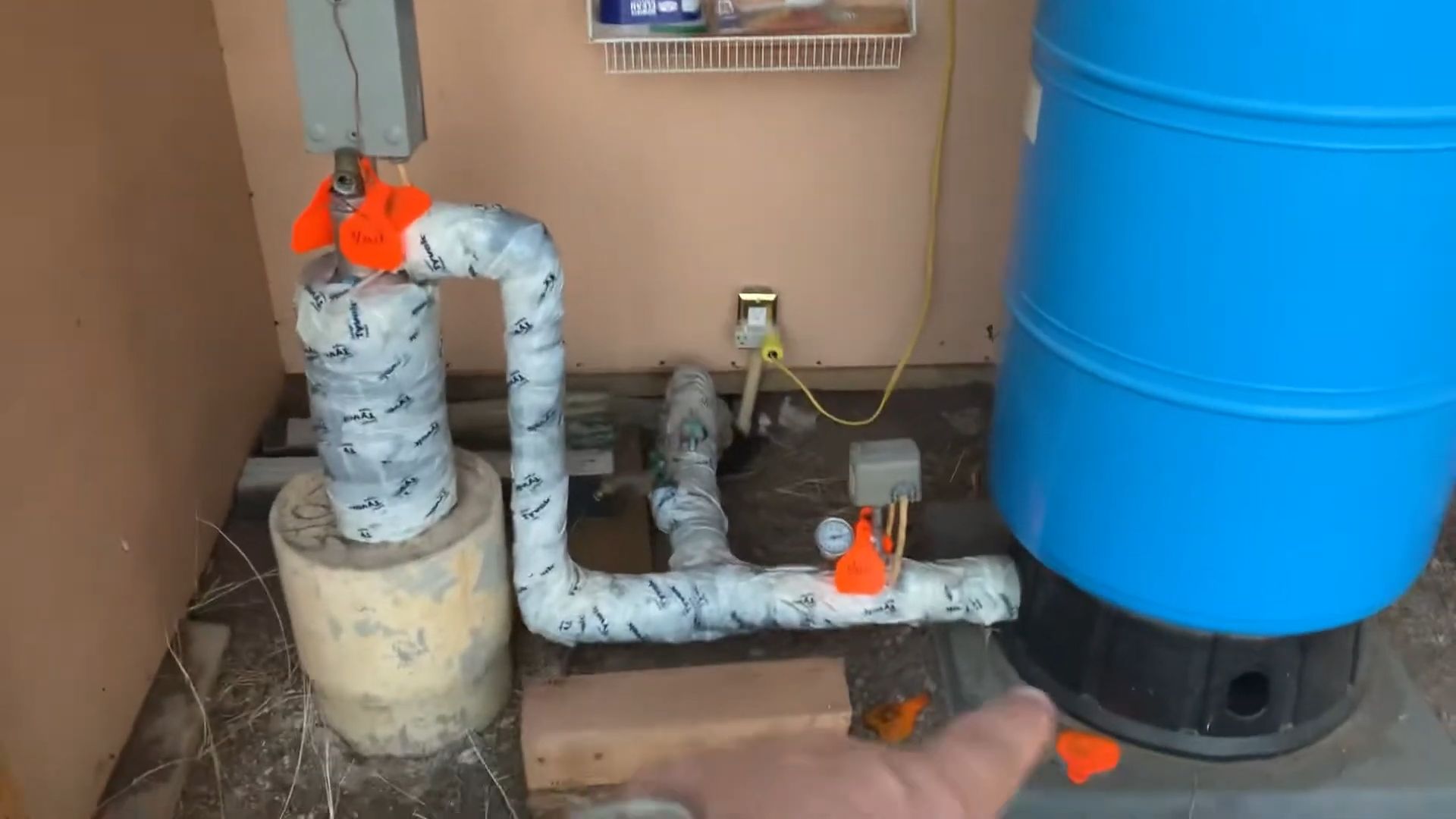
Outdoor installations need weather protection and freeze prevention. Insulated enclosures or heated spaces protect equipment. Eugene winters rarely freeze but occasional cold snaps threaten exposed systems.
Accessibility for maintenance influences location choices. Adequate clearance around equipment facilitates filter changes and service. Cramped installations complicate routine tasks increasing maintenance costs.
Call Shawn at 541-424-2243 for expert Eugene filtration system selection and design.
Installation and Maintenance Best Practices
Proper installation and ongoing maintenance ensure filtration systems deliver expected performance and longevity. Professional service maximizes investment value while protecting water quality.
Professional Installation Requirements
Licensed plumbers ensure code-compliant installations meeting safety standards. Proper pipe sizing, support, and connections prevent leaks and pressure loss. Professional work includes warranties protecting homeowner investments.
Electrical work for UV systems, softeners, and injection pumps requires licensed electrician expertise. Correct voltage, grounding, and circuit protection ensure safe reliable operation. Code violations void insurance coverage during problems.
Pre-installation planning determines optimal equipment location and configuration. Professional evaluation considers space, access, drainage, and existing plumbing. Thoughtful design facilitates operation and maintenance.
System startup includes performance verification and owner training. Flow testing, pressure checks, and treatment verification confirm proper operation. Homeowner education about operation and maintenance ensures long-term success.
Filter Change Schedules
Sediment filters require replacement when pressure drop increases or flow decreases noticeably. Typical intervals range 2-6 months depending on water quality. Monitoring pressure gauges indicates replacement timing.
Carbon filter media needs changing every 3-5 years based on water consumption and contaminant levels. Odor or taste breakthrough signals exhausted capacity. Professional service includes media replacement and system sanitization.
RO membrane replacement every 2-4 years maintains rejection efficiency. Declining production rates or increasing waste water ratios indicate membrane degradation. Professional testing guides replacement timing.
UV lamp annual replacement ensures consistent disinfection. Diminishing UV intensity over time reduces effectiveness even when lamps illuminate. Scheduled replacement prevents treatment failures.
Monitoring System Performance
Pressure gauge observation detects filter clogging or system problems. Significant pressure drops indicate maintenance needs. Gauge installation at filter inlets and outlets facilitates monitoring.
Water quality testing confirms treatment effectiveness. Periodic testing for target contaminants verifies removal. Annual testing catches developing problems or system degradation.
Flow rate measurements identify capacity losses from fouling or mechanical problems. Comparing current flow to baseline values reveals developing issues. Simple bucket tests provide adequate flow measurement.
Visual equipment inspection reveals leaks, corrosion, or damage. Regular walkthroughs catch obvious problems before failures. Early detection prevents expensive emergency repairs.
Sanitization and Cleaning
New system sanitization eliminates bacteria introduced during installation. Chlorine solution flushing followed by thorough rinsing ensures safe startup. Professional service includes proper sanitization procedures.
Annual system sanitization controls bacterial growth in filters and plumbing. Periodic chlorination maintains hygienic conditions. Treatment protocols depend on system types and water quality.
Media bed cleaning during maintenance removes accumulated particles and biological growth. Backwashing or chemical cleaning restores capacity and efficiency. Professional service includes appropriate cleaning procedures.
Resin bed cleaning in softeners removes iron fouling and organic contamination. Specialized cleaners restore exchange capacity degraded by foulants. Periodic cleaning extends resin life significantly.
Record Keeping and Documentation
Maintenance logs track filter changes, testing results, and service dates. Historical records identify patterns and predict future needs. Documentation assists warranty claims and property sales.
Water testing records document quality trends over time. Comparing results identifies changes requiring treatment adjustments. Testing history guides system modifications and upgrades.
Service receipts and warranties provide important reference information. Professional service documentation details work performed and parts replaced. Records protect investments and facilitate future service.
Equipment specifications and installation details help troubleshooting and maintenance. Knowing system model numbers, capacities, and settings streamlines service. Documentation binders keep information organized and accessible.
Explore Alpine Pump’s maintenance services for Eugene filtration system care.
Need professional maintenance? Contact Shawn via Alpine Pump’s contact page for service scheduling.
Cost Analysis of Eugene Well Water Filtration Systems
Understanding filtration system costs helps homeowners budget appropriately while recognizing long-term value. Comprehensive analysis includes installation, operation, and maintenance expenses.
Equipment and Installation Costs
Basic sediment filtration systems cost $300-$800 including installation for whole-house applications. Single cartridge units suit light sediment while multi-stage systems handle higher turbidity. Professional installation ensures proper sizing and integration.
Iron and manganese removal systems range $1,200-$3,500 depending on water quality severity and treatment technology. Air injection systems fall toward lower ranges while chemical injection approaches cost more. Adequate sizing for flow and removal capacity affects pricing.
Water softener installations run $1,000-$2,500 for quality demand-regeneration units. Basic timer models cost less but waste salt and water. Twin-tank systems serving large households or requiring continuous soft water approach upper ranges.
Comprehensive whole-house treatment combining sediment filtration, iron removal, and softening costs $3,000-$6,000. Integrated systems provide complete water quality improvement. Professional design optimizes component selection and configuration.
Point-of-Use System Costs
Under-sink reverse osmosis systems range $400-$1,200 including installation. Basic 3-stage units cost less while 5-stage systems with remineralization and UV approach upper pricing. Installation complexity affects labor costs.
UV disinfection systems for drinking water cost $300-$600 installed. Whole-house UV treating all water runs $800-$1,500 depending on flow capacity. Higher flow rates require larger more expensive units.
Countertop or faucet-mount filters provide economical options at $50-$300. Limited capacity and frequent cartridge replacement increase long-term costs. Best suited for renters or temporary solutions.
Drinking water carbon filters cost $200-$500 installed. Under-sink units remove chlorine, chemicals, and odors. Regular cartridge replacement maintains performance.
Operating and Maintenance Costs
Water softener salt costs $5-$15 monthly depending on hardness, water consumption, and softener efficiency. Demand-regeneration units minimize salt usage. Bulk salt purchases reduce per-pound costs.
Replacement sediment filters cost $10-$40 each requiring 4-12 annually based on water quality. Annual filter expenses range $50-$300 for typical installations. Quality filters last longer reducing replacement frequency.
Carbon media replacement every 3-5 years costs $150-$400 including professional service. Media longevity depends on water consumption and contaminant levels. Bulk media purchases for DIY replacement save money.
UV lamp annual replacement runs $80-$150 for whole-house systems. Point-of-use lamps cost $50-$80. Professional installation ensures proper lamp types and effective operation.
Long-Term Value and Savings
Water heater life extension from softening and filtration saves $800-$1,200 per premature replacement avoided. Scale-free operation improves efficiency reducing energy costs 20-30%. Treatment pays for itself through equipment protection.
Appliance longevity increases significantly with treated water. Dishwashers, washing machines, and ice makers last years longer without hard water damage. Avoided replacement costs justify filtration investments.
Plumbing protection from corrosion and scaling prevents expensive repairs. Pipe replacement, fixture rebuilds, and valve failures cost thousands. Treatment prevents damage preserving home value.
Soap and cleaning product savings from soft water range $200-$400 annually. Reduced quantities achieve better results. Savings accumulate over time offsetting treatment costs.
Health and Quality of Life Benefits
Safe drinking water free from contaminants provides priceless health protection. Avoiding illness and medical expenses justifies treatment investments. Peace of mind knowing water is safe benefits entire households.
Improved water taste and odor enhances quality of life. Cooking with clean water improves food flavor. Enjoyable drinking water encourages proper hydration supporting health.
Stain-free laundry, dishes, and fixtures eliminate frustrating cleaning efforts. Bright whites and vibrant colors from soft water reduce replacement needs. Time savings from easier cleaning provide lifestyle benefits.
Spotless glassware and fixtures create attractive homes. Hard water staining damages appearance requiring effort maintaining cleanliness. Treatment preserves aesthetics effortlessly.
Call Shawn at 541-424-2243 for detailed Eugene filtration system cost estimates.
Common Mistakes to Avoid
Understanding filtration pitfalls helps homeowners make informed decisions and avoid expensive errors. Learning from others’ mistakes prevents frustration and wasted money.
Skipping Professional Water Testing
Guessing at water problems leads to inappropriate system selection. Treating symptoms without identifying root causes wastes money on ineffective equipment. Comprehensive testing guides proper treatment design.
Relying on neighbors’ experiences ignores water quality variations. Wells hundreds of feet apart may have completely different chemistry. Each property requires individual evaluation.
Using inadequate test kits produces unreliable results. DIY strips and mail-order tests lack accuracy for treatment design. State-certified laboratory analysis provides reliable data.
Single-time testing misses seasonal variations and changing conditions. Annual testing tracks water quality trends identifying developing problems. Regular monitoring ensures treatment remains appropriate.
Undersizing Filtration Systems
Insufficient flow capacity causes pressure loss during peak demand. Simultaneous fixture use creates treatment bypass or inadequate contact time. Proper sizing maintains performance during maximum household usage.
Inadequate treatment capacity allows contaminant breakthrough. Undersized softeners produce hard water during high consumption periods. Iron filters overwhelmed by excessive loading fail removing metals.
Ignoring future needs leads to premature system obsolescence. Household growth or property improvements may exceed initial capacity. Modest oversizing provides expansion flexibility.
Cheap small filters clog frequently requiring constant maintenance. Adequate filtration area reduces replacement frequency. Appropriate sizing balances initial cost against long-term convenience.
Neglecting Pre-Filtration
Installing iron removal or softeners without sediment filtration causes rapid fouling. Particles clog media beds reducing capacity and efficiency. Simple pre-filtration extends downstream equipment life.
UV systems require clear water for effective disinfection. Sediment and iron shield microorganisms from UV light. Pre-treatment ensures disinfection effectiveness.
Reverse osmosis membranes fail prematurely with inadequate pre-filtration. Sediment, iron, and hardness damage delicate membranes. Proper pre-treatment protects expensive RO components.
Chemical injection systems need clear water for effective mixing and reaction. Turbidity interferes with oxidation and disinfection. Pre-filtration improves treatment chemistry.
Improper Installation
DIY installations often violate plumbing codes creating liability issues. Insurance claims may be denied for damage from unpermitted work. Professional installation ensures code compliance.
Incorrect pipe sizing creates pressure loss and flow restrictions. Undersized plumbing limits system performance. Proper hydraulic design maintains adequate pressure.
Poor drain connections cause flooding and water damage. Adequate drainage prevents overflow during backwashing and regeneration. Proper installation includes appropriate drain configuration.
Electrical errors create fire and shock hazards. Incorrect voltage, inadequate grounding, or improper wiring threaten safety. Licensed electricians ensure safe electrical work.
Delaying Maintenance
Postponing filter changes reduces treatment effectiveness. Exhausted filters allow contaminant passage defeating system purpose. Regular replacement maintains water quality protection.
Skipping annual UV lamp replacement risks inadequate disinfection. Declining UV intensity compromises bacterial control. Scheduled replacement ensures consistent protection.
Ignoring maintenance alerts allows problems escalating. Early intervention prevents minor issues becoming expensive failures. Attention to system indicators minimizes repair costs.
Neglecting professional service leads to performance degradation. Periodic evaluation catches developing problems. Preventive maintenance costs less than emergency repairs.
Focusing Only on Price
Cheap equipment often lacks durability and performance. Low-quality components fail prematurely requiring frequent replacement. Initial savings disappear through replacement and repair costs.
Inadequate warranties leave homeowners unprotected. Quality manufacturers stand behind products with substantial guarantees. Warranty protection provides peace of mind.
Ignoring operating costs focuses on wrong metrics. Inefficient systems consume excessive salt, water, and electricity. Lifecycle cost analysis reveals true economics.
DIY installation to save money risks improper performance and code violations. Professional installation ensures effective operation and compliance. Savings from DIY work often cost more long-term.
Learn from Alpine Pump’s experience avoiding common Eugene filtration mistakes.
Ready for expert guidance? Contact Shawn through Alpine Pump’s contact page for professional advice.
Regulations and Testing Requirements for Eugene Well Water
Oregon regulations and best practices guide well water testing and treatment protecting public health. Understanding requirements helps homeowners maintain compliance and safe water.
Testing Frequency Recommendations
Annual bacteria testing monitors microbiological safety. Coliform and E. coli analysis detects contamination requiring treatment. Regular testing catches problems before illness occurs.
Comprehensive chemistry testing every 3-5 years identifies changing conditions. Minerals, metals, and pH variations affect treatment needs. Periodic evaluation ensures continued appropriate treatment.
New well testing includes extensive analysis establishing baseline quality. Initial testing guides treatment system design. Comprehensive evaluation prevents surprises after installation.
Property transfer testing provides disclosure information protecting buyers and sellers. Oregon requires well testing during property sales. Comprehensive analysis documents water quality.
State Certified Laboratory Requirements
Oregon certifies laboratories meeting quality standards for drinking water analysis. Certified labs follow EPA methods ensuring accurate results. Certification provides confidence in test reliability.
Proper sample collection procedures affect result accuracy. Sterile containers, appropriate preservation, and correct techniques prevent contamination. Laboratory instructions guide proper sampling.
Chain of custody documentation tracks samples from collection through analysis. Proper records prevent sample mix-ups and ensure result reliability. Professional sampling includes appropriate documentation.
Accredited laboratories participate in proficiency testing programs verifying analytical accuracy. Regular third-party evaluation maintains quality. Certification ensures competent testing.
Treatment System Permitting
Well construction permits through Lane County include treatment system considerations. Proper permitting ensures regulatory compliance. Unpermitted work creates legal problems.
Significant plumbing modifications may require permits depending on scope. Local building departments determine permit requirements. Professional contractors handle permitting processes.
Septic system proximity affects well treatment decisions. Adequate separation prevents contamination. Regulatory requirements protect groundwater quality.
Chemical injection systems may require specific approvals. Some jurisdictions regulate chemical feed equipment. Professional installation includes appropriate permits.
Drinking Water Standards
EPA establishes maximum contaminant levels (MCLs) protecting public health. Private wells aren’t regulated but standards provide safety guidelines. Treatment achieving MCL compliance ensures safe water.
Oregon health authority recommends treatment for specific contaminants exceeding standards. Bacteria, nitrates, arsenic, and other health threats require appropriate action. Professional guidance interprets testing results.
Aesthetic standards address taste, odor, and staining problems. While not health threats, nuisance contaminants justify treatment. Quality of life improvements warrant investment.
Emerging contaminants not yet regulated may warrant precautionary treatment. PFAS, pharmaceuticals, and microplastics represent evolving concerns. Reverse osmosis provides protection against unregulated substances.
Call Shawn at 541-424-2243 for Eugene regulatory compliance and testing guidance.
Key Takeaways
- Eugene well water quality varies significantly by location requiring professional testing to identify specific treatment needs
- Common problems include iron and manganese staining, hard water scaling, sulfur odors, sediment, and bacteria contamination
- Multiple filtration technologies address different issues including sediment filters, iron removal systems, water softeners, reverse osmosis, and UV disinfection
- System selection depends on water testing results, flow requirements, budget, and maintenance preferences requiring professional guidance
- Installation costs range from $300 for basic sediment filtration to $6,000 for comprehensive whole-house treatment systems
- Professional installation ensures code compliance, optimal performance, and warranty protection while preventing expensive mistakes
- Regular maintenance including filter changes, annual testing, and professional service maintains treatment effectiveness and system longevity
- Long-term value includes appliance protection, plumbing preservation, health benefits, and quality of life improvements justifying filtration investments
Eugene well owners benefit tremendously from effective water filtration protecting health, preserving property, and improving daily comfort. Alpine Pump Inc.’s three decades of local experience ensures appropriate system selection and professional installation. Shawn Turner understands Eugene’s unique water quality challenges and available treatment solutions. Whether addressing simple sediment or complex multi-contaminant problems, expert guidance delivers effective lasting results impossible through trial and error approaches.
Stop struggling with water quality problems. Call Shawn at 541-424-2243 for professional Eugene well water testing and filtration system installation.
Frequently Asked Questions
Q: How often should Eugene well water be tested?
A: Annual bacteria testing monitors microbiological safety while comprehensive chemistry analysis every 3-5 years tracks changing conditions. New wells require extensive initial testing establishing baseline quality. Additional testing after repairs, nearby land use changes, or when noticing taste, odor, or appearance changes identifies developing problems requiring treatment adjustments. Call Shawn at 541-424-2243 for Eugene well water testing services.
Q: Can filtration systems remove all contaminants?
A: No single technology removes everything, but proper system combinations achieve comprehensive treatment. Reverse osmosis removes dissolved solids, chemicals, and heavy metals. UV disinfection eliminates microorganisms. Carbon filtration addresses organics and odors. Professional testing identifies specific contaminants, guiding appropriate technology selection for complete treatment.
Q: How long do water filtration systems last?
A: Equipment lifespan varies by technology and water quality. Properly maintained softeners last 15-20 years. Iron filters operate 10-15 years. UV systems need annual lamp replacement but housing lasts decades. RO membranes require changing every 2-4 years while systems function 10+ years. Quality equipment and professional maintenance maximize longevity.
Q: Do filtration systems require electricity?
A: Some systems need power while others operate without electricity. Water softeners and automatic backwashing filters require standard 120V power. UV disinfection uses electricity for lamp operation. Sediment and carbon filters work passively without power. Homes without electricity use passive filtration with periodic manual maintenance.
Q: Will filtration systems reduce water pressure?
A: Properly sized systems maintain adequate pressure while undersized equipment causes noticeable pressure loss. Pressure drop varies by technology with sediment filters creating minimal loss and RO systems requiring booster pumps. Professional design ensures adequate flow rates and pressure throughout homes. Multiple fixture simultaneous use tests verify performance.
Q: Can I install filtration systems myself?
A: Simple point-of-use filters suit DIY installation but whole-house systems require professional expertise. Plumbing codes, electrical work, and system sizing exceed typical homeowner capabilities. Improper installation risks leaks, electrical hazards, and ineffective treatment. Professional installation ensures code compliance, optimal performance, and warranty protection.
Q: What happens if I don’t treat my well water?
A: Untreated water creates multiple problems depending on contaminants present. Hard water damages appliances and plumbing. Iron stains fixtures and laundry. Bacteria threaten health. Sediment clogs fixtures. Scale reduces water heater efficiency. Long-term costs from damage, inefficiency, and health issues exceed treatment investment.
Q: How do I know which filtration system I need?
A: Professional water testing identifies specific contaminants requiring treatment. Laboratory analysis determines iron, hardness, bacteria, pH, and other parameters guiding system selection. Flow requirements, budget, and space considerations influence technology choices. Expert evaluation matches systems to actual water quality ensuring effective treatment.
Q: Are water softeners safe for drinking?
A: Softened water is safe for most people though sodium content increases slightly from ion exchange. Those on sodium-restricted diets may prefer unsoftened drinking water. Installing bypass for cold drinking water faucets or using potassium chloride instead of salt addresses concerns. Reverse osmosis removes sodium providing additional option.
Q: What maintenance do filtration systems require?
A: Requirements vary by technology. Sediment filters need cartridge replacement every 2-6 months. Softeners require salt replenishment and annual resin cleaning. UV systems need annual lamp replacement. Iron filters backwash automatically but require periodic media replacement. RO systems need membrane and filter changes every 1-4 years. Professional service contracts eliminate homeowner maintenance responsibilities. Call Shawn at 541-424-2243 for Eugene filtration maintenance services.