Fix Low Well Water Pressure: Professional Service in Eugene, OR
Low well water pressure frustrates Eugene homeowners affecting daily comfort and property functionality. Understanding pressure loss causes and professional solutions restores reliable water delivery throughout your home.
Experiencing weak water pressure? Call Shawn at 541-424-2243 for Alpine Pump Inc.’s expert low water pressure diagnosis and repair service in Eugene, OR.
Inadequate water pressure creates numerous household problems. Showers deliver unsatisfying trickles instead of invigorating spray. Dishwashers and washing machines struggle completing cycles properly. Irrigation systems fail to cover landscapes adequately. Multiple fixture use becomes impossible without severe pressure drops.
These symptoms indicate underlying well system problems requiring professional attention. Temporary fixes provide brief relief but fail addressing root causes. Comprehensive diagnosis identifies specific issues enabling effective permanent repairs.
Alpine Pump Inc. serves Eugene and surrounding communities with over 30 years of well system expertise. Shawn Turner specializes in diagnosing and repairing low water pressure problems, restoring optimal performance to residential and commercial properties.
Common low pressure indicators include:
- Weak flow from faucets and showerheads
- Reduced irrigation coverage and sprinkler performance
- Pressure loss when running multiple fixtures
- Gradual pressure decline over time
- Inconsistent pressure throughout different areas
What Causes Low Well Water Pressure?
Understanding low water pressure causes helps homeowners recognize symptoms and appreciate professional diagnostic approaches. Multiple factors contribute to pressure problems requiring systematic evaluation.
Declining Well Production
Wells gradually lose production capacity over years of service. Sediment accumulation in screens reduces water entry rates. Biological growth clogs perforations limiting flow. Aquifer depletion from area development decreases available water.
Eugene’s geological conditions include various aquifer types with different characteristics. Shallow wells in alluvial deposits may experience seasonal variations. Deeper bedrock wells encounter different challenges including mineral deposits and fracture changes.
Water level testing reveals production decline. Static water levels indicate aquifer capacity while pumping levels show well performance under load. Increasing drawdown suggests deteriorating well conditions requiring rehabilitation or replacement.
Recovery rate measurements determine how quickly wells refill after pumping stops. Slow recovery indicates limited aquifer recharge or well damage. Professional testing using precision instruments provides accurate assessment data.
Pump Wear and Degradation
Submersible pumps lose efficiency through normal wear. Impeller erosion from sandy water reduces pumping capacity. Worn bearings increase friction lowering output. Motor degradation decreases power delivery affecting performance.
Eugene area water quality varies significantly impacting pump longevity. Iron-bearing water accelerates corrosion. High sediment loads cause abrasive wear. Aggressive water chemistry attacks pump materials.
Pump performance testing measures actual output against rated specifications. Flow and pressure measurements reveal efficiency losses. Current draw analysis indicates motor condition and mechanical resistance.
Age alone doesn’t determine pump replacement needs. Well-maintained pumps in favorable conditions operate 15-25 years. Harsh environments may require replacement every 8-12 years. Professional evaluation assesses remaining service life accurately.
Pressure System Component Failures
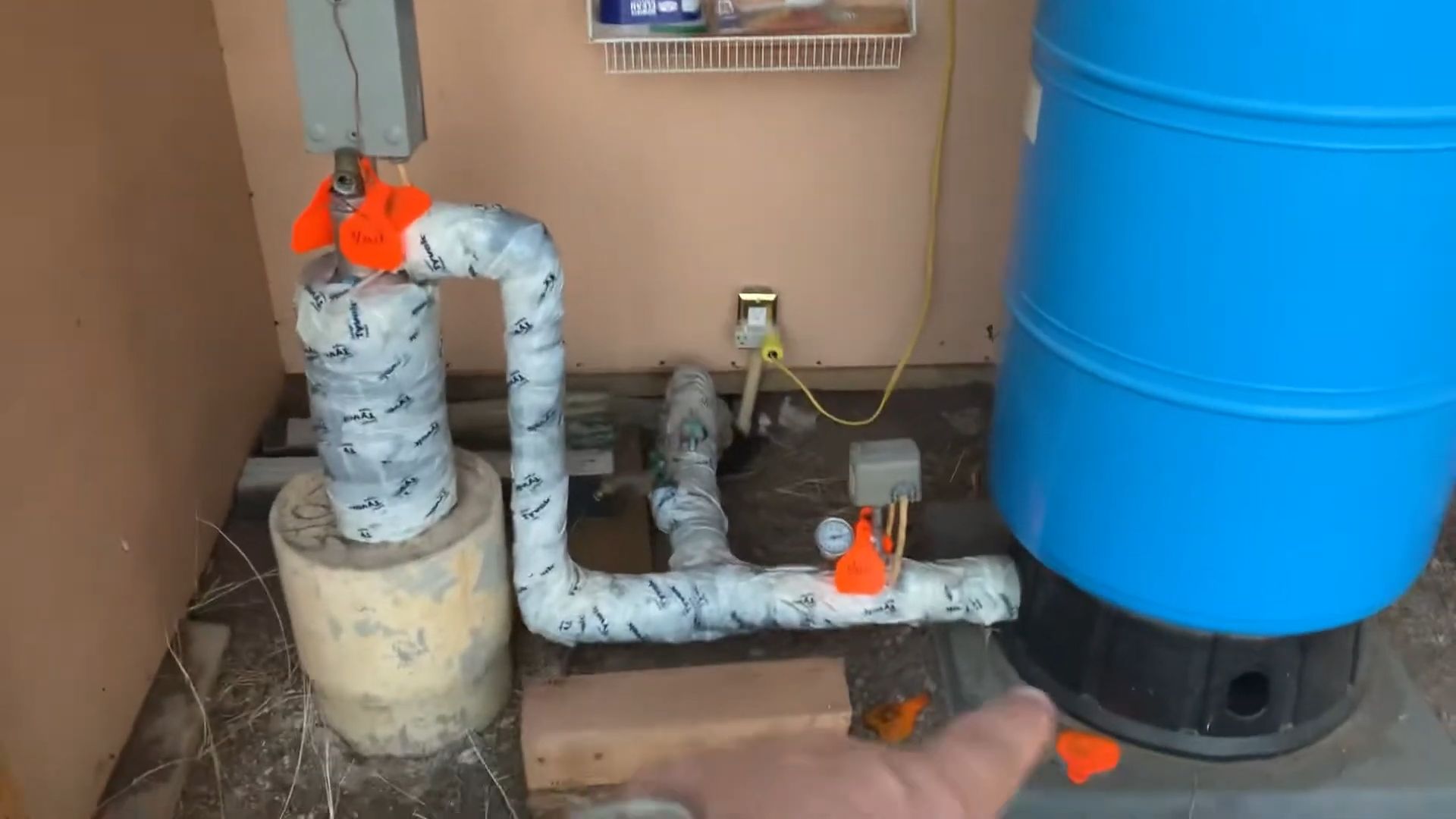
Pressure tanks develop bladder failures reducing effective storage capacity. Failed bladders allow waterlogging eliminating air cushion. Tanks lose pre-charge pressure through valve leaks. These problems cause rapid pressure cycling and reduced peak pressure.
Pressure switches wear out from repeated cycling. Contact pitting increases resistance affecting switching points. Spring fatigue changes cut-in and cut-out pressures. Corroded mechanisms prevent proper operation.
Faulty pressure switches may stick in off positions preventing pump startup. Switches set incorrectly limit maximum pressure below household needs. Professional replacement and adjustment restores proper pressure control.
Control box component failures prevent pumps from receiving proper power. Capacitor deterioration reduces starting torque. Relay failures interrupt power delivery. Wiring problems create resistance lowering voltage at pumps.
Call Shawn at 541-424-2243 for comprehensive Eugene low water pressure diagnosis.
How Do Professionals Diagnose Low Water Pressure Issues?
Systematic diagnostic procedures identify specific causes enabling targeted effective repairs. Professional evaluation saves money avoiding unnecessary component replacement while ensuring complete problem resolution.
Pressure Testing Throughout Systems
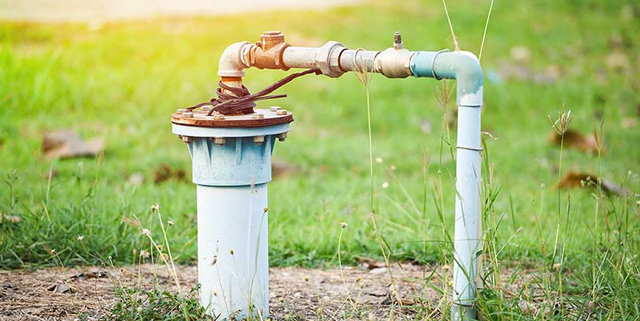
Technicians measure pressure at multiple points identifying where losses occur. Testing at wellheads establishes baseline pump output. Measurements at pressure tanks reveal storage system performance. Fixture testing shows delivered pressure at use points.
Pressure gauge accuracy affects diagnostic reliability. Professional-grade instruments provide precise readings. Cheap gauges show inaccurate values leading to incorrect conclusions. Alpine Pump uses calibrated equipment ensuring measurement accuracy.
Static and dynamic pressure measurements reveal different information. Static readings with no water flowing show maximum system pressure. Dynamic testing during usage identifies pressure drops under load conditions.
Comparing readings between locations pinpoints problem areas. Significant pressure loss between wellhead and tank suggests piping restrictions. Drops between tanks and fixtures indicate distribution system issues. Systematic testing creates diagnostic roadmaps.
Flow Rate Measurements
Actual flow testing determines water delivery capacity. Bucket tests measure gallons per minute output. Flow meter readings provide continuous monitoring during various operating conditions. Data comparison against well and pump specifications reveals performance gaps.
Eugene well permits specify maximum pumping rates protecting aquifers. Testing confirms compliance while evaluating system capacity. Exceeding permitted rates risks regulatory violations and aquifer damage.
Declining flow rates over time indicate developing problems. Baseline measurements from installation provide comparison references. Regular testing tracks performance trends identifying gradual deterioration before complete failures.
Multiple fixture flow testing reveals system capacity under typical usage. Running several outlets simultaneously shows realistic performance. Testing identifies whether problems stem from inadequate capacity or specific component failures.
Electrical System Evaluation
Voltage measurements at control boxes determine adequate power delivery. Low voltage reduces pump performance significantly. Undersized wiring, poor connections, or utility supply problems cause voltage drops.
Current draw analysis reveals motor condition and mechanical loading. Excessive current suggests increased friction from bearing wear or binding. Low current may indicate reduced motor capacity or electrical supply problems.
Control component testing identifies failures affecting pump operation. Capacitor testing using specialized meters reveals deterioration before complete failure. Relay inspection finds contact problems preventing reliable switching.
Grounding verification ensures electrical safety and proper operation. Poor grounds create operational issues and safety hazards. Professional evaluation includes comprehensive electrical system assessment beyond simple pressure measurement.
Learn about Alpine Pump’s well system services for complete Eugene water solutions.
Ready for expert diagnosis? Contact Shawn through Alpine Pump’s contact page for thorough pressure evaluation.
What Solutions Fix Low Well Water Pressure?
Effective repairs depend on accurate diagnosis identifying specific pressure loss causes. Professional solutions range from simple adjustments to complete system upgrades based on problem severity.
Well Rehabilitation Services
Well development removes accumulated sediment and biological growth restoring production capacity. High-pressure jetting dislodges deposits from screens and surrounding formations. Surging techniques open clogged perforations improving water entry.
Chemical treatment dissolves mineral deposits and kills iron bacteria. Acid solutions remove iron oxide and calcium carbonate buildup. Chlorine shock treatments eliminate biological contamination. Professional application ensures effective treatment without well damage.
Brushing and swabbing mechanically clean well casings and screens. Specialized tools reach entire well depths removing stubborn deposits. Physical cleaning complements chemical treatment for comprehensive rehabilitation.
Video inspection evaluates well conditions before and after rehabilitation. Downhole cameras reveal screen condition, casing integrity, and deposit severity. Visual assessment guides treatment approaches and verifies cleaning effectiveness.
Pump Replacement and Upgrades
Installing new pumps restores full production capacity when existing units fail. Modern pumps offer improved efficiency and reliability compared to older models. Proper sizing ensures adequate flow and pressure for household needs.
Upgrading to higher capacity pumps addresses increased demand from property improvements. Additional bathrooms, irrigation systems, or appliances may exceed original pump specifications. Professional calculations determine appropriate sizes avoiding over or undersizing.
Variable-speed constant pressure pumps provide superior performance compared to conventional units. Technology eliminates pressure fluctuations while reducing energy consumption 30-50%. Investment costs more initially but delivers long-term benefits through efficiency and comfort.
Installation includes proper electrical work, torque settings, and system integration. Licensed professionals ensure code compliance and reliable operation. Quality installation maximizes pump longevity and performance.
Pressure System Component Replacement
New pressure tanks restore proper system operation when bladders fail. Correct sizing provides adequate cycling capacity reducing wear. Pre-charge adjustment matches household pressure requirements optimizing performance.
Pressure switch replacement restores accurate pressure control. Adjustable switches allow customizing cut-in and cut-out points. Proper settings balance cycling frequency against pressure variation.
Control box upgrades provide reliable electrical operation. Modern components offer improved durability and performance. Upgraded boxes may include enhanced protection features preventing damage from voltage fluctuations.
Piping modifications eliminate restrictions causing pressure losses. Replacing undersized lines, removing unnecessary fittings, and shortening runs improve flow. Professional plumbing ensures code compliance and leak-free operation.
Call Shawn at 541-424-2243 for Eugene low water pressure repair solutions.
How Much Does Low Water Pressure Repair Cost in Eugene?
Repair costs vary based on problem causes and solution complexity. Understanding typical expenses helps homeowners budget appropriately while recognizing value in professional service.
Diagnostic Service Investment
Comprehensive pressure diagnostics cost $150-$350 depending on testing scope and property accessibility. Basic evaluations include pressure and flow measurements at key points. Extensive diagnostics involve electrical testing, water level measurements, and video inspection.
Diagnostic fees typically apply toward repair costs when homeowners proceed with recommended work. Independent evaluations without repairs carry full diagnostic charges. Investment in proper diagnosis prevents wasted money on incorrect repairs.
Professional diagnostics save money long-term despite upfront costs. Accurate problem identification enables targeted effective repairs. Guessing at causes leads to unnecessary component replacement and continued problems.
Alpine Pump provides detailed diagnostic reports explaining findings and recommended solutions. Clear communication helps homeowners understand issues and make informed decisions about repairs.
Well Rehabilitation Expenses
Development and cleaning services run $500-$1,500 for typical Eugene residential wells. Shallow wells under 100 feet cost less than deep wells requiring extensive work. Severe contamination or deposits increase treatment complexity and expense.
Chemical treatment materials add $100-$400 depending on well depth and problem severity. Acid treatments, chlorination, and specialty products address specific conditions. Professional application ensures safe effective use.
Video inspection services cost $200-$500 providing visual well assessment. Inspection before rehabilitation identifies problems guiding treatment approaches. Post-cleaning inspection verifies work effectiveness documenting improvements.
Some wells require multiple treatment sessions achieving optimal results. Severely degraded wells may need repeated development over several weeks. Persistent problems sometimes indicate well replacement provides better long-term value than continued rehabilitation attempts.
Pump and Component Replacement Costs
Submersible pump replacement runs $1,200-$3,500 for Eugene residential installations. Shallow wells under 100 feet fall toward lower ranges. Deep wells requiring heavy-duty pumps and extensive work approach upper costs.
Constant pressure system upgrades cost $2,500-$5,000 providing superior performance and efficiency. Investment includes VFD controls, compatible pumps, and professional installation. Energy savings and improved comfort justify premium pricing.
Pressure tank replacement costs $300-$800 including tanks, installation, and system recharging. Tank sizing affects pricing with larger units costing more. Professional installation ensures proper pre-charge and connection.
Control box and pressure switch replacement runs $200-$600 depending on component quality and installation complexity. Upgraded controls with enhanced features cost more than basic replacements. Investment in quality components reduces future repair needs.
Explore Alpine Pump’s pricing information for Eugene well repair cost details.
Need pricing for your situation? Contact Shawn via Alpine Pump’s contact page for accurate estimates.
Can Homeowners Fix Low Water Pressure Themselves?
While some maintenance tasks suit DIY approaches, most low water pressure repairs require professional expertise, specialized equipment, and licensing for safe effective results.
Appropriate DIY Maintenance
Homeowners can check pressure tank pre-charge using tire pressure gauges. Tanks typically require 2 PSI below cut-in pressure settings. Low pre-charge causes rapid cycling and reduced peak pressure. Adding air through standard Schrader valves restores proper operation.
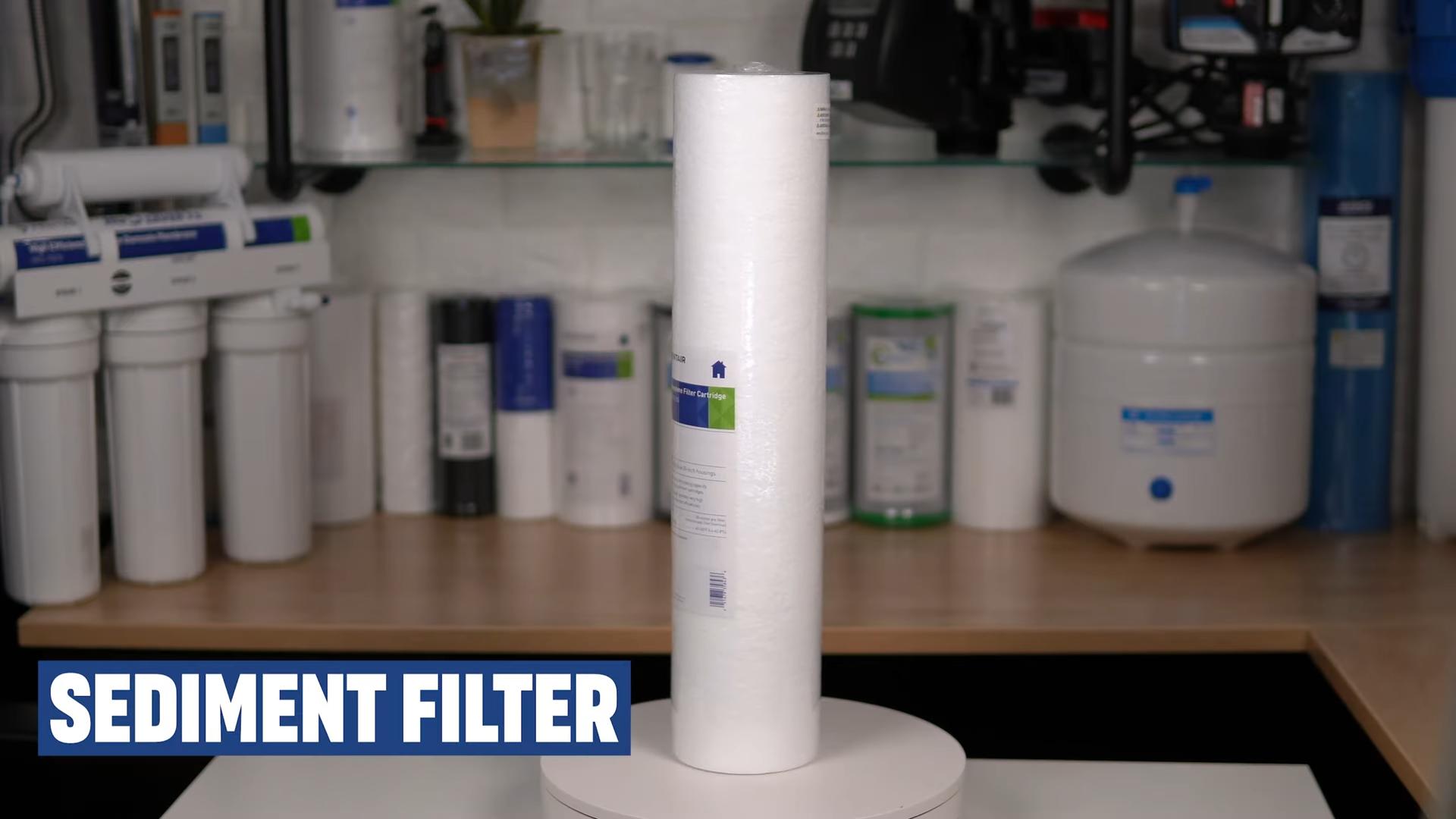
Cleaning sediment filters prevents pressure restrictions from clogged cartridges. Regular filter replacement maintains flow. However, frequent clogging indicates well problems requiring professional evaluation rather than just repeated filter changes.
Inspecting visible piping identifies obvious leaks reducing system pressure. Simple repairs like tightening connections or replacing worn washers improve performance. Major leaks or piping work needs licensed plumber involvement.
Monitoring system performance helps identify developing problems early. Noting gradual pressure decline or increasing cycling frequency alerts homeowners to issues. Early professional intervention prevents minor problems becoming expensive emergencies.
Tasks Requiring Professional Service
Pump work requires specialized equipment and expertise beyond typical homeowner capabilities. Pulling pumps from wells demands proper rigging and safety procedures. Electrical work needs licensed electrician knowledge. Installation errors cause premature failures and safety hazards.
Well rehabilitation uses chemicals and procedures requiring professional training. Improper chemical application damages wells or creates safety hazards. Equipment like jetting tools and surging apparatus isn’t available to homeowners.
Pressure system electrical work involves line voltage presenting shock hazards. Control boxes contain capacitors storing dangerous charges. Licensed professionals understand safety procedures and code requirements.
Diagnostic equipment providing accurate problem assessment costs thousands of dollars. Professional-grade pressure gauges, flow meters, and electrical testers exceed homeowner budgets. Rental options rarely include calibration ensuring accuracy.
Safety and Liability Considerations
Well work involves confined space hazards and heavy equipment. Accidents cause serious injuries or death. Professional services carry liability insurance protecting homeowners from accident costs.
Improper electrical work creates fire and shock hazards. Code violations void insurance coverage if problems cause property damage. Licensed electricians ensure compliant safe installations.
Contamination risks from improper well work threaten water quality. Introducing bacteria or chemicals harms household health. Professionals follow protocols preventing contamination during service.
Permit requirements for many well repairs necessitate licensed contractor involvement. Eugene area regulations protect groundwater quality and public safety. DIY work violating codes creates legal problems and affects property values.
Call Shawn at 541-424-2243 for safe professional Eugene low water pressure repair.
How Does Water Quality Affect Well Pressure?
Water chemistry influences pressure system performance and longevity. Understanding impacts helps homeowners recognize connections between water quality and pressure problems.
Iron and Manganese Effects
Dissolved iron oxidizes forming rust deposits throughout systems. Accumulation in pump impellers reduces efficiency and flow. Buildup in piping restricts flow causing pressure losses. Screen deposits limit well production.
Iron bacteria create slimy deposits clogging wells, pumps, and piping. Biological growth reduces system capacity significantly. Chlorination controls bacteria but doesn’t remove accumulated deposits. Physical cleaning removes buildup restoring function.
Manganese causes similar problems forming black deposits. Combined iron-manganese contamination creates severe operational issues. Eugene area wells often contain both minerals requiring comprehensive treatment approaches.
Water testing identifies iron and manganese concentrations. Levels above 0.3 ppm iron or 0.05 ppm manganese cause staining and operational problems. Treatment systems prevent accumulation protecting pressure system components.
Hard Water and Scale Formation
Calcium and magnesium create scale deposits throughout plumbing and well systems. Buildup in pump housings and impellers reduces efficiency. Piping restrictions from scale accumulation lower pressure.
Pressure switches suffer from scale deposits interfering with operation. Contacts corrode faster in hard water. Mechanical components bind from mineral buildup affecting switching accuracy.
Water softening prevents scale formation protecting equipment. Softeners remove hardness minerals before entering household systems. Treatment costs less than equipment replacement from scale damage.
Eugene water hardness varies by location and aquifer source. Testing determines treatment needs. Some areas require minimal treatment while others need comprehensive softening.
Corrosive Water Challenges
Low pH water attacks metal components causing premature corrosion failures. Pump housings, piping, and pressure tanks deteriorate faster in acidic conditions. Pinhole leaks develop reducing system pressure.
Aggressive water dissolves copper from plumbing creating blue-green staining. Zinc leaching from galvanized components produces white deposits. Metal contamination affects water quality while damaging systems.
pH testing identifies corrosive conditions requiring treatment. Values below 6.5 indicate acidic water needing neutralization. Calcite filters raise pH protecting equipment and improving water quality.
Electrical grounding problems accelerate corrosion through electrolysis. Proper bonding prevents stray current damage. Professional electrical evaluation identifies grounding issues affecting system integrity.
Learn about Alpine Pump’s water treatment solutions for comprehensive Eugene water quality management.
Ready to address water quality issues? Contact Shawn through Alpine Pump’s contact page for integrated treatment and pressure solutions.
What Preventive Maintenance Prevents Low Pressure Problems?
Regular maintenance prevents many low water pressure problems while identifying developing issues before failures occur. Proactive service costs less than emergency repairs while ensuring reliable performance.
Annual Professional Inspections
Yearly system evaluations identify wear and deterioration requiring attention. Pressure testing verifies adequate performance throughout properties. Flow measurements confirm maintained capacity.
Electrical testing reveals developing problems in control components. Voltage and current measurements detect issues before failures. Connection inspection prevents loose terminals causing operational problems.
Pressure tank pre-charge verification ensures proper operation. Bladder testing identifies failures before complete loss of function. Early replacement prevents pressure cycling problems and pump wear.
Water level measurements track well performance trends. Declining levels indicate developing problems requiring investigation. Monitoring provides early warning enabling proactive interventions.
Water Quality Testing and Treatment
Annual water testing monitors chemistry changes affecting systems. Iron, hardness, and pH measurements identify treatment needs. Regular testing catches developing problems before causing damage.
Filter replacement schedules maintain treatment system effectiveness. Clogged filters reduce flow and pressure. Regular changes prevent restrictions while ensuring water quality protection.
Periodic well disinfection controls bacterial growth preventing biofouling. Routine chlorination eliminates contamination before serious accumulation occurs. Preventive treatment costs less than remedial well rehabilitation.
Treatment system maintenance ensures reliable operation. Salt replenishment in softeners, media replacement in filters, and component inspection maintain performance protecting pressure systems.
Equipment Care and Monitoring
Pressure system cleaning removes accumulated sediment and deposits. Regular maintenance prevents buildup restricting flow. Simple cleaning extends component life significantly.
Monitoring cycling frequency identifies developing problems. Increasing cycles suggest bladder failures or leaks requiring attention. Tracking performance trends enables timely interventions.
Visual inspections reveal leaks, corrosion, and physical damage. Catching problems early prevents minor issues becoming major failures. Regular walkthroughs of equipment areas identify obvious problems.
Record keeping tracks maintenance history and system performance. Documentation helps identify patterns and plan future service. Historical data assists professionals diagnosing new problems.
Call Shawn at 541-424-2243 to schedule Eugene preventive well system maintenance.
When Should You Replace Versus Repair Low Pressure Systems?
Deciding between repair and replacement depends on system age, condition, and cost-effectiveness. Professional evaluation helps homeowners make informed decisions balancing immediate costs against long-term value.
Repair Cost Versus Replacement Value
Repairs costing more than 50% of replacement prices often warrant system upgrades. Investing heavily in old equipment postpones inevitable replacement while missing efficiency improvements. New systems provide warranties and modern performance.
Multiple simultaneous component failures suggest overall system deterioration. Replacing pumps, tanks, and controls individually costs more than integrated system upgrades. Comprehensive replacement provides better value and reliability.
Age consideration factors into repair versus replacement decisions. Pumps approaching 15-20 years near typical service life limits. Expensive repairs on old equipment risk additional failures shortly after investment.
Energy efficiency improvements offset replacement costs through operational savings. Modern variable-speed systems reduce electricity consumption 30-50%. Savings accumulate over years justifying initial investment.
System Capacity Adequacy
Property improvements often exceed original system capacity. Additional bathrooms, irrigation systems, or appliances increase demand beyond old system capabilities. Upgrading provides adequate capacity for current needs.
Household size changes affect water requirements. Growing families need higher capacity than systems designed for smaller households. Replacement opportunities allow right-sizing for actual demand.
Well production decline may limit repair effectiveness. Rehabilitating wells with inadequate aquifer capacity provides limited improvement. New deeper wells or supplemental sources may prove more effective long-term solutions.
Pressure requirements for modern fixtures and appliances exceed capabilities of older systems. Low-flow fixtures need adequate pressure for proper operation. Contemporary standards require systems traditional equipment cannot provide reliably.
Technology and Efficiency Improvements
Constant pressure technology offers superior performance unavailable from conventional equipment. Consistent pressure eliminates fluctuations improving comfort significantly. Efficiency gains reduce operating costs while enhancing reliability.
Smart monitoring and control capabilities provide convenience and problem prevention. Remote access allows checking system status from anywhere. Automated alerts warn of developing issues before failures.
Modern materials resist corrosion and scaling better than older components. Stainless steel and engineered plastics outlast traditional materials. Improved longevity reduces long-term maintenance and replacement costs.
Environmental considerations favor efficient modern systems. Water conservation features and energy efficiency align with sustainability goals. Upgrading demonstrates environmental responsibility while reducing utility costs.
Explore Alpine Pump’s system upgrade options for Eugene properties.
Need replacement versus repair guidance? Contact Shawn via Alpine Pump’s contact page for professional consultation.
Key Takeaways
- Low well water pressure stems from declining well production, pump wear, or pressure system component failures requiring professional diagnosis
- Comprehensive testing measuring pressure, flow, and electrical performance identifies specific causes enabling targeted repairs
- Repair costs range from $150-$350 for diagnostics to $1,200-$5,000 for complete system replacement depending on problem severity
- Well rehabilitation, pump replacement, and component upgrades effectively restore pressure when properly matched to specific issues
- Water quality significantly affects pressure system performance with iron, hardness, and acidity causing operational problems
- Annual professional maintenance prevents many pressure problems while identifying developing issues before failures
- Replacement often provides better value than expensive repairs on aging systems, especially with modern efficiency improvements
- DIY maintenance limited to simple tasks like checking tank pressure while professional service needed for pumps, electrical work, and rehabilitation
Low well water pressure disrupts daily life but professional diagnosis and repair restore reliable performance. Alpine Pump Inc. brings over 30 years of Eugene area expertise to every service call. Shawn Turner understands local water conditions, geological characteristics, and equipment requirements ensuring effective solutions. Whether simple adjustments or complete system replacement, professional service delivers lasting results impossible through trial-and-error approaches.
Stop struggling with low water pressure. Call Shawn at 541-424-2243 for expert Eugene well system diagnosis and repair service.
Frequently Asked Questions
Q: How quickly can low water pressure problems be fixed?
A: Simple repairs like pressure adjustments or tank recharging complete in 1-2 hours. Component replacement takes 2-4 hours depending on accessibility. Well rehabilitation requires 1-2 days for treatment and recovery. Complete pump replacement needs 4-8 hours for typical installations. Emergency service availability depends on seasonal demand and parts inventory. Call Shawn at 541-424-2243 for Eugene service timeframes.
Q: Will low water pressure damage appliances or fixtures?
A: Inadequate pressure reduces appliance efficiency and performance but rarely causes direct damage. Dishwashers may not clean properly. Washing machines extend cycle times. Water heaters operate less efficiently. However, pressure fluctuations from failing systems can stress appliances. Addressing pressure problems prevents secondary issues and maintains appliance performance.
Q: Can low pressure indicate contaminated water?
A: Pressure problems don’t necessarily indicate contamination though causes sometimes overlap. Iron bacteria reducing pressure also affects water quality. Well problems causing pressure loss may introduce sediment. Professional evaluation includes water quality assessment when appropriate. Testing determines whether treatment needs accompany pressure repairs.
Q: How long do pressure repairs last?
A: Repair longevity depends on solution type and water quality. Properly installed pumps last 15-25 years. Pressure tanks provide 10-15 years service. Well rehabilitation effectiveness varies from 3-10 years depending on water chemistry and aquifer conditions. Quality components and professional installation maximize repair durability.
Q: Do all low pressure problems require well work?
A: No, many pressure issues stem from above-ground components. Pressure tanks, switches, and control boxes commonly cause problems without well involvement. Piping restrictions and fixture issues create localized pressure loss. Professional diagnosis determines whether well work is necessary avoiding unnecessary expensive well service.
Q: Can water treatment systems cause low pressure?
A: Yes, clogged filters and undersized treatment equipment restrict flow reducing pressure. Dirty sediment filters are common culprits. Iron filters with excessive media or inadequate backwashing cause restrictions. Regular filter changes and proper treatment system sizing prevent pressure problems. Existing treatment systems need evaluation during pressure diagnosis.
Q: How often should well systems be tested for pressure?
A: Annual pressure testing during routine maintenance identifies developing problems. More frequent testing helps when noticing gradual decline or after repairs. New property owners should establish baseline measurements for future comparison. Testing costs little compared to benefits of early problem detection.
Q: Will increasing pressure settings solve low pressure problems?
A: Adjusting settings helps only when pressures are set too low for needs. Actual pressure problems from equipment failures or well issues won’t improve from setting changes. Excessive pressure settings stress plumbing and waste energy without addressing root causes. Professional diagnosis determines appropriate settings based on system capabilities.
Q: Do Eugene regulations affect low pressure repairs?
A: Well work permits protect groundwater quality. Major repairs, pump replacements, and rehabilitation often require permits. Licensed contractors handle permit requirements. Homeowner DIY work on wells typically violates regulations. Professional service ensures compliant repairs protecting property values and water resources.
Q: How can I prevent low water pressure problems?
A: Annual professional maintenance catches developing issues early. Regular water quality testing identifies problems requiring treatment. Monitoring system performance notes gradual changes. Avoiding excessive demand protects systems from overwork. Quality initial installation provides reliable foundation. Preventive care costs less than emergency repairs while ensuring reliable service. Call Shawn at 541-424-2243 for Eugene preventive maintenance programs.