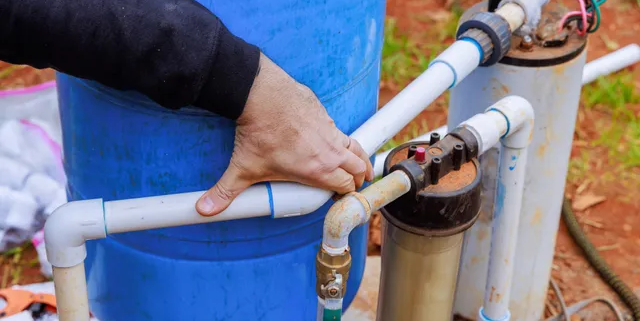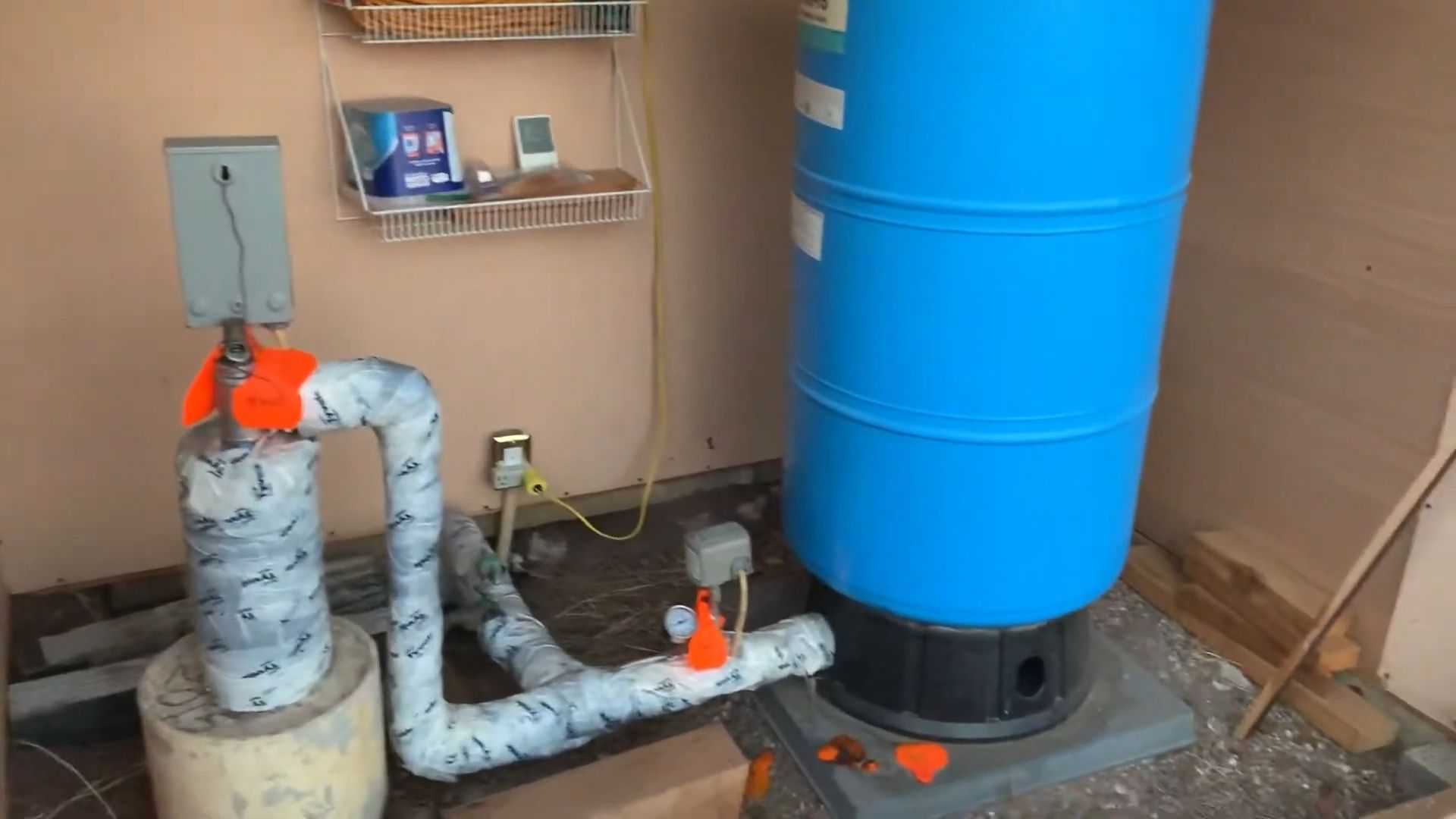
Constant Pressure System Installation: Eugene & Corvallis Premium Water Solutions
Constant pressure system installation revolutionizes water delivery for Eugene and Corvallis homes, eliminating frustrating pressure fluctuations. Discover how advanced technology creates hotel-quality water pressure throughout your property.
Ready for consistent water pressure? Call Shawn at 541-424-2243 for Alpine Pump Inc.’s expert constant pressure system installation in Eugene and Corvallis.
Traditional well pumps create noticeable pressure swings during daily use. Showers turn scalding when toilets flush. Sprinklers sputter when dishwashers start. These annoyances result from conventional on-off pump operation and inadequate pressure regulation.
Constant pressure systems eliminate these problems using variable-speed technology. Pumps adjust output matching real-time demand, maintaining steady pressure whether using one fixture or ten simultaneously. Water flow stays smooth and consistent.
Alpine Pump Inc. serves Eugene, Corvallis, and surrounding communities with over three decades of well system expertise. Shawn Turner specializes in constant pressure system installation, transforming ordinary well systems into premium water delivery platforms.
Common signs you need constant pressure technology:
- Pressure drops when multiple fixtures operate together
- Temperature fluctuations during showers
- Irrigation systems with uneven coverage
- Appliances struggling with inconsistent water supply
How Do Constant Pressure Systems Work?
Understanding the technology behind constant pressure system installation helps homeowners appreciate performance benefits and operational efficiency improvements over traditional equipment.
Variable Frequency Drive Technology
Variable frequency drives (VFDs) control electric motor speed by adjusting power frequency and voltage. Traditional pumps run at fixed speeds, either full-on or completely off. VFDs allow infinite speed adjustment between minimum and maximum ranges.
When water demand increases, the VFD accelerates pump motors delivering additional flow. Light usage triggers motor deceleration reducing output. This continuous adjustment maintains preset pressure targets regardless of consumption patterns.
Sophisticated electronics monitor pressure sensors multiple times per second. Microprocessors calculate necessary speed adjustments responding instantly to changing conditions. According to the U.S. Department of Energy, variable-speed drives reduce energy consumption 30-50% compared to constant-speed motors in variable-load applications.
Control algorithms optimize performance balancing pressure stability with energy efficiency. Gradual acceleration and deceleration protect motors and plumbing from stress. Soft starts eliminate electrical surges typical with conventional pump starters.
Pressure Transducer Monitoring
Precision pressure transducers replace mechanical pressure switches in constant pressure system installation. These electronic sensors detect pressure changes as small as 0.1 PSI. Continuous monitoring provides real-time feedback guiding VFD adjustments.
Transducers mount in pressure tanks or directly on discharge piping. Strategic placement ensures accurate readings representing household pressure conditions. Quality sensors withstand temperature extremes, vibration, and moisture common in well environments.
Digital signal processing filters out temporary pressure spikes from valve closures or pump startups. Controllers respond to genuine demand changes while ignoring momentary fluctuations. This intelligence prevents unnecessary speed adjustments and system hunting.
Sensor reliability critically affects constant pressure system installation performance. Premium transducers deliver years of accurate service while cheap components drift or fail prematurely. Professional installers specify appropriate sensors matching system requirements.
System Component Integration
Complete constant pressure systems integrate multiple components working together seamlessly. Submersible pumps designed for variable-speed operation handle frequent speed changes without premature wear. Motors feature robust construction tolerating VFD power characteristics.
Pressure tanks in constant pressure system installation serve different purposes than traditional systems. Rather than storing significant water volumes, tanks provide thermal mass stabilizing pressure and reducing micro-cycling. Smaller tanks work effectively since pumps modulate continuously.
Control panels house VFDs, transducers, and programming interfaces. User-friendly displays show current pressure, flow rates, and system status. Adjustable parameters allow customizing performance matching specific property needs.
Wiring and electrical protection meet VFD requirements different from conventional pumps. Shielded cables prevent electromagnetic interference. Proper grounding and surge protection safeguard sensitive electronics. Professional constant pressure system installation addresses these specialized electrical needs.
Call Shawn at 541-424-2243 for expert Eugene constant pressure system design and installation.
What Benefits Do Constant Pressure Systems Provide?
Investing in constant pressure system installation delivers multiple advantages beyond stable water pressure. These benefits improve daily comfort, protect equipment, and reduce operating costs.
Consistent Water Pressure
Steady pressure throughout homes eliminates common frustrations. Showers maintain comfortable temperatures regardless of other water usage. No sudden temperature changes when toilets flush or washing machines fill.
Irrigation systems deliver uniform coverage across entire zones. Sprinkler heads perform as designed without weak spots from pressure variations. Landscaping receives consistent watering promoting healthy growth.
Appliances operate optimally with stable water supply. Dishwashers clean effectively, water heaters function efficiently, and washing machines complete cycles properly. Manufacturers design equipment assuming consistent pressure that traditional well systems cannot provide.
Multiple simultaneous users enjoy full pressure. Large families running several showers, doing laundry, and washing dishes experience no pressure loss. Every fixture receives adequate flow maintaining household comfort.
Energy Efficiency Improvements
Variable-speed operation dramatically reduces electricity consumption compared to conventional pumps. Motors running at partial speed use exponentially less power than full-speed operation. Energy savings reach 30-50% for typical residential applications.
Reduced cycling frequency extends motor life significantly. Traditional pumps start and stop dozens of times daily. Each startup draws six to eight times normal running current, generating heat and mechanical stress. Constant pressure system installation minimizes cycling protecting motors.
Soft acceleration and deceleration eliminate electrical surges. Gradual speed ramping draws steady current preventing voltage drops affecting other household devices. Power quality improves throughout electrical systems.
Smart controls optimize efficiency based on real-time conditions. Systems learn usage patterns adjusting operation for maximum savings. Nighttime or vacation modes reduce baseline operation when demand drops.
Equipment Longevity
Constant pressure system installation reduces wear on pumps and plumbing extending service life substantially. Smooth operation eliminates water hammer and pressure surges damaging pipes, fittings, and fixtures.
Gradual pressure changes prevent seal failures and gasket deterioration. Traditional pressure cycles stress connections repeatedly. Constant pressure operation maintains stable conditions reducing mechanical fatigue.
Motors benefit from continuous operation at moderate speeds versus repeated high-load startups. Bearing wear decreases with smooth running conditions. Thermal cycling reduces protecting motor windings and insulation.
Pressure tanks last longer in constant pressure applications. Bladders experience less expansion and contraction. Tank interiors suffer reduced corrosion from stable conditions. Overall system reliability improves dramatically.
Learn about Alpine Pump’s well pump services for comprehensive Eugene and Corvallis water solutions.
Contact Shawn through Alpine Pump’s contact page to discuss constant pressure system benefits for your property.
Which Properties Benefit Most from Constant Pressure Installation?
While any property gains from constant pressure system installation, certain situations deliver exceptional value making investment particularly worthwhile.
Large Households with High Demand
Families with four or more members typically use multiple fixtures simultaneously. Morning routines involve overlapping showers, toilet use, and kitchen activity. Traditional systems cannot maintain adequate pressure during peak usage.
Constant pressure technology ensures everyone enjoys comfortable showers regardless of timing. Water pressure stays consistent whether one person or four shower simultaneously. Kitchen and bathroom fixtures operate normally during peak demand periods.
Homes with multiple bathrooms particularly benefit from constant pressure system installation. Guest visits and family gatherings create simultaneous usage across different areas. Systems automatically adjust providing sufficient pressure everywhere.
Properties with teenagers and young adults experience heavy water consumption. Long showers, frequent laundry, and continuous fixture use challenge conventional systems. Constant pressure installation eliminates conflicts over water usage timing.
Homes with Extensive Irrigation
Landscape irrigation systems require steady pressure for proper operation. Sprinkler head performance depends on consistent pressure delivering designed flow rates and coverage patterns. Pressure variations create dry spots and overwatered areas.
Large irrigation zones with numerous heads benefit tremendously from constant pressure system installation. Systems maintain preset pressure regardless of how many zones operate simultaneously. Coverage uniformity improves across entire properties.
Drip irrigation relies on precise pressure maintaining proper flow rates through emitters. Pressure fluctuations cause uneven watering potentially damaging plants. Constant pressure ensures accurate delivery benefiting gardens, vineyards, and orchards.
Properties combining household use and irrigation especially need constant pressure technology. Running sprinklers while using indoor fixtures typically crashes pressure on conventional systems. Constant pressure installation handles combined loads effortlessly.
Multi-Story Homes
Vertical elevation challenges conventional well systems. Upper floors experience lower pressure due to gravity. Pressure loss increases with height making third-floor bathrooms particularly problematic.
Constant pressure system installation compensates for elevation automatically. Controllers sense reduced pressure from height, increasing pump speed to maintain targets. Every floor receives adequate pressure without additional booster pumps.
Split-level homes with fixtures at various elevations benefit similarly. Basement, main floor, and upper-level plumbing all receive consistent pressure. No compromises or workarounds needed accommodating architectural features.
Properties on hillsides with significant elevation changes from wells to homes require pressure compensation. Constant pressure technology calculates necessary pressure increases automatically. Systems deliver reliable performance regardless of topography.
Call Shawn at 541-424-2243 to determine if Eugene constant pressure system installation suits your property.
How Does Installation Differ from Traditional Well Systems?
Constant pressure system installation involves specialized components and procedures beyond conventional well pump work. Understanding differences helps homeowners recognize quality professional service.
Pump Selection Requirements
Not all submersible pumps work effectively with variable-frequency drives. Constant pressure system installation requires motors designed for VFD operation. Standard pumps may overheat or fail prematurely under variable-speed conditions.
VFD-compatible motors feature enhanced cooling and insulation systems. Windings tolerate harmonic distortion from electronic speed control. Bearings handle varying loads across wide speed ranges. Premium construction costs more but ensures reliable constant pressure operation.
Pump sizing calculations differ from traditional installations. Rather than selecting pumps delivering maximum flow at fixed speeds, constant pressure requires pumps covering entire demand ranges efficiently. Professional calculations match pump curves to household needs.
Pump depth placement considers minimum submergence requirements across varying speeds. Slower operation requires less water above intakes than full-speed running. Proper depth prevents pump damage during low water level periods.
Control System Configuration
Sophisticated control panels distinguish constant pressure system installation from basic well work. VFD programming requires technical knowledge beyond simple pressure switch adjustment. Parameters include acceleration rates, deceleration timing, minimum and maximum speeds, and pressure targets.
Pressure settings establish system operating points. Controllers maintain selected pressure regardless of demand fluctuations. Settings typically range from 50-70 PSI matching household needs and plumbing capabilities.
Safety features protect systems from abnormal conditions. Low-water cutoffs prevent pump damage when wells recover slowly. Overload protection guards motors from excessive current draw. Fault detection alerts homeowners to problems requiring attention.
User interfaces vary from basic displays to advanced touchscreen controls. Programming accessibility allows adjusting settings without service calls. However, professional setup ensures optimal initial configuration for constant pressure system installation.
Electrical Considerations
VFD electrical requirements differ from conventional motor starters. Dedicated circuits prevent interference affecting other household devices. Circuit breaker sizing accounts for VFD characteristics rather than simple motor full-load amperage.
Proper grounding is critical in constant pressure system installation. VFDs generate electrical noise potentially causing interference without adequate grounding. Licensed electricians ensure compliant installations meeting National Electrical Code standards.
Surge protection guards expensive VFD electronics from voltage spikes. Lightning arrestors and transient voltage suppressors prevent damage from storms and utility grid fluctuations. Investment protection requires comprehensive electrical safeguards.
Wire sizing accommodates VFD current characteristics. While running current may be lower than conventional starters, cable selection considers harmonic content and voltage drop. Professional installations specify appropriate conductors ensuring reliable operation.
Explore Alpine Pump’s irrigation solutions for integrated Eugene and Corvallis property water management.
Ready for professional installation? Contact Shawn via Alpine Pump’s contact page for expert service.
What Does Constant Pressure System Installation Cost?
Investment in constant pressure technology varies based on equipment selection, installation complexity, and existing system conditions. Understanding cost factors helps budget appropriately.
Equipment Investment
Variable-frequency drive controls cost $800-$2,000 depending on pump horsepower and feature sophistication. Basic VFDs provide pressure regulation without advanced monitoring. Premium controllers offer remote access, detailed diagnostics, and extensive programming options.
VFD-compatible submersible pumps add $200-$500 over standard models. Enhanced motor construction and specialized windings increase manufacturing costs. However, longevity and reliability justify price premiums for constant pressure system installation.
Pressure transducers range from $100-$400 based on accuracy, durability, and output signal type. Quality sensors maintain calibration for years while cheap units drift requiring frequent adjustment. Professional installers specify appropriate transducers matching system requirements.
Pressure tanks for constant pressure applications cost $150-$600. Smaller tanks work effectively since systems don’t rely on stored water. Tank selection considers thermal mass requirements rather than storage capacity.
Installation Labor Costs
Professional constant pressure system installation labor runs $600-$1,500 depending on project scope. Retrofitting existing wells with constant pressure technology costs less than complete new installations. Complex electrical work increases labor expenses.
Electrical modifications add $300-$800 to projects. Dedicated circuits, proper grounding, and surge protection require licensed electrician service. Code compliance and safety justify electrical investment protecting expensive equipment.
Programming and system optimization take additional time beyond basic installation. Controllers require proper configuration matching specific property characteristics. Professional setup ensures maximum performance and efficiency from constant pressure system installation.
Testing and calibration verify system operation before completing projects. Pressure verification at multiple fixtures confirms adequate performance throughout properties. Flow testing ensures pumps deliver required capacity across speed ranges.
Total Project Investment
Complete constant pressure system installation typically costs $2,500-$5,000 for Eugene and Corvallis residential properties. Basic retrofits of existing systems fall toward lower ranges. New well installations with premium constant pressure equipment approach upper limits.
Upgrading during pump replacement offers cost advantages. Labor required for well access occurs regardless of system type. Incremental constant pressure upgrade costs less than separate retrofit projects. Planning ahead maximizes value.
Energy savings offset initial investment over system life. Monthly electricity reductions of $20-$50 accumulate to hundreds of dollars annually. Typical payback periods run 3-7 years depending on usage patterns and electricity rates.
Equipment longevity improvements provide additional value. Extended pump and plumbing life reduces long-term replacement costs. Reliability and reduced maintenance contribute to total cost of ownership advantages.
Call Shawn at 541-424-2243 for detailed Eugene constant pressure system cost estimates.
How Do Constant Pressure Systems Compare to Alternatives?
Evaluating constant pressure system installation against other pressure regulation methods helps homeowners select optimal solutions for specific situations.
Traditional Pressure Tank Systems
Conventional well systems use pressure switches and storage tanks maintaining pressure within preset ranges. Pumps start when pressure drops to cut-in points and stop upon reaching cut-out settings. Typical ranges span 20 PSI between starts and stops.
Pressure varies continuously between switch points. Users experience highest pressure immediately after pump shutoff and lowest just before pump startup. Fluctuations affect shower temperatures, appliance performance, and irrigation uniformity.
Large pressure tanks reduce cycling frequency but don’t eliminate pressure swings. Bigger tanks cost more, require additional space, and still allow pressure variations. Traditional systems cannot match constant pressure installation performance regardless of tank sizing.
Energy consumption runs higher with conventional systems. Full-speed motor operation uses maximum electricity regardless of actual demand. Frequent cycling adds startup surge costs accumulating over time.
Booster Pump Systems
Booster pumps increase pressure for specific areas or fixtures without modifying main well pumps. Common applications include upper-floor bathrooms, distant irrigation zones, or pressure-demanding appliances.
Installation costs run $500-$2,000 per booster pump depending on capacity and features. Multiple boosters needed for comprehensive coverage exceed constant pressure system installation costs. Each booster requires separate maintenance and eventual replacement.
Energy consumption multiplies with multiple boosters. Each unit draws electricity independently adding to overall usage. Constant pressure systems provide whole-house benefits using single variable-speed pumps more efficiently.
Reliability concerns increase with booster pumps adding components subject to failure. Additional maintenance requirements include checking valves, monitoring performance, and servicing motors. Constant pressure installation simplifies systems reducing maintenance complexity.
CSV Pumps (Cycle Stop Valves)
Cycle stop valve systems use mechanical pressure regulation valves limiting pump output. Pumps run continuously at full speed while valves throttle flow maintaining steady pressure. This approach reduces cycling compared to traditional systems.
CSV installations cost $400-$1,200 less than full constant pressure systems. However, energy savings fall short of variable-speed technology. Pumps running full speed continuously consume more electricity than speed-modulated operation.
Mechanical valve wear requires eventual replacement. Moving parts subject to water flow deteriorate over time. Constant pressure system installation uses electronic controls without wearing mechanical components.
Pressure regulation precision doesn’t match electronic constant pressure systems. Mechanical valves provide improved pressure stability over conventional systems but cannot achieve VFD-level consistency. Performance falls between traditional and constant pressure technologies.
Learn about Alpine Pump’s well system options for Corvallis area properties.
Contact Shawn through Alpine Pump’s contact page to compare pressure solutions for your situation.
What Maintenance Do Constant Pressure Systems Require?
Proper maintenance maximizes constant pressure system installation benefits ensuring reliable long-term performance. Regular service prevents problems and identifies developing issues early.
Annual Professional Inspections
Technicians examine systems annually verifying proper operation. Pressure testing confirms accurate regulation across various flow rates. Transducer calibration checks ensure sensors maintain accuracy.
VFD diagnostics reveal developing electrical issues before failures occur. Controllers log fault histories helping identify patterns suggesting preventive maintenance needs. Software updates improve performance and add features as manufacturers release enhancements.
Motor current analysis detects increased resistance indicating bearing wear or other mechanical problems. Early detection allows planned maintenance avoiding emergency failures. Professional inspection protects constant pressure system installation investments.
Electrical connection inspection prevents loose terminals causing failures. Heat cycling from normal operation gradually loosens connections. Tightening terminals during annual service maintains reliable electrical performance.
Pressure Transducer Care
Transducer accuracy gradually drifts over years of service. Annual calibration verification compares sensor readings against known pressure standards. Adjustments restore accuracy when drift exceeds acceptable tolerances.
Physical inspection identifies corrosion or damage affecting sensor performance. Moisture intrusion into electrical connections causes false readings or complete failure. Waterproof connection maintenance prevents these problems.
Sensor replacement typically occurs every 5-10 years depending on water quality and operating conditions. Harsh water chemistry accelerates deterioration. Planning replacements before complete failure prevents system downtime.
Installation location affects sensor longevity. Transducers mounted in clean, protected environments last longer than those exposed to sediment or extreme temperatures. Professional constant pressure system installation considers sensor placement optimizing durability.
VFD Component Service
Cooling fan inspection ensures adequate ventilation preventing electronic overheating. Dust accumulation blocks airflow reducing cooling effectiveness. Periodic cleaning maintains proper thermal management protecting sensitive components.
Capacitor testing identifies deterioration before failures. VFD power supply capacitors age from heat and electrical stress. Proactive replacement prevents unexpected breakdowns interrupting water service.
Software backups preserve custom programming protecting against corruption or accidental changes. Stored configurations enable quick restoration if controllers require replacement. Professional service includes backup procedures safeguarding settings.
Harmonic filter inspection maintains power quality protecting motors and electronics. Filters degrade gradually losing effectiveness. Replacement maintains clean electrical operation extending equipment life beyond typical constant pressure system installation expectations.
Call Shawn at 541-424-2243 to schedule Eugene constant pressure system maintenance.
How Does Water Quality Affect Constant Pressure Performance?
Water chemistry influences constant pressure system installation longevity and performance. Understanding impacts helps homeowners optimize system reliability through appropriate water treatment.
Hard Water Challenges
Calcium and manganese minerals create scale deposits throughout plumbing systems. Scale accumulation inside pressure transducers causes false readings and calibration drift. Sensor ports clog reducing response time or causing complete failures.
Pump impellers collect scale reducing efficiency and flow capacity. Variable-speed operation may accelerate buildup compared to constant full-speed running. Regular pump inspection identifies scale accumulation requiring cleaning or replacement.
Water softening prevents scale formation protecting constant pressure system installation. Softeners remove hardness minerals before water enters pumps and controls. Treatment costs less than equipment replacement or reduced performance from scaling.
Bypass loops around softeners supply untreated water for irrigation preserving softener capacity. Outdoor use doesn’t benefit from softening while consuming significant volumes. Separate lines optimize water treatment efficiency.
Iron and Sediment Issues
Iron bacteria create slimy deposits clogging sensors and pump screens. Biological growth interferes with pressure transducer operation causing erratic readings. Periodic disinfection controls bacteria preventing accumulation.
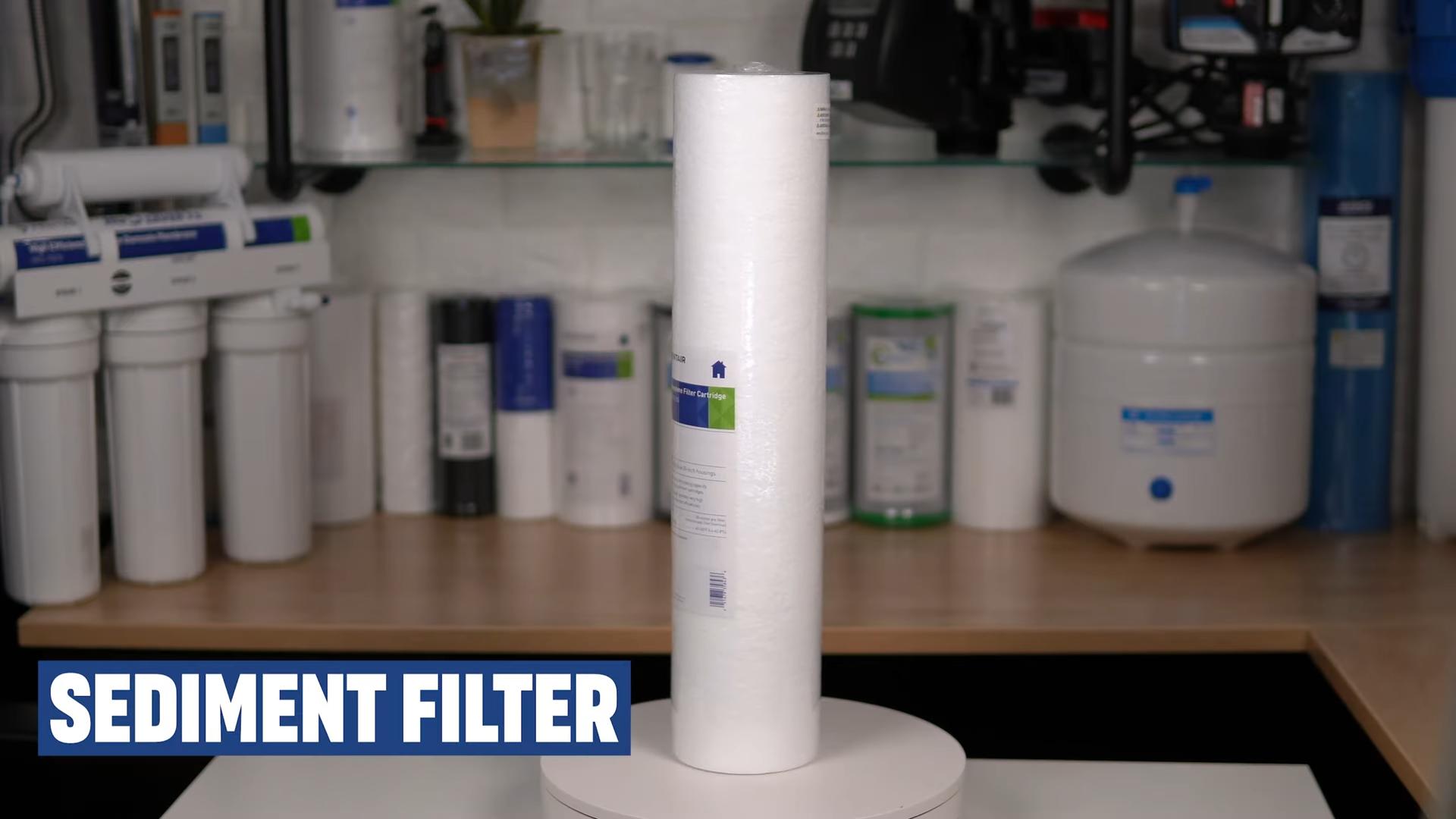
Sediment from sandy aquifers abrades pump impellers and damages seals. Fine particles pass through screens entering pumps and controls. Constant pressure system installation in high-sediment wells needs pre-filtration protecting equipment.
Iron oxidation creates rust staining fixtures and clogging transducer ports. Oxidizing filters remove dissolved iron before entering household systems. Treatment prevents staining while protecting constant pressure components.
Well maintenance including periodic development and cleaning reduces sediment and bacterial problems. Professional well service complements constant pressure system installation maintaining water quality supporting equipment longevity.
Corrosive Water Conditions
Low pH water attacks metal components causing premature corrosion failures. Pump housings, fittings, and pressure sensors deteriorate faster in acidic conditions. Water testing identifies pH problems requiring treatment.
Neutralizing filters raise pH preventing corrosive damage. Calcite or other alkaline media increases pH to neutral ranges. Treatment protects expensive constant pressure system installation from accelerated deterioration.
Galvanic corrosion occurs when dissimilar metals contact in water. Proper material selection during constant pressure system installation prevents galvanic problems. Stainless steel and bronze components resist corrosion better than cheaper alternatives.
Electrical grounding issues can accelerate corrosion through stray current. Proper bonding and grounding during installation prevents electrical corrosion protecting system integrity.
Explore Alpine Pump’s water treatment solutions for comprehensive Eugene water quality management.
Ready to optimize your water quality? Contact Shawn via Alpine Pump’s contact page for integrated treatment and pressure solutions.
What Advanced Features Enhance Constant Pressure Systems?
Modern constant pressure system installation incorporates technology beyond basic pressure regulation. Advanced features improve convenience, efficiency, and system intelligence.
Remote Monitoring Capabilities
Wi-Fi enabled controllers connect constant pressure systems to home networks. Smartphone apps provide real-time monitoring from anywhere with internet access. Users check current pressure, flow rates, and system status remotely.
Historical data tracking reveals usage patterns and trends. Graphs show daily, weekly, and monthly consumption helping identify leaks or unusual activity. Data analysis supports water conservation and system optimization efforts.
Alert notifications warn of abnormal conditions requiring attention. Low pressure, high current draw, or fault conditions trigger immediate messages. Early warning prevents minor issues becoming expensive emergencies.
Remote control allows adjusting pressure settings and operational parameters without accessing equipment. Vacation modes reduce baseline operation during extended absences. Seasonal adjustments optimize performance for changing irrigation demands.
Flow Monitoring and Analysis
Precision flow meters measure real-time water consumption. Accurate data enables sophisticated usage analysis beyond simple monitoring. Detailed information supports conservation efforts and leak detection.
Leak detection algorithms identify continuous flow indicating plumbing problems. Systems alert homeowners to potential leaks before significant damage occurs. Early detection saves water and prevents property damage.
Zone monitoring tracks individual circuit consumption when integrated with irrigation controllers. Comparative analysis reveals inefficient zones needing attention. Optimization improves landscape health while reducing water waste.
Trend analysis predicts future demands based on historical patterns. Systems anticipate seasonal changes adjusting operation proactively. Intelligent constant pressure system installation adapts to property needs automatically.
Integration with Smart Home Platforms
Modern constant pressure systems integrate with home automation platforms. Voice control through Amazon Alexa or Google Assistant provides convenient system interaction. Simple commands check status or adjust settings.
Home automation routines incorporate well system control. Vacation modes activate automatically when security systems arm. Irrigation integration coordinates outdoor watering with weather forecasts.
Energy management systems optimize pump operation around time-of-use electricity rates. Smart scheduling runs pumps during lower-rate periods when possible. Coordination with solar installations maximizes renewable energy utilization.
Integration with whole-house leak detection systems provides comprehensive water management. Multiple sensors throughout properties communicate with constant pressure controllers. Coordinated response to detected leaks minimizes damage.
Call Shawn at 541-424-2243 to explore advanced Eugene constant pressure system features.
Key Takeaways
- Constant pressure system installation costs $2,500-$5,000 for Eugene and Corvallis properties delivering consistent water pressure eliminating traditional well system fluctuations
- Variable-frequency drive technology reduces energy consumption 30-50% compared to conventional pumps while extending equipment life through reduced cycling
- Large households, properties with extensive irrigation, and multi-story homes benefit most from constant pressure installation
- VFD-compatible pumps, precision pressure transducers, and sophisticated controls distinguish constant pressure from traditional well systems
- Annual professional maintenance including calibration checks, electrical inspections, and diagnostics ensures reliable long-term performance
- Water quality impacts constant pressure system longevity making appropriate treatment important for optimal operation
- Advanced features including remote monitoring, flow analysis, and smart home integration enhance convenience and efficiency
Constant pressure technology transforms well water delivery from basic utility to premium household amenity. Alpine Pump Inc. brings over 30 years of Eugene and Corvallis well system experience to every constant pressure system installation. Shawn Turner understands local water conditions, electrical requirements, and property characteristics ensuring optimal system performance. Professional installation delivers consistent pressure, energy savings, and equipment longevity impossible with conventional well systems.
Experience hotel-quality water pressure in your home. Call Shawn at 541-424-2243 for expert Eugene and Corvallis constant pressure system installation.
Frequently Asked Questions
Q: Can constant pressure systems be added to existing wells?
A: Yes, most existing wells accommodate constant pressure system retrofits. Projects require VFD-compatible pumps, pressure transducers, and control upgrades. Wells need adequate production capacity supporting variable-speed operation. Professional evaluation determines feasibility and identifies necessary modifications. Retrofits typically cost less than complete new installations while delivering full constant pressure benefits.
Q: How much electricity do constant pressure systems save?
A: Energy savings range from 30-50% compared to traditional well systems. Actual reductions depend on usage patterns, well depth, and household demand. Variable-speed operation uses exponentially less power at partial speeds than full-speed running. Most Eugene and Corvallis homeowners save $20-$50 monthly. Annual savings accumulate to $240-$600 offsetting installation costs over time.
Q: What pressure settings work best for residential properties?
A: Most homes operate effectively at 50-60 PSI constant pressure. Higher pressures stress plumbing and waste water through faster fixture flow. Lower pressures may inadequately serve upper floors or distant fixtures. Professional constant pressure system installation calibrates settings matching property characteristics. Settings adjust easily accommodating changing needs or preferences.
Q: Do constant pressure systems work with water treatment equipment?
A: Yes, constant pressure integrates well with filtration, softening, and other treatment systems. Coordination ensures adequate flow through treatment equipment. Filter pressure drop calculations factor into pump sizing and pressure setting selection. Some installations require treatment system upgrades matching constant pressure flow capabilities. Professional design integrates treatment and pressure control optimally.
Q: How long do constant pressure systems last?
A: Quality constant pressure system installation typically provides 15-20 years of reliable service. VFD electronics may need replacement every 10-15 years. Pumps last 15-25 years depending on water quality and operating conditions. Pressure transducers require replacement every 5-10 years. Overall system longevity exceeds traditional equipment through reduced mechanical stress. Call Shawn at 541-424-2243 for longevity discussion.
Q: Can I adjust constant pressure settings myself?
A: Many systems allow homeowner pressure adjustments through user-friendly interfaces. Controllers provide settings access without requiring professional service. However, initial setup and optimization should involve professional calibration. Improper settings may reduce efficiency, shorten equipment life, or inadequately serve household needs. Annual professional reviews ensure optimal configuration.
Q: What happens during power outages?
A: Constant pressure systems lose operation during power failures like traditional pumps. Pressure tanks provide temporary water from stored volume. Tank size determines available water during outages. Backup generators restore operation quickly. Some homeowners install manual bypass systems allowing basic pump operation without VFD control during emergencies.
Q: Do constant pressure systems work for irrigation?
A: Constant pressure provides superior irrigation performance compared to traditional systems. Sprinkler heads receive designed pressure ensuring proper coverage and efficiency. Large irrigation zones benefit especially from consistent pressure across all heads. Systems handle combined household and irrigation loads smoothly. Professional constant pressure system installation optimizes settings for dual indoor-outdoor use.
Q: How noisy are constant pressure systems?
A: Constant pressure operation runs quieter than traditional pumps. Smooth speed ramping eliminates startup noise and water hammer. Variable-speed motors produce less noise than constant full-speed running. Most homeowners notice reduced noise after constant pressure system installation. Proper mounting and vibration isolation further minimize sound transmission.
Q: Will constant pressure systems increase home value?
A: Quality water systems contribute to property value, particularly in well-dependent areas. Constant pressure demonstrates property care and modern amenities. Buyers appreciate consistent water pressure and energy efficiency. Appraisers may recognize system value though quantification varies. Marketing properties emphasizes premium water delivery as selling point. Call Shawn at 541-424-2243 to discuss home value impacts.