New Well Pump Installation & Replacement: Lane County Expert Solutions
New well pump installation and replacement services transform unreliable water systems into dependable sources for Lane County homes. Learn how professional upgrades solve common well problems permanently.
Need reliable water delivery? Call Shawn at 541-424-2243 for Alpine Pump Inc.’s expert Lane County well pump services.
Well pumps work hard delivering water to Lane County properties every day. These essential systems eventually wear out, requiring professional replacement. Aging equipment causes frustrating problems ranging from low pressure to complete water loss.
Signs your well pump needs attention include:
- Inconsistent water pressure throughout your home
- Strange noises from pump or pressure tank
- Frequent cycling or continuous running
- Murky, discolored, or sediment-filled water
Alpine Pump Inc. serves Eugene and surrounding Lane County communities with three decades of well pump expertise. Shawn Turner diagnoses problems accurately and recommends solutions matching each property’s specific needs and budget.
Why Do Well Pumps Fail in Lane County Properties?
Well pump failures stem from multiple causes related to equipment age, water quality, and usage patterns. Understanding these factors helps homeowners make informed decisions about new well pump installation and replacement timing.
Age-Related Component Wear
Submersible pumps typically last 15-25 years depending on operating conditions. Motors, impellers, and seals gradually wear from constant use. Water passing through pumps contains minerals that accelerate component deterioration over time.
Pumps in Lane County wells face unique challenges from local water chemistry. Iron and manganese naturally occur in some aquifers, creating corrosive conditions. According to the United States Geological Survey, groundwater mineral content varies significantly based on geological formations and well depth.
Mechanical stress increases as components wear. Bearings develop play, impellers erode, and motors draw more electricity. Performance declines gradually until systems fail completely. Monitoring electricity consumption identifies pumps working harder due to wear.
Water Quality Impact on Equipment
Hard water containing calcium and magnesium creates scale buildup inside pumps and piping. Scale reduces flow capacity and forces pumps to work harder maintaining pressure. Eventually, buildup damages internal components beyond repair.
Sediment from sandy aquifers acts like sandpaper on moving parts. Fine particles accelerate wear on impellers, seals, and check valves. Wells with high sediment loads need more frequent pump replacement than those drawing clean water.
Bacterial growth affects some Lane County wells, particularly shallow systems. Iron bacteria create slimy deposits clogging screens and reducing pump efficiency. Professional water testing identifies biological contamination requiring treatment before new well pump installation and replacement.
Electrical Issues and Power Surges
Power quality problems shorten pump motor life significantly. Voltage fluctuations from utility grid issues stress motor windings. Lightning strikes travel through power lines, damaging control boxes and motor components.
Single-phase power typical in rural Lane County areas presents challenges for larger pumps. Three-phase motors run smoother and last longer but require phase converters. Professional installers select appropriate motors matching available electrical service.
Proper electrical protection prevents premature failures. Surge protectors, lightning arrestors, and correctly sized breakers safeguard equipment investments. New well pump installation and replacement should always include updated electrical protection.
Call Shawn at 541-424-2243 for accurate Eugene well pump diagnostics identifying root causes of system failures.
What Types of Well Pumps Work Best for Eugene Properties?
Selecting appropriate pump types depends on well depth, water requirements, and property characteristics. Lane County’s diverse geology creates varying well conditions requiring different pump solutions.
Submersible Pump Systems
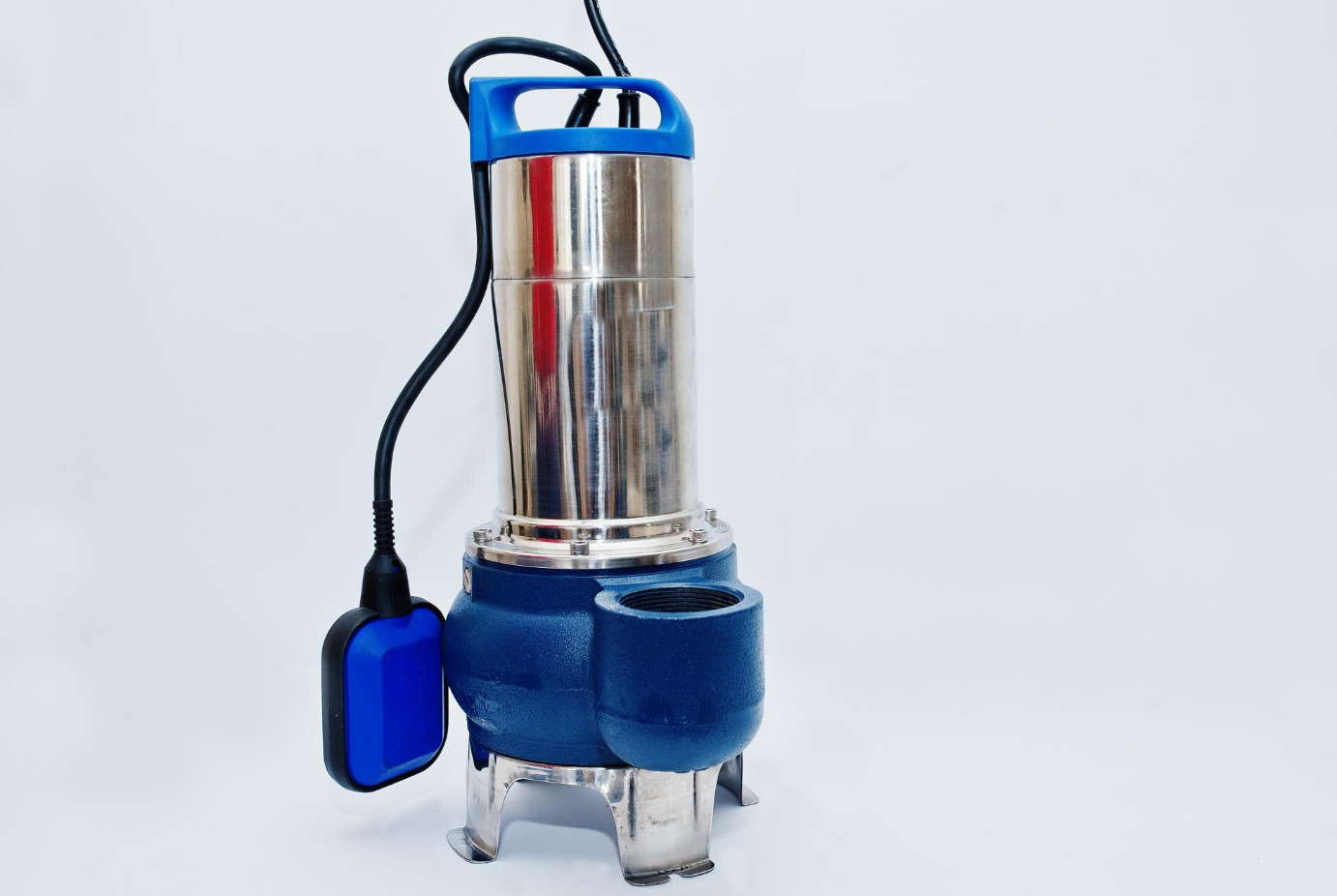
Submersible pumps installed deep within well casings provide reliable service for most Eugene properties. These units operate underwater, eliminating priming issues and freeze concerns. Motors stay cool from surrounding water, extending service life.
Pump selection depends on well depth and household demand. Shallow wells under 100 feet need smaller motors than deeper systems. Four-inch diameter wells accommodate most residential submersible pumps. Six-inch casings allow larger pumps for high-demand properties.
Horsepower ratings range from 1/2 HP for basic needs to 2 HP or more for demanding applications. Professional calculation accounts for vertical lift, pressure requirements, and simultaneous fixture usage. Undersized pumps run continuously while oversized units cycle excessively.
Stainless steel construction resists corrosion better than cast iron in challenging water conditions. Premium pumps cost more initially but deliver superior longevity. Warranty coverage varies from one to ten years depending on manufacturer and model.
Jet Pump Applications
Shallow well jet pumps serve properties with water tables under 25 feet. These above-ground units install in basements, crawl spaces, or pump houses. Accessibility simplifies maintenance but requires freeze protection.
Deep well jet pumps reach water down to 110 feet using ejector assemblies lowered into wells. Two-pipe systems circulate water creating suction drawing water upward. These installations cost less than submersible systems but operate less efficiently.
Lane County properties with shallow wells benefit from jet pump simplicity. Repairs cost less than submersible work requiring well access. However, priming issues and noise levels make submersible pumps preferable when well depth allows.
Constant Pressure Technology
Variable-speed pumps equipped with pressure transducers maintain steady pressure regardless of demand. These sophisticated systems eliminate pressure fluctuations common with conventional installations. Water flow stays consistent whether using one fixture or several simultaneously.
Benefits include extended pump life from reduced cycling stress. Smooth operation prevents water hammer and plumbing strain. Energy savings reach 30-50% compared to traditional systems. Additionally, household comfort improves with stable shower temperatures and appliance performance.
Initial costs run higher than standard installations. However, operational savings and performance benefits justify investments for quality-focused homeowners. New well pump installation and replacement projects increasingly incorporate constant pressure technology.
Visit Alpine Pump’s constant pressure systems page to explore advanced pumping solutions for your Lane County property.
Contact Shawn through Alpine Pump’s contact page for personalized pump selection recommendations.
How Does Professional Installation Differ from DIY Approaches?
Professional new well pump installation and replacement delivers superior results compared to amateur work. Licensed technicians bring expertise, equipment, and experience protecting homeowner investments.
Proper System Sizing and Design
Accurate calculations determine exact pump requirements for each property. Flow testing measures well production capacity and recovery rates. Demand analysis accounts for household size, fixture count, and usage patterns.
Professional installers match pump output to well capacity preventing excessive drawdown. Pumping wells faster than they recharge damages aquifers and causes premature pump failure. Additionally, proper tank sizing reduces cycling frequency extending equipment life.
Pressure switch settings require precise adjustment maintaining optimal system performance. Settings too low cause frequent cycling while excessive pressure stresses plumbing and fixtures. Professionals calibrate systems delivering reliable service without unnecessary wear.
Quality Component Selection
Experienced installers specify appropriate materials for each installation. Drop pipe connecting pumps to wellheads must withstand pressure and environmental exposure. Cheap materials fail prematurely causing expensive repairs requiring well access.
Wire sizing affects motor performance and longevity. Undersized conductors create voltage drops reducing motor torque and efficiency. Submersible cable rated for well environments resists moisture and abrasion. Proper connections using waterproof splicing techniques prevent electrical failures.
Check valves prevent backflow maintaining system pressure when pumps stop. Quality valves operate reliably for years while cheap versions stick or leak. Torque arrestors prevent pipe rotation from motor startup torque. These details separate professional work from amateur installations.
Code Compliance and Safety
Licensed contractors understand building codes, electrical standards, and well construction regulations. Permits ensure installations meet safety requirements protecting homeowners and future buyers. Inspections verify work quality before systems enter service.
Electrical work requires licensed electricians familiar with pump installation requirements. Proper grounding prevents shock hazards while dedicated circuits prevent overloading. Ground fault protection guards against moisture-related electrical dangers.
Backflow prevention protects public water systems when properties have both well and municipal supplies. Cross-connection regulations vary by jurisdiction. Professional installers navigate these requirements ensuring compliant installations.
Learn about Alpine Pump’s well pump repair services for maintaining your Lane County water system.
Call Shawn at 541-424-2243 for licensed, insured Eugene well pump installation meeting all code requirements.
When Should Lane County Homeowners Replace Well Pumps?
Timing new well pump installation and replacement prevents emergencies while maximizing value from aging equipment. Several indicators help determine optimal replacement timing.
Performance Decline Symptoms
Reduced water pressure signals declining pump capacity. Showers lack sufficient flow, washing machines fill slowly, and irrigation systems underperform. Pressure gauges showing lower readings than normal confirm pump weakness.
Frequent pressure tank cycling indicates pump struggles maintaining system pressure. Short run times between cycles suggest pump output barely meets demand. Continuous running means pumps cannot satisfy household needs regardless of runtime.
Strange sounds warn of mechanical problems developing. Grinding noises indicate bearing wear or impeller damage. Clicking suggests electrical control issues. Humming without water flow means motors struggle against mechanical resistance.
Water Quality Changes
Cloudy or discolored water often results from corroded pump components. Rust particles from deteriorating iron parts contaminate water. Sediment increases when pump screens fail or intake sections deteriorate.
Taste and odor changes may indicate pump housing corrosion releasing metals into water. Professional water testing identifies contaminants and concentrations. Results guide treatment decisions and replacement timing.
Bacterial contamination sometimes follows pump failures allowing surface water entry. Testing for coliform bacteria after water quality changes protects household health. Pump replacement should include well disinfection eliminating contamination.
Cost-Benefit Analysis
Repair costs approaching 50% of replacement expenses favor new equipment. Aging pumps developing multiple problems continue failing despite repairs. Investing in repairs delays inevitable replacement while risking sudden failures.
Energy efficiency improvements with modern pumps reduce operating costs. Variable-speed technology saves substantial electricity over conventional systems. Savings accumulate over equipment life offsetting higher initial investments.
Home sale considerations may influence replacement timing. Functioning well systems add value while failing equipment raises buyer concerns. New well pump installation and replacement before listing demonstrates property care.
Ready to upgrade your aging system? Contact Shawn via Alpine Pump’s contact page for replacement consultation.
What Installation Process Should Homeowners Expect?
Understanding professional new well pump installation and replacement procedures helps homeowners prepare for service and recognize quality work.
Initial Assessment and Planning
Site visits allow technicians to evaluate existing installations and access requirements. Well depths, casing diameters, and static water levels determine equipment needs. Measuring distances from wells to pressure tanks calculates wire and pipe requirements.
Electrical service evaluation confirms adequate capacity for new pumps. Service panel inspections identify necessary upgrades or modifications. Planning includes backup power provisions when homeowners request emergency capability.
Water testing provides baseline quality data guiding equipment selection. Iron, hardness, and pH levels affect pump material choices. Treatment system compatibility ensures complete solutions addressing water quality alongside delivery.
Equipment Removal and Installation
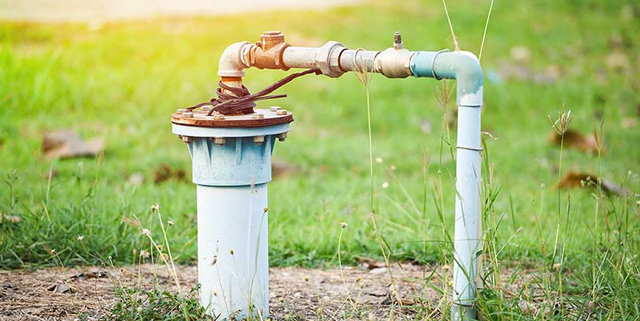
Pulling existing pumps requires specialized equipment and techniques. Well seals must be broken carefully preventing casing damage. Drop pipes disconnect at wellheads allowing pump extraction. Wire and piping removal follows pumps from wells.
New pump installations begin with proper wire and pipe preparation. Connections use waterproof methods preventing moisture entry. Torque arrestors attach preventing pipe rotation. Check valves install at appropriate heights maintaining prime.
Lowering pumps into wells requires care preventing damage to equipment or casings. Centering devices keep pumps from contacting casing walls. Proper depth placement ensures adequate submergence during low water conditions.
System Connection and Testing
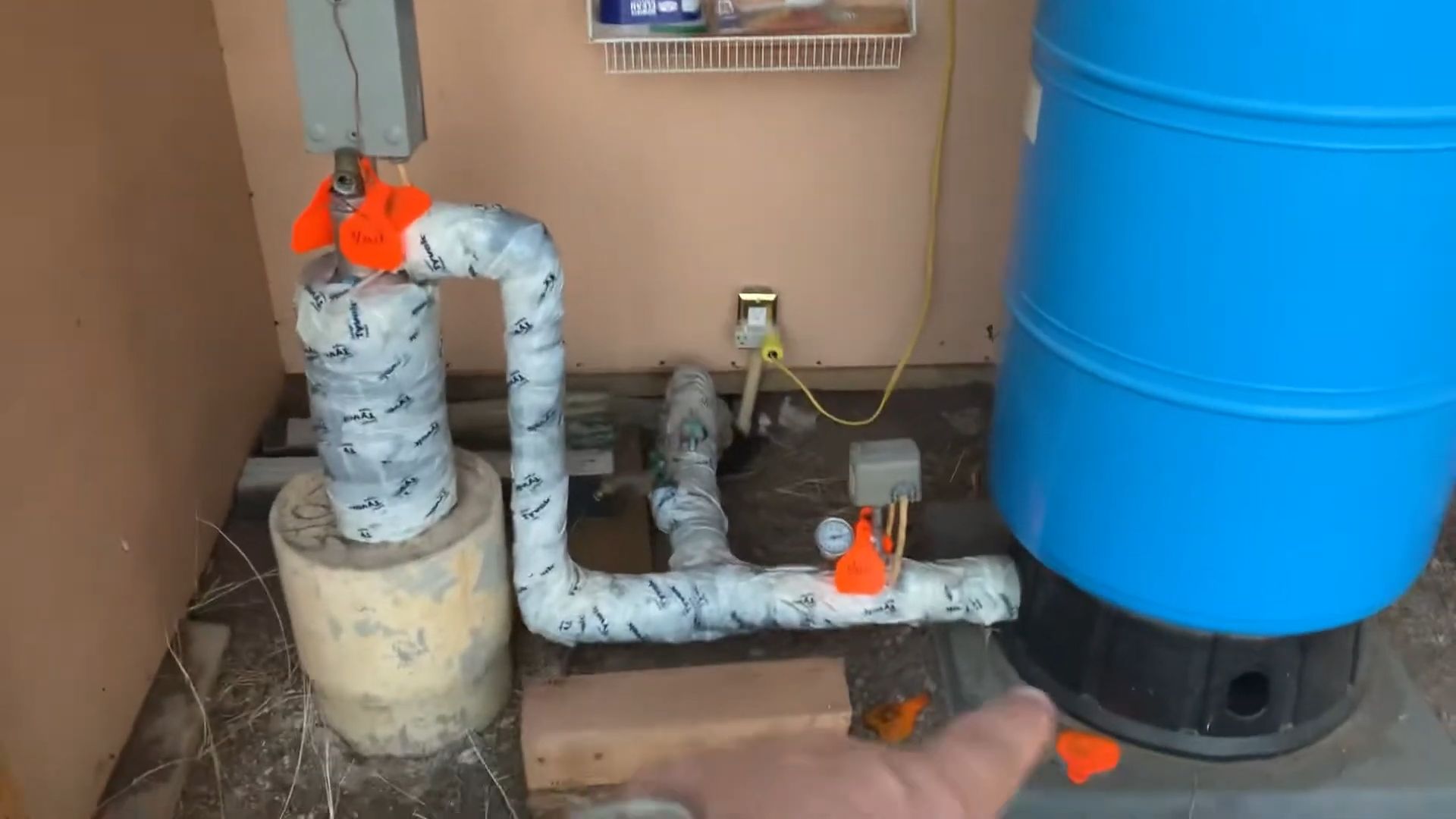
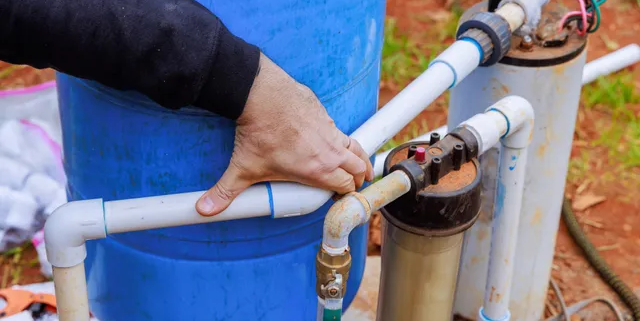
Surface connections join drop pipes to pressure tanks and household plumbing. Unions allow future disconnection for service. Pressure gauges install providing system monitoring capability. Control boxes mount in protected locations with proper ventilation.
Electrical connections follow manufacturer specifications and code requirements. Wire sizing matches pump amp draw with appropriate safety margins. Grounding ensures electrical safety. Protection devices guard against overload and short circuits.
System startup includes careful monitoring verifying proper operation. Pressure switch adjustment sets cut-in and cut-out points. Flow testing confirms adequate delivery meeting household needs. Additionally, leak checks ensure all connections seal properly.
Explore Alpine Pump’s irrigation pump services for comprehensive property water management.
Call Shawn at 541-424-2243 for professional Eugene well pump installation executed to the highest standards.
How Much Does Well Pump Replacement Cost in Lane County?
Investment in new well pump installation and replacement varies based on well characteristics, equipment selection, and installation complexity. Understanding cost factors helps homeowners budget appropriately.
Equipment Costs
Submersible pumps range from $400-$2,000 depending on horsepower, construction quality, and features. Half-horsepower units for shallow wells with modest demands cost least. Two-horsepower pumps serving deep wells or high-demand properties cost most.
Pressure tanks add $200-$800 to projects. Tank size matches pump capacity and household demand. Larger homes need bigger tanks reducing cycling frequency. Bladder-type tanks cost more than traditional designs but offer superior performance.
Control boxes, pressure switches, and accessories contribute $200-$500. Electronic controls cost more than mechanical switches but provide better protection. Variable-speed drives add $600-$1,200 enabling constant pressure operation.
Labor and Installation Fees
Professional installation labor costs $800-$2,000 depending on project complexity. Shallow wells with easy access cost less than deep wells requiring extensive equipment. Travel distances to remote properties may increase service charges.
Well depth significantly affects installation costs. Pulling and installing pumps in 50-foot wells takes less time than 200-foot systems. Additional wire and pipe materials add expense. Difficult access situations requiring specialized equipment increase labor charges.
Electrical work adds $300-$800 for service upgrades, new circuits, or control modifications. Licensed electricians ensure code-compliant installations. Ground fault protection, surge suppression, and proper grounding protect equipment and occupants.
Total Project Investment
Complete new well pump installation and replacement projects typically cost $2,000-$5,000 for standard Eugene residential applications. Shallow wells with basic equipment fall toward lower ranges. Deep wells with premium pumps and constant pressure systems approach upper limits.
Challenging installations exceed standard pricing. Wells over 300 feet deep, difficult access situations, or extensive electrical upgrades increase costs. However, quality installations deliver decades of reliable service justifying investments.
Financing options help homeowners manage replacement expenses. Many contractors offer payment plans spreading costs over time. Energy savings from efficient new pumps offset monthly payments. Additionally, avoiding emergency service premiums saves money long-term.
Call Shawn at 541-424-2243 for detailed Eugene well pump replacement cost estimates tailored to your property.
What Maintenance Extends Well Pump Life?
Regular maintenance maximizes new well pump installation and replacement investments by preventing premature failures and maintaining peak performance.
Annual Service Inspections
Professional technicians examine systems annually identifying developing problems. Pressure tank bladder testing confirms proper function. Air pressure adjustments maintain optimal cycling. Control box inspections verify electrical connections remain tight and corrosion-free.
Flow and pressure testing establishes baseline performance metrics. Comparing annual results reveals gradual decline suggesting approaching replacement needs. Early detection allows planned replacements avoiding emergency situations.
Water quality testing during annual service identifies chemistry changes affecting equipment. Increased iron or hardness may require treatment preventing pump damage. Bacterial contamination needs immediate attention protecting health and equipment.
Homeowner Monitoring Responsibilities
Regular observation helps catch problems early. Listening for unusual sounds during pump operation identifies mechanical issues developing. Monitoring pressure gauge readings detects gradual declines or erratic behavior.
Watching electricity consumption identifies pumps working harder than normal. Sudden increases warn of problems requiring professional evaluation. Smart meters make consumption tracking easier than older analog systems.
Recording pump cycle frequency establishes normal patterns. Increased cycling suggests pressure tank issues or pump capacity loss. Continuous running indicates pumps cannot meet demand or control failures.
Preventive Measures
Water treatment protects pumps from scale, sediment, and corrosion. Filtration systems remove particles before reaching pumps. Softeners prevent mineral buildup. Iron filters protect against accelerated corrosion.
Electrical protection equipment guards against power quality problems. Surge protectors absorb voltage spikes from lightning and grid fluctuations. Properly sized breakers prevent overload damage. Regular electrical system maintenance ensures protection devices function correctly.
Well maintenance complements pump care. Periodic well cleaning removes accumulated sediment and bacterial growth. Video inspections identify casing problems or screen blockage. Proper well caps prevent surface contamination entry.
Contact Shawn through Alpine Pump’s contact page to schedule annual Lane County well system maintenance.
How Do Lane County Regulations Affect Well Pump Work?
Oregon and Lane County regulations govern well construction, modification, and water quality protecting public health and groundwater resources. Professional installers navigate these requirements ensuring compliant new well pump installation and replacement.
State Well Construction Standards
Oregon Water Resources Department oversees well construction, maintenance, and abandonment statewide. Well pump replacement may require permits depending on work scope and system modifications. Installers must follow standards protecting aquifer integrity.
Licensed well pump installers and drillers carry credentials demonstrating competence. State databases allow license verification ensuring contractors meet qualification requirements. Working with licensed professionals protects homeowners from liability and code violations.
Well abandonment regulations apply when replacing wells rather than just pumps. Properly sealing abandoned wells prevents groundwater contamination and safety hazards. Licensed contractors handle abandonment procedures meeting state requirements.
Water Quality Testing Requirements
Oregon’s Domestic Well Testing Act (ORS 448.271) mandates testing during property transfers. Sellers must test for bacteria, nitrate, and arsenic providing results to buyers. Testing must occur within specified timeframes before closing transactions.
Beyond legal requirements, regular testing benefits all well owners. Annual analysis identifies water quality trends and emerging problems. Results guide treatment decisions and equipment selection for new well pump installation and replacement projects.
Lane County health departments provide testing resources and guidance. Some laboratories offer discounted testing for county residents. Understanding test results requires professional interpretation considering health standards and equipment impacts.
Local Building and Electrical Codes
Lane County building departments regulate construction aspects of well installations. Electrical permits cover pump wiring, control installations, and service modifications. Licensed electricians perform work meeting National Electrical Code standards.
Plumbing permits apply to piping connections entering homes from well systems. Backflow prevention requirements protect municipal water systems when properties have dual supplies. Cross-connection control regulations prevent contamination.
Property setback requirements govern well locations relative to septic systems, property lines, and structures. Minimum distances prevent contamination and ensure access for maintenance. Professional installers understand setback rules ensuring compliant installations.
Learn more about Alpine Pump’s solar-powered pump options for sustainable Lane County water solutions.
Call Shawn at 541-424-2243 for fully compliant Eugene well pump installation meeting all regulatory requirements.
What Advanced Features Enhance Modern Well Systems?
Contemporary new well pump installation and replacement projects incorporate technology improving performance, efficiency, and convenience beyond basic water delivery.
Variable-Speed Pump Controls
Constant pressure systems using variable-frequency drives adjust pump speed matching water demand. Pumps accelerate when multiple fixtures operate simultaneously and slow during light use. Pressure remains steady regardless of demand fluctuations.
Benefits include substantial energy savings compared to conventional on-off operation. Smooth acceleration prevents water hammer protecting plumbing. Reduced cycling extends pump motor life significantly. Additionally, consistent pressure improves appliance performance and household comfort.
Advanced controllers provide diagnostic capabilities monitoring system health. Displays show current flow rates, pressure readings, and power consumption. Fault detection alerts homeowners to developing problems before failures occur.
Remote Monitoring Capabilities
Smart well systems connect to home networks enabling remote monitoring via smartphones or computers. Homeowners check system status from anywhere with internet access. Alerts notify users of problems requiring attention.
Flow monitoring tracks water consumption patterns identifying leaks or unusual usage. Historical data helps optimize system settings and plan maintenance timing. Some systems integrate with whole-house automation platforms.
Remote control allows adjusting settings without accessing equipment. Pressure modifications, schedule programming, and diagnostic checks occur from mobile devices. However, security measures prevent unauthorized access protecting systems from tampering.
Water Treatment Integration
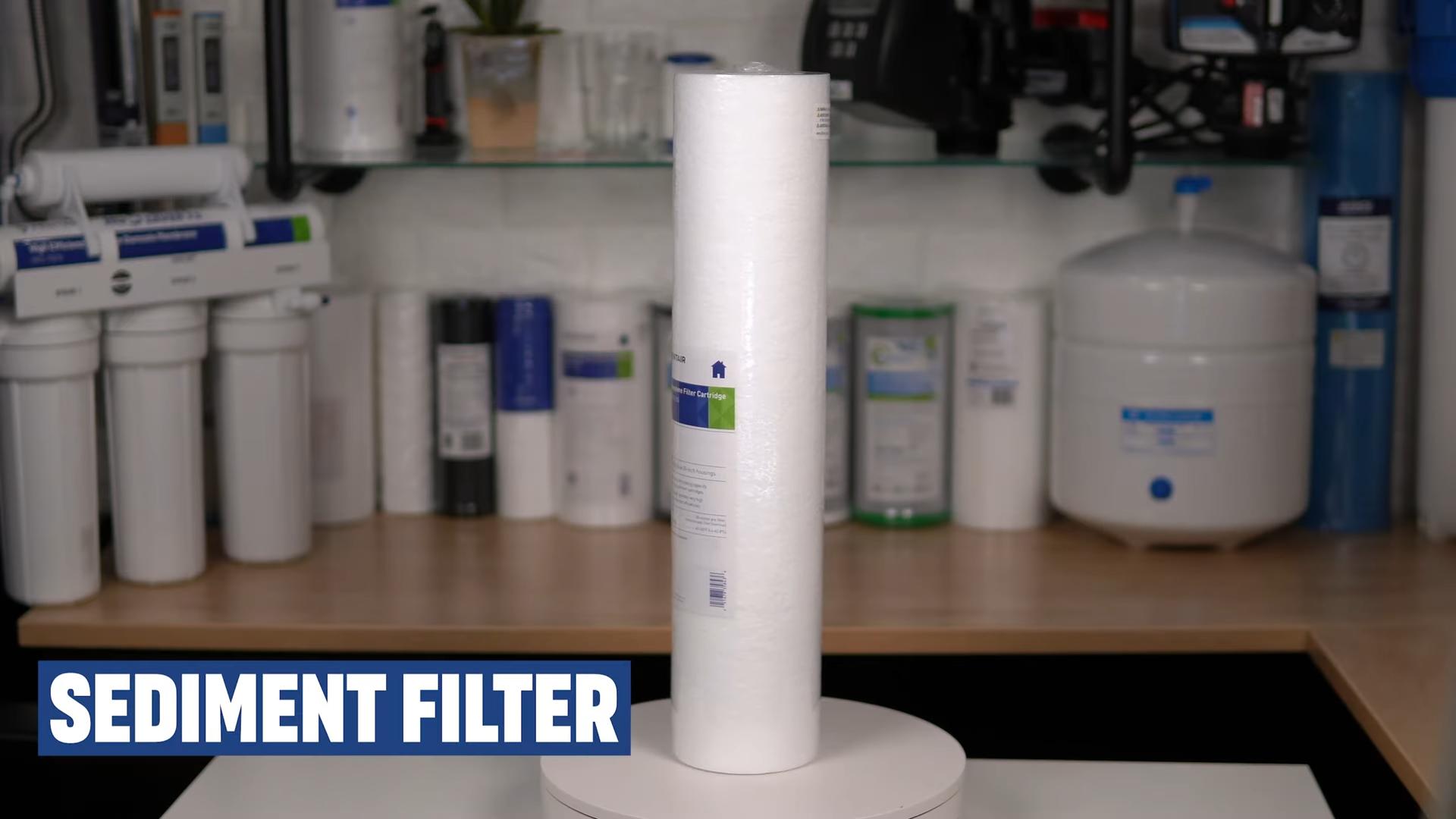
Complete water management combines pumping and treatment into cohesive systems. Filtration removes sediment protecting pumps and household plumbing. Softening prevents scale buildup extending equipment life.
Treatment system sizing must account for flow rates and pressure requirements. Undersized filters create flow restrictions and pressure drops. Professional design integrates components working together efficiently.
UV disinfection eliminates bacteria providing safe drinking water without chemical treatment. Iron and manganese removal prevents staining and equipment damage. pH adjustment protects against corrosive water conditions.
Explore Alpine Pump’s water filtration systems for comprehensive Eugene water quality solutions.
Ready to upgrade to advanced well technology? Contact Shawn via Alpine Pump’s contact page for modern system design.
Key Takeaways
- New well pump installation and replacement typically costs $2,000-$5,000 for Lane County residential properties depending on well depth and equipment selection
- Professional service delivers superior results through accurate sizing, quality components, and code-compliant installation techniques
- Well pumps last 15-25 years with proper maintenance but decline performance signals replacement timing before complete failures
- Submersible pumps provide reliable service for most Eugene properties while constant pressure systems offer premium performance
- Regular annual maintenance and water quality testing extend equipment life and identify problems before expensive failures
- Oregon regulations require licensed installers and property transfer testing protecting groundwater resources and public health
- Modern variable-speed pumps and smart monitoring technology enhance efficiency and convenience beyond basic water delivery
Reliable well water depends on properly installed and maintained pumping equipment. Alpine Pump Inc. brings over 30 years of Lane County experience to every new well pump installation and replacement project. Shawn Turner understands local geology, water quality challenges, and regulatory requirements ensuring systems deliver dependable service for decades. Professional installation costs less than dealing with failed equipment, emergency service calls, and potential property damage from water system failures.
Schedule your well pump replacement today. Call Shawn at 541-424-2243 for expert Lane County well system solutions.
Frequently Asked Questions
Q: How long does well pump replacement typically take?
A: Most new well pump installation and replacement projects complete in 4-8 hours. Simple shallow well replacements finish faster while deep wells or complex installations require full days. Weather conditions, access difficulties, or unexpected complications may extend timelines. Professional installers provide accurate estimates after site evaluation.
Q: Can I upgrade to a larger pump during replacement?
A: Upgrades depend on well production capacity and casing diameter. Wells must recharge fast enough supplying larger pumps without excessive drawdown. Four-inch casings limit pump sizes while six-inch wells accommodate larger units. Professional flow testing determines maximum safe pump capacity for new well pump installation and replacement.
Q: What warranty coverage comes with new well pumps?
A: Manufacturer warranties range from one to ten years depending on brand and model. Premium pumps include longer coverage than economy models. Labor warranties vary by contractor, typically 30-90 days. Extended warranty purchases provide additional protection. Review coverage details before new well pump installation and replacement projects.
Q: Should I replace my pressure tank when installing a new pump?
A: Tanks showing corrosion, leaks, or bladder failures need replacement. Tanks over 15 years old may fail shortly after pump installation. Properly functioning tanks can remain if sizing matches new pump capacity. Professional evaluation determines whether tank replacement accompanies new well pump installation and replacement. Call Shawn at 541-424-2243 for complete system assessment.
Q: How do I choose between basic and constant pressure systems?
A: Budget, water quality expectations, and household size influence decisions. Constant pressure systems cost $1,000-$2,000 more but deliver superior performance and energy savings. Large households with simultaneous fixture use benefit most. Basic systems adequately serve smaller homes with modest demands during new well pump installation and replacement.
Q: What happens to old well pumps after replacement?
A: Professional contractors dispose of old equipment responsibly following environmental regulations. Some components like motors and brass fittings get recycled. Homeowners may keep old pumps for scrap value if desired. Proper disposal prevents environmental contamination from pump fluids and materials.
Q: Can well pumps be repaired instead of replaced?
A: Some failures allow economical repairs extending pump life. Motor or control box replacements cost less than complete pump replacement. However, repairs on pumps over 15 years old often precede additional failures. Repair costs exceeding 50% of new well pump installation and replacement favor complete replacement.
Q: How does well depth affect pump selection and cost?
A: Deeper wells require more powerful pumps overcoming greater vertical lift. Wells over 200 feet need higher horsepower motors and more expensive equipment. Installation costs increase with depth from additional wire, pipe, and labor. Professional calculation ensures proper pump selection for new well pump installation and replacement projects. Call Shawn at 541-424-2243 for depth-specific recommendations.
Q: What preparation do homeowners need before installation day?
A: Clear access paths to wells and electrical panels allowing equipment movement. Provide space for contractor vehicles and tools. Arrange alternative water sources for installation duration. Protect landscaping along wire and pipe routes. Communicate special requirements or concerns before new well pump installation and replacement begins.
Q: Do modern pumps require different electrical service than old pumps?
A: Variable-speed pumps and constant pressure systems may need upgraded electrical service. Control electronics require dedicated circuits and ground fault protection. Older homes with insufficient service capacity need panel upgrades. Licensed electricians evaluate electrical requirements during new well pump installation and replacement planning.