
Ensuring Clean Water: A Guide to Water Filtration System Installation in Veneta, Oregon For residents of Veneta, Oregon, water quality is a top priority. Whether you are connected to the city’s municipal supply or rely on a private well, ensuring your water is clean, safe, and tastes great is essential for your family’s health and the longevity of your home’s plumbing. Installing a professional water filtration system is one of the best investments a Veneta homeowner can make. A clean glass of water being filled from a modern tap Pure, filtered water is essential for a healthy home in Veneta. Common Water Issues in the Veneta AreaIn the Southern Willamette Valley, homeowners often face specific water challenges. Those on well systems may deal with high mineral content, sediment, or even bacterial concerns. City water, while treated, can sometimes have a noticeable chlorine taste or contain trace minerals that lead to “hard water” buildup on fixtures and appliances. Hard Water: High calcium and magnesium levels can cause scale buildup in pipes and decrease the efficiency of water heaters. Sediment: Sand and grit can clog faucets and damage internal appliance components. Chemical Taste: Chlorine used in municipal treatment can affect the flavor of drinking water and coffee. Types of Filtration Systems to Consider Depending on your specific water test results, there are several options for installation in Veneta: 1. Whole House Filtration Systems: These systems are installed at the main water line and treat every drop of water entering your home. They are ideal for removing sediment, chlorine, and heavy metals before they reach your shower or washing machine. 2. Reverse Osmosis (RO) Systems: Usually installed under the kitchen sink, RO systems provide the highest level of purification for drinking and cooking water, removing up to 99% of contaminants. 3. Water Softeners: If scale buildup is your primary concern, a water softener can neutralize the minerals that cause hardness, making your soaps more effective and your skin feel smoother. The Importance of Professional Installation While DIY kits are available, professional installation in Veneta ensures that your system is sized correctly for your household’s water usage and that it meets local Oregon plumbing codes. A pro can also perform a comprehensive water test to ensure you aren’t over-investing in technology you don’t need or under-treating your specific issues. If you’re ready to improve your home’s water quality, reaching out to a local specialist in the Veneta area is the first step toward peace of mind and better-tasting water.
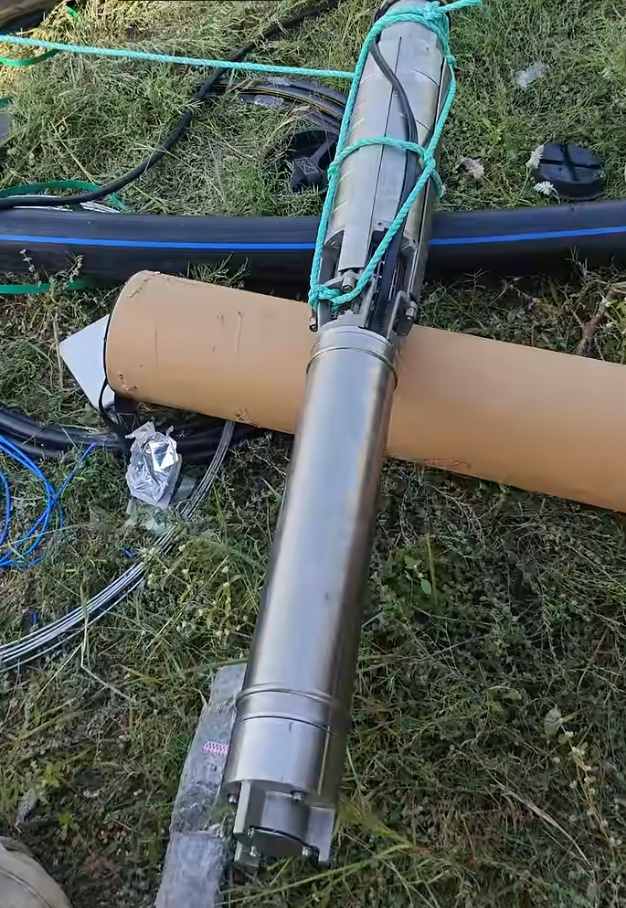
How Much Do Emergency Well Pump Repairs Cost?
How Much Do Emergency Well Pump Repairs Cost? Emergency well pump repairs cost between $450 and $2,500 in Eugene, with most homeowners paying around $850 for urgent service. This guide reveals pricing factors, typical repair scenarios, and money-saving strategies for Lane County residents facing sudden water system failures. Need immediate well pump repair? Call Shawn at 541-424-2243 for 24/7 emergency service from Alpine Pump Inc., serving Eugene and surrounding communities for over 30 years. What Factors Determine Emergency Well Pump Repair Costs? Several variables influence emergency well pump repairs cost in Eugene, Oregon. Time of service plays the largest role, as after-hours calls typically add $150 to $300 to standard rates. Weekend and holiday emergencies command premium pricing due to limited technician availability and increased demand during these periods. Well depth significantly impacts repair expenses. Shallow wells under 50 feet cost less to service because technicians access components more easily. Deep wells exceeding 200 feet require specialized equipment and longer labor hours, pushing emergency repair bills toward the higher end of the spectrum. Eugene’s diverse geology means well depths vary considerably across neighborhoods. Component Replacement Expenses Specific part failures drive cost variations considerably. Pressure switch replacements run $200 to $400 for emergency calls, while control box repairs range from $300 to $600 including diagnostics. Damaged pressure tanks need $400 to $900 for urgent replacement, depending on capacity requirements and installation complexity. Submersible pump motor failures represent the costliest emergency scenario. Complete pump replacement during off-hours reaches $1,800 to $2,500 in Eugene, factoring in equipment removal, new unit installation, and electrical connections. According to the U.S. Geological Survey, over 15 million U.S. households rely on private wells, making reliable repair access essential for rural communities. Travel and Service Call Fees Emergency service calls include base fees ranging from $125 to $250 before any diagnostic work begins. Technicians in Eugene charge higher rates for properties located beyond standard service areas, with rural locations adding $50 to $100 in travel expenses. These fees compensate for fuel costs, equipment transport, and response time guarantees. Diagnostic assessments during emergencies cost $150 to $300, though reputable companies like Alpine Pump Inc. often waive this charge when customers approve recommended repairs. Transparent pricing practices help homeowners budget effectively during stressful water outage situations. Experiencing a well pump emergency? Call Shawn at 541-424-2243 for honest diagnostics and fair pricing throughout Lane County. How Do Emergency Costs Compare to Regular Service Pricing? Emergency well pump repairs cost 40% to 60% more than scheduled maintenance appointments. Standard business hour service calls for pressure switch replacement average $150 to $250, while identical emergency repairs climb to $200 to $400. This premium reflects technician availability, overtime wages, and expedited parts procurement. Weekend emergency calls in Eugene add approximately $200 to typical weekday rates. A pressure tank issue costing $350 on Tuesday becomes a $550 repair on Saturday evening. Holidays amplify this differential further, with some companies charging double standard rates for Christmas, Thanksgiving, or New Year’s service. Time-Based Pricing Tiers Most Eugene well pump specialists structure emergency pricing in tiers. Business hours (Monday through Friday, 8 AM to 5 PM) offer baseline rates. Evening calls from 5 PM to 10 PM carry 25% to 35% surcharges. Late-night emergencies between 10 PM and 6 AM command the highest premiums, sometimes reaching 75% above standard pricing. Planning ahead reduces these expenses significantly. Homeowners who schedule annual well system inspections catch problems before they escalate into emergency failures. Preventive maintenance costs $150 to $250 annually but prevents thousands in urgent repair bills and water damage restoration. Regional Cost Variations Emergency well pump repairs cost varies across Oregon based on population density and competition. Eugene’s robust contractor network keeps prices competitive compared to remote rural areas. Springfield residents enjoy similar rates due to proximity, while properties in Oakridge or Westfir may pay 15% to 25% more for emergency response. Urban areas with abundant service providers typically offer lower emergency rates than isolated communities. Eugene homeowners benefit from multiple qualified technicians, creating market pressure that moderates pricing. However, all emergency services cost substantially more than planned repairs regardless of location. Call Shawn at 541-424-2243 for 24/7 emergency service What Are Common Emergency Well Pump Repair Scenarios? Pressure switch failures represent the most frequent emergency calls. These components control pump cycling and typically fail after 10 to 15 years of continuous operation. Symptoms include rapid pump cycling, no water flow, or constant running. Emergency pressure switch replacements cost $200 to $400 in Eugene, including parts, labor, and after-hours premiums. Control box malfunctions cause immediate water loss. Lightning strikes, power surges, and component wear damage these electrical panels. Homeowners notice tripped breakers, burning odors, or complete pump failure. Emergency control box repairs range from $300 to $600, depending on damage extent and whether technicians can source replacement parts immediately. Pressure Tank Emergencies Waterlogged pressure tanks create urgent situations requiring immediate attention. Air bladder ruptures cause tanks to fill completely with water, eliminating pressure cushions. Pumps cycle rapidly, water pressure fluctuates wildly, and systems struggle to maintain adequate flow. Emergency pressure tank replacement costs $400 to $900 in Eugene, varying by tank capacity and installation requirements. Ruptured tanks sometimes flood utility rooms or basements. Water damage adds restoration costs beyond initial repair expenses. Quick response minimizes secondary damage, making emergency service worthwhile despite higher pricing. Homeowners should shut off power to pump systems and call specialists immediately when pressure tanks fail. Dealing with a waterlogged pressure tank? Contact Alpine Pump Inc. for rapid response and expert repairs throughout Eugene and Lane County. Call Shawn at 541-424-2243 for 24/7 emergency service Submersible Pump Failures Complete pump failures necessitate the costliest emergency interventions. Motor burnout, bearing seizure, or electrical shorts stop water flow entirely. Eugene residents without municipal backup face difficult situations when wells fail unexpectedly. Emergency submersible pump replacement costs $1,800 to $2,500, including removal of failed units from deep wells. Technicians must pull existing pumps, install new equipment, and restore electrical connections under urgent conditions. This labor-intensive process takes
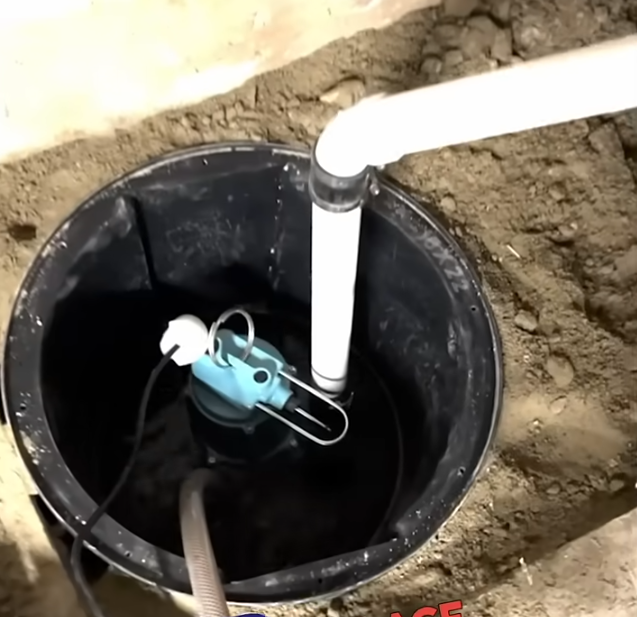
Sump Pump Installation Price in Eugene
Sump Pump Installation Price in Eugene Sump pump installation price typically ranges from $800 to $3,500, depending on system complexity and your home’s unique requirements. This investment protects your basement from flooding and prevents thousands in water damage. Ready to safeguard your Eugene home from water damage? Call Shawn Turner at Alpine Pump Inc. at 541-424-2243 for expert sump pump installation and repair services. What Factors Influence Sump Pump Installation Costs? Several variables determine the final cost of installing a sump pump system in your home. Understanding these factors helps you budget appropriately and make informed decisions about your basement waterproofing needs. Pump type stands as the primary cost driver. Submersible pumps, which sit inside the sump basin, generally cost between $150 and $500 for the unit alone. Pedestal pumps, with motors mounted above the pit, run slightly less expensive at $100 to $300. However, submersible models offer quieter operation and longer lifespans, making them the preferred choice for most homeowners despite the higher upfront investment. Basin excavation and installation significantly affect total expenses. Creating a proper sump pit requires digging a hole approximately 24 inches deep and 18 inches in diameter. Labor costs for excavation typically range from $300 to $800, depending on your basement’s concrete thickness and soil conditions. Homes with gravel or sandy soil allow easier digging, while clay or rocky terrain increases labor time and associated costs. Labor and Professional Installation Professional installation ensures proper system function and code compliance. Licensed contractors in Eugene charge between $500 and $1,500 for labor, depending on project complexity. This investment covers more than simple pump placement—professionals assess drainage patterns, determine optimal pit location, and ensure proper discharge line installation. Additionally, experienced technicians verify that your system meets local building codes and Oregon’s plumbing standards. The Oregon Building Codes Division outlines specific requirements for sump pump installations, including discharge specifications and electrical safety protocols. Professional installers navigate these regulations seamlessly, saving you potential headaches with inspections or insurance claims. Electrical work comprises another cost component. Most sump pumps require a dedicated 120-volt GFCI outlet near the pit. Hiring a licensed electrician to install this outlet adds $150 to $400 to your total expense. Homes lacking nearby power sources may incur higher costs for running new electrical lines through basement walls or ceilings. Call Shawn Turner at Alpine Pump Inc. at 541-424-2243 How Much Does Battery Backup Add to Sump Pump Installation Price? Battery backup systems represent a crucial upgrade for Eugene homeowners, especially during winter storms when power outages coincide with heavy rainfall. These systems ensure continued basement protection when primary pumps lose electricity, preventing catastrophic flooding during critical moments. Basic battery backup units cost between $200 and $500, while premium systems with extended runtime capabilities range from $600 to $1,200. Installation adds another $200 to $400 in labor charges. Despite this additional expense, the peace of mind and protection against power-related failures make battery backup systems worthwhile investments for most properties. Water-powered backup pumps offer an alternative solution, utilizing municipal water pressure to operate during electrical outages. These systems cost $150 to $400 for the unit, plus $300 to $600 for professional installation. However, they increase your water bill and may not function during simultaneous water main and power failures, making battery backups more reliable overall. Discharge Line Installation Costs Proper discharge line installation ensures water flows away from your foundation effectively. Standard installations include 20 to 30 feet of PVC piping, costing $200 to $500 for materials and labor. Extended discharge lines or buried pipes that prevent freezing add $300 to $800 to total expenses. Eugene’s wet climate necessitates thoughtful discharge planning. Water must exit at least 10 feet from your foundation and preferably flow into a storm drain, dry well, or sloped yard area. Homes requiring underground drainage systems or connection to municipal storm sewers face higher costs, sometimes reaching $1,000 to $2,000 for complex installations. Furthermore, freeze protection becomes essential during Oregon’s occasional cold snaps. Installing freeze-resistant discharge lines or freeze guards adds $100 to $300 but prevents potentially catastrophic system failures during winter weather events. Protecting your Eugene property requires expert planning and installation—contact our experienced team today to discuss your specific sump pump needs and receive a detailed cost estimate. Call Shawn Turner at Alpine Pump Inc. at 541-424-2243 What Are the Different Types of Sump Pumps and Their Price Ranges? Selecting the appropriate sump pump type impacts both initial costs and long-term performance. Each pump category serves specific applications and offers distinct advantages depending on your basement’s characteristics and water intrusion patterns. Pedestal sump pumps position motors above the sump pit, making them easily accessible for maintenance and repairs. These units cost $100 to $300 and typically last 25 to 30 years with proper care. Their elevated design prevents motor submersion, extending operational lifespan. However, they operate noticeably louder than submersible alternatives and take up more basement space. Submersible pumps sit entirely within the sump basin, offering quieter operation and more discreet appearance. Units range from $150 to $500, with premium models featuring enhanced durability and higher pumping capacities. These pumps generally last 10 to 15 years and handle larger water volumes more efficiently than pedestal models, making them ideal for basements prone to significant flooding. Specialized Pump Systems Combination pump systems provide dual protection by pairing primary and backup pumps in a single installation. These comprehensive solutions cost $800 to $2,000 for equipment alone, with installation adding another $500 to $1,000. Combination systems deliver maximum security for valuable finished basements or homes in flood-prone areas. Sewage ejector pumps serve different purposes than standard sump pumps but often get confused with them. These units handle wastewater from basement bathrooms, laundry rooms, or bars, pumping waste upward to main sewer lines. Ejector pump installations cost $1,500 to $4,000, significantly more than standard sump pumps due to specialized requirements and plumbing complexities. High-capacity pumps accommodate properties experiencing severe water intrusion or large basement areas. These robust systems cost $300 to $800 for the
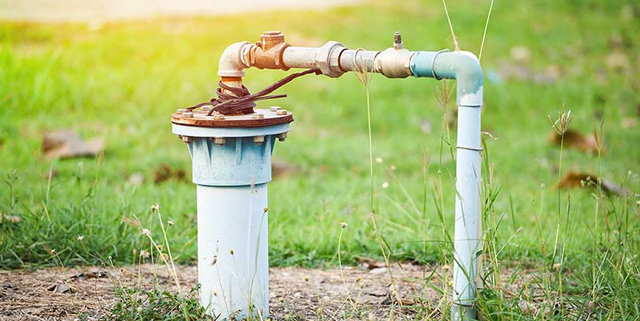
What Is the Best Filter for Well Water?
What Is the Best Filter for Well Water? The best filter for well water depends on your specific contaminants, combining sediment filtration, carbon treatment, and specialized media. Learn how to select optimal filtration protecting your household health. For expert guidance selecting the best filter for well water in Eugene, contact Shawn Turner at Alpine Pump Inc. by calling 541-424-2243 for professional water testing and customized filtration solutions. How Do You Determine Which Filter System Your Well Water Needs? Comprehensive water testing identifies specific contaminants requiring filtration before selecting equipment. Laboratory analysis reveals bacteria levels, mineral content, chemical pollutants, and physical characteristics affecting water quality. Testing determines whether you need sediment removal, chemical filtration, biological treatment, or combination systems. Common well water contaminants include: Sediment, sand, and particulate matter Iron and manganese causing staining Hardness minerals like calcium and magnesium Bacteria, viruses, and parasites Nitrates from agricultural runoff Arsenic and heavy metals According to the Environmental Protection Agency{:target=”_blank”}, private well owners should test water annually for bacteria and nitrates, plus additional testing when taste, odor, or appearance changes occur. Professional testing services identify contamination levels guiding filtration system selection. Understanding Water Test Results Laboratory reports show contaminant concentrations measured in parts per million (ppm) or milligrams per liter (mg/L). Comparing results against EPA drinking water standards reveals which contaminants exceed safe levels requiring treatment. Iron concentrations above 0.3 ppm cause staining while hardness exceeding 120 ppm creates scale buildup. Bacterial testing identifies total coliform and E. coli presence indicating fecal contamination. Any positive bacterial result demands immediate disinfection and continued treatment preventing waterborne illness. pH measurements below 6.5 or above 8.5 indicate corrosive or scaling water requiring pH adjustment. Contaminant-Specific Treatment Requirements Different pollutants require specialized filtration media and treatment approaches. Sediment filters using graded micron ratings remove particles but cannot address dissolved minerals or chemicals. Activated carbon excels at removing chlorine, pesticides, and organic compounds yet proves ineffective against hardness or heavy metals. Iron and manganese need oxidation followed by filtration or specialized media like greensand or birm. Hardness minerals require ion exchange water softeners regenerating with salt. Consequently, determining the best filter for well water systems in Eugene demands matching treatment technology to specific contamination identified through testing. What Types of Well Water Filtration Systems Work Most Effectively? Whole-house filtration systems treat all water entering your home protecting every fixture and appliance. Point-of-use filters installed at specific faucets address drinking water quality while leaving other uses untreated. Multi-stage systems combining several treatment methods provide comprehensive contamination removal. Sediment filters form the first defense removing particles preventing downstream equipment damage. Cartridge filters use spun polypropylene, pleated media, or wound string catching particles down to 1-5 microns. Backwashing filters automatically clean themselves extending service life while maintaining flow rates. Call Shawn at 541-424-2243 Activated Carbon Filtration Benefits Carbon filters absorb organic chemicals, chlorine, pesticides, and compounds affecting taste and odor. Granular activated carbon (GAC) provides high surface area for chemical adsorption. Carbon block filters combine adsorption with mechanical filtration removing smaller particles. Carbon exhaustion occurs after treating specific water volumes requiring periodic replacement maintaining effectiveness. Catalytic carbon offers enhanced chloramine removal important for municipal water connections. However, carbon cannot remove dissolved minerals, salts, or biological contaminants requiring supplementary treatment methods. Iron and Manganese Removal Systems Oxidizing filters convert dissolved iron and manganese into particles trapped by filtration media. Air injection systems introduce oxygen causing oxidation before filtration. Chemical oxidation using chlorine or potassium permanganate provides alternative treatment approaches. Manganese greensand filters combine oxidation and filtration in single units requiring periodic regeneration. Birm media catalyzes iron oxidation without chemicals needing only backwashing. Professional water filtration system installation ensures proper sizing and media selection for your specific iron and manganese levels. Contact our filtration specialists for comprehensive water testing and customized treatment system design addressing your Eugene property’s unique well water quality challenges. Which Filtration Technology Removes the Most Contaminants? Reverse osmosis systems remove the widest range of contaminants including dissolved solids, heavy metals, and chemicals. RO membranes filter particles down to 0.0001 microns eliminating 95-99% of total dissolved solids. Arsenic, lead, nitrates, and fluoride pass through other filter types yet RO effectively captures these pollutants. However, reverse osmosis wastes 3-4 gallons per gallon produced creating environmental concerns. RO removes beneficial minerals producing aggressive water potentially corroding pipes. Installation typically occurs at point-of-use locations providing purified drinking and cooking water while leaving other household uses untreated. Water Softener Technology Ion exchange softeners replace hardness minerals with sodium ions preventing scale formation. Resin beads attract calcium and magnesium releasing sodium into treated water. Periodic regeneration using salt brine recharges resin restoring softening capacity. Softened water protects appliances, improves soap effectiveness, and eliminates hard water staining. Monthly salt additions and occasional resin bed cleaning maintain system performance. Homeowners seeking the best filter for well water in Eugene frequently combine softeners with other treatment technologies addressing multiple water quality issues simultaneously. Call Shawn at 541-424-2243 UV Disinfection Systems Ultraviolet treatment destroys bacteria, viruses, and parasites without chemicals or filtration media. UV-C radiation at 254 nanometers damages microbial DNA preventing reproduction. Systems require clear water for effectiveness making pre-filtration essential. Annual lamp replacement maintains proper germicidal output ensuring continued biological protection. UV treatment proves especially critical for shallow wells or properties near septic systems. Combining sediment filtration, UV disinfection, and carbon treatment provides comprehensive well water safety. How Do Multi-Stage Filtration Systems Provide Complete Protection? Layered treatment approaches address diverse contamination simultaneously optimizing water quality comprehensively. Typical configurations start with sediment pre-filtration protecting downstream equipment. Subsequent stages tackle specific contaminants using appropriate media and technologies. Standard multi-stage systems include: 5-micron sediment filter removing particles and turbidity Carbon filter eliminating chemicals, pesticides, and odors Water softener addressing hardness minerals Iron/manganese filter for metal removal UV disinfection destroying biological contaminants Professional system design sequences treatment stages logically maximizing effectiveness while minimizing maintenance. Sediment filtration always precedes other treatments preventing media fouling and equipment damage. Well pump and filtration services integrate treatment systems with existing plumbing ensuring optimal performance.
UV Water Treatment Systems
Does a UV Water Treatment System Really Work? A UV water treatment system eliminates 99.99% of harmful microorganisms without chemicals, protecting your family’s health. Discover how ultraviolet technology purifies well water effectively and safely. For professional UV water treatment system installation in Eugene, contact Shawn Turner at Alpine Pump Inc. by calling 541-424-2243 for expert water purification solutions. How Does UV Water Purification Technology Actually Work? Ultraviolet disinfection harnesses specific light wavelengths destroying microbial DNA. UV-C radiation at 254 nanometers penetrates bacterial cell walls, preventing reproduction and eliminating infection risks. Water flows through a stainless steel chamber containing a UV lamp emitting germicidal light. Exposure time typically lasts just seconds, yet effectively neutralizes pathogens. Chemical-Free Treatment Process The process involves no chemical additives or filtration media requiring replacement. Unlike chlorination or ozonation, UV treatment leaves no taste, odor, or harmful byproducts in treated water. According to the Centers for Disease Control and Prevention{:target=”_blank”}, UV disinfection effectively inactivates most waterborne pathogens when properly designed and maintained. Professional installation ensures optimal performance protecting household health. Call Shawn at 541-424-2243 for professional UV systems. Essential System Components Key components include: Mercury or amalgam UV lamp producing germicidal wavelengths Quartz sleeve protecting lamp from water contact Reactor chamber ensuring adequate exposure time Ballast regulating electrical current to lamp Monitoring system tracking lamp performance Each component plays a critical role in maintaining effective water disinfection. Proper integration ensures reliable pathogen elimination throughout system lifespan. Understanding UV Lamp Intensity and Dosage Lamp output measured in watts determines treatment effectiveness. Residential systems typically use 15-40 watt lamps depending on flow requirements. Higher wattage provides greater intensity treating larger water volumes effectively. Furthermore, lamp age affects output strength requiring annual replacement maintaining proper disinfection levels. Dosage represents the UV intensity multiplied by exposure duration. Measured in millijoule-seconds per square centimeter (mJ/cm²), proper dosage ensures complete pathogen destruction. Most residential UV water treatment systems deliver 30-40 mJ/cm² exceeding EPA recommendations for drinking water disinfection. Adequate dosage guarantees safe water regardless of contamination levels. Water Quality Requirements for Optimal Performance UV effectiveness depends heavily on water clarity and mineral content. Turbidity, iron, manganese, and hardness reduce UV light penetration limiting disinfection capability. Consequently, pre-filtration often becomes necessary removing particles and dissolved minerals before UV exposure. Water testing identifies specific quality issues requiring correction. Iron concentrations exceeding 0.3 parts per million interfere with UV transmission. Similarly, hardness above 120 parts per million causes mineral scaling on quartz sleeves. Homeowners in Eugene considering UV water treatment systems should test source water ensuring compatibility with ultraviolet technology. Professional water analysis determines necessary pre-treatment requirements. Call Shawn at 541-424-2243 for professional UV systems. What Contaminants Do UV Systems Remove From Well Water? UV technology excels at eliminating biological contaminants threatening public health. Bacteria including E. coli, Salmonella, and Legionella succumb to proper UV exposure. Viruses such as hepatitis A, norovirus, and rotavirus also perish under germicidal radiation. Additionally, parasitic cysts like Giardia and Cryptosporidium lose viability after UV treatment. Chemical Contaminant Limitations However, UV systems cannot remove chemical contaminants, heavy metals, or dissolved solids. Pesticides, nitrates, arsenic, and lead pass through UV chambers unchanged. Therefore, comprehensive water testing determines whether additional treatment methods supplement UV disinfection effectively. Many Eugene homeowners combine UV purification with carbon filtration or reverse osmosis addressing multiple contamination concerns. Microorganism Destruction Effectiveness Research demonstrates UV systems achieving 99.99% reduction in bacterial populations. Coliform bacteria, common indicators of fecal contamination, disappear virtually completely after proper UV exposure. Virus inactivation rates similarly exceed 99.9% when systems operate correctly. Moreover, protozoan cysts require higher UV doses yet still achieve effective destruction. Different microorganisms exhibit varying UV sensitivity levels. Bacteria prove most susceptible requiring lowest doses for complete inactivation. Viruses demonstrate moderate resistance needing slightly higher exposure. Parasitic cysts show greatest resistance requiring maximum UV intensity and exposure duration. Call Shawn at 541-424-2243 for professional UV systems. Chemical and Physical Contaminant Limitations UV technology provides zero reduction in dissolved minerals, salts, or chemical pollutants. Water hardness, chloride content, and pH remain unchanged after UV treatment. Pesticide residues, pharmaceutical compounds, and industrial chemicals require different treatment approaches. Consequently, homeowners must address these issues through complementary filtration technologies. Sediment, sand, and particulate matter also escape UV neutralization. These physical contaminants reduce system effectiveness by blocking UV light transmission. Pre-filtration using sediment filters or whole-house filtration systems protects UV equipment while improving overall water quality. Professional water filtration system installation addresses both biological and chemical contamination comprehensively. Contact our water purification specialists to design a comprehensive treatment system addressing your specific well water quality concerns in Eugene. How Reliable Are UV Water Treatment Systems for Daily Use? Modern UV systems demonstrate exceptional reliability when properly installed and maintained. Solid-state ballasts replacing older magnetic versions improve lamp lifespan and electrical efficiency. Monitoring systems alert homeowners when lamp replacement becomes necessary preventing treatment failures. Additionally, flow sensors ensure adequate contact time regardless of water usage patterns. Maintenance and Lamp Life Lamp life typically ranges 9,000-13,000 hours equivalent to approximately one year of continuous operation. Annual lamp replacement maintains optimal germicidal output protecting household health consistently. Unlike filtration systems requiring frequent media changes, UV maintenance involves primarily lamp replacement and occasional sleeve cleaning. Minimal maintenance requirements make UV systems ideal for busy homeowners. Call Shawn at 541-424-2243 for professional UV systems. Power Requirements and Backup Considerations UV systems require continuous electricity maintaining disinfection capability. Power outages interrupt treatment allowing untreated water into household plumbing. Consequently, homeowners should consider battery backup systems or generator connections ensuring uninterrupted protection. Alternatively, boil water advisories following extended outages provide temporary safety measures. Electrical consumption remains minimal typically drawing 40-120 watts continuously. Annual operating costs average $50-150 for electricity and lamp replacement combined. Compared to bottled water expenses or waterborne illness treatment, UV systems offer exceptional value. Eugene residents installing UV water treatment systems benefit from reliable purification at reasonable operational costs. Installation and Integration Considerations Professional installation ensures proper sizing, placement, and integration with existing plumbing systems. UV units mount after pressure tanks,
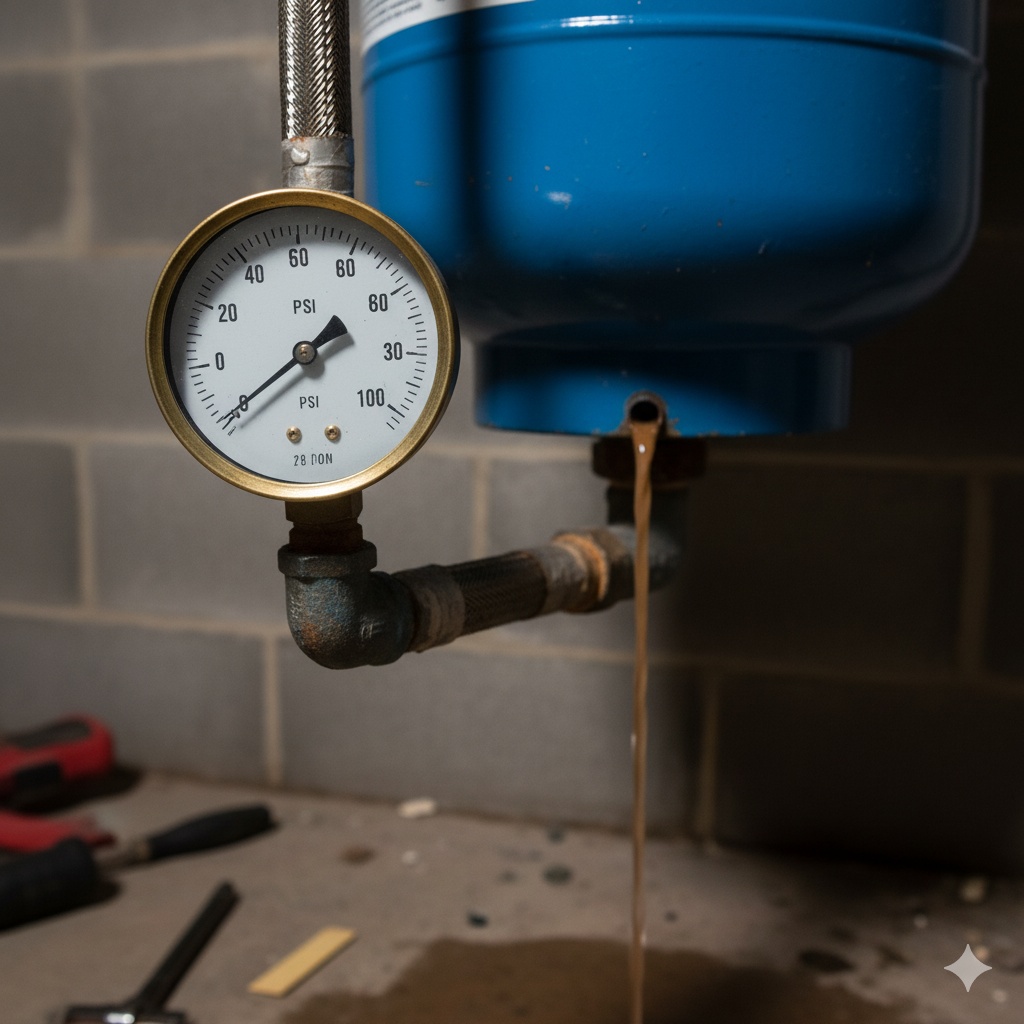
Is Your Well Pump Is Failing?
Is Your Well Pump Is Failing? Understanding how do I know if a well pump is failing protects your home from water emergencies and costly damage. This comprehensive analysis covers warning signs, diagnostic methods, and professional solutions. For immediate assessment of pump performance issues in your Eugene home, contact Shawn Turner at Alpine Pump Inc. by calling 541-424-2243 for expert diagnosis. What Are the Most Common Signs of Well Pump Failure? Recognizing early warning signals prevents complete system breakdowns. Water pressure fluctuations represent the most frequent indicator. Showers lose strength suddenly, then recover mysteriously. Faucets sputter and spray air mixed with water. These symptoms suggest pump motor struggles, impeller damage, or declining well production. Unusual noises signal mechanical distress requiring immediate attention. Grinding sounds indicate bearing wear or sediment damage. Clicking noises suggest relay switch malfunctions cycling on-off repeatedly. Humming without water flow reveals seized motors or electrical issues. According to the Environmental Protection Agency, approximately 13 million U.S. households rely on private wells, making pump reliability critical for daily living. Electricity costs rising unexpectedly often indicate pump inefficiency. Motors working harder consume more power fighting against restrictions or wear. Comparing utility bills year-over-year reveals gradual increases suggesting declining performance. Additionally, circuit breakers tripping frequently demonstrate electrical overload from struggling components. Pressure Tank Warning Indicators Pressure tanks work alongside pumps maintaining consistent household flow. Waterlogged tanks lose their air cushion, causing rapid cycling. Short pump run times every few minutes indicate tank bladder failure. Conversely, pumps running continuously without building pressure suggest tank or switch problems. External rust, corrosion, or moisture around tanks signals internal deterioration. Tanks typically last 10-15 years before requiring replacement. Homeowners in Eugene wondering how do I know if a well pump is failing should inspect pressure tanks simultaneously, since these components work interdependently. Water Quality Changes Sudden water quality shifts often accompany pump deterioration. Sediment, sand, or grit appearing in fixtures indicates screen failure or well casing damage. Pumps drawing from deeper, contaminated zones deliver discolored or foul-smelling water. Cloudy water suggests air entrainment from pumps positioned too high or wells running low. Bacterial contamination sometimes follows pump maintenance or repairs. Disturbing well environments introduces surface contaminants temporarily. However, persistent quality issues require professional water filtration system evaluation and treatment solutions protecting family health. Call Shawn at 541-424-2243 for accurate estimates How Can I Test My Well Pump Performance? Simple DIY tests reveal basic pump health without professional equipment. Running multiple fixtures simultaneously measures available flow capacity. Showers, washing machines, and outdoor faucets operating together demonstrate peak demand handling. Pressure drops exceeding 10-15 PSI suggest undersized pumps or declining performance. Timing pump cycles provides diagnostic clues about system efficiency. Listen for how long pumps run reaching cutoff pressure. Cycles exceeding two minutes may indicate weak motors, clogged screens, or insufficient well recovery. Conversely, extremely short cycles suggest waterlogged tanks or malfunctioning pressure switches. Measuring Flow Rate Accurately Calculating gallons per minute reveals actual pump output versus rated capacity. Place a five-gallon bucket under an outdoor spigot. Open the valve fully and time how long filling requires. Dividing five gallons by minutes elapsed produces GPM measurement. Comparing results against pump specifications identifies significant performance degradation. Flow rates declining 25-30% below original capacity warrant professional investigation. Sediment accumulation, worn impellers, or voltage problems reduce output gradually. Eugene residents questioning how do I know if a well pump is failing benefit from annual flow testing establishing performance baselines. Electrical System Inspection Checking electrical connections prevents misdiagnosing pump failures caused by power issues. Voltage fluctuations starve motors, creating symptoms mimicking mechanical failure. Loose wire connections generate heat and resistance reducing available power. Corroded terminals prevent adequate current flow to pump motors. Amperage testing during pump operation reveals electrical health. Motors drawing significantly higher current than nameplate ratings indicate mechanical binding or overload. Conversely, low amperage suggests voltage supply problems or failing capacitors. Professional electricians or pump technicians perform these measurements safely. Schedule comprehensive system diagnostics to identify issues before complete pump failure disrupts your household water supply. Call Shawn at 541-424-2243 for accurate estimates What Causes Premature Well Pump Failure? Sediment represents the leading cause of reduced pump lifespan. Wells lacking proper screens or development allow sand and minerals into pump chambers. Abrasive particles wear impellers, bearings, and seals rapidly. Furthermore, sediment clogs check valves preventing proper pump function. Regular well maintenance and sediment filter installation protect pump investments. Running pumps dry destroys motors within minutes through overheating. Low water tables during drought seasons expose pumps to air. Additionally, excessive pumping rates exceeding well recovery cause temporary dry conditions. Dry running melts plastic components, warps metal parts, and burns motor windings irreparably. Lightning and Power Surge Damage Electrical storms damage well pump systems through direct strikes or power grid surges. Lightning traveling through ground water reaches pump motors instantly. Surge protectors installed at control boxes prevent most electrical damage. However, nearby strikes still induce harmful currents through underground wiring. Power outages followed by voltage spikes when electricity restores stress electrical components. Capacitors, relay switches, and motor windings fail from repeated surges. Installing whole-house surge protection and dedicated pump circuit breakers minimizes electrical failure risks. Improper Installation Issues Incorrect pump sizing creates operational problems shortening equipment life. Oversized pumps cycle too frequently, wearing pressure switches and check valves. Undersized units run continuously, overheating motors and accelerating component wear. Professional installers match pump capacity to well yield and household demand preventing these issues. Pumps positioned incorrectly within wells experience performance problems. Units set too shallow draw air during heavy usage periods. Conversely, pumps placed too deep in low-yield wells run dry when water levels drop. Proper installation depth considers seasonal water table fluctuations and sustainable pumping rates. Call Shawn at 541-424-2243 for accurate estimates When Should I Call a Professional Pump Technician? Water completely stopping flow requires immediate professional attention. Total pump failure leaves households without essential water service. Emergency technicians diagnose problems rapidly, often carrying common replacement parts. Attempting DIY repairs on submersible pumps poses electrical shock risks and
Size of Submersible Well Pump for a Family of 4
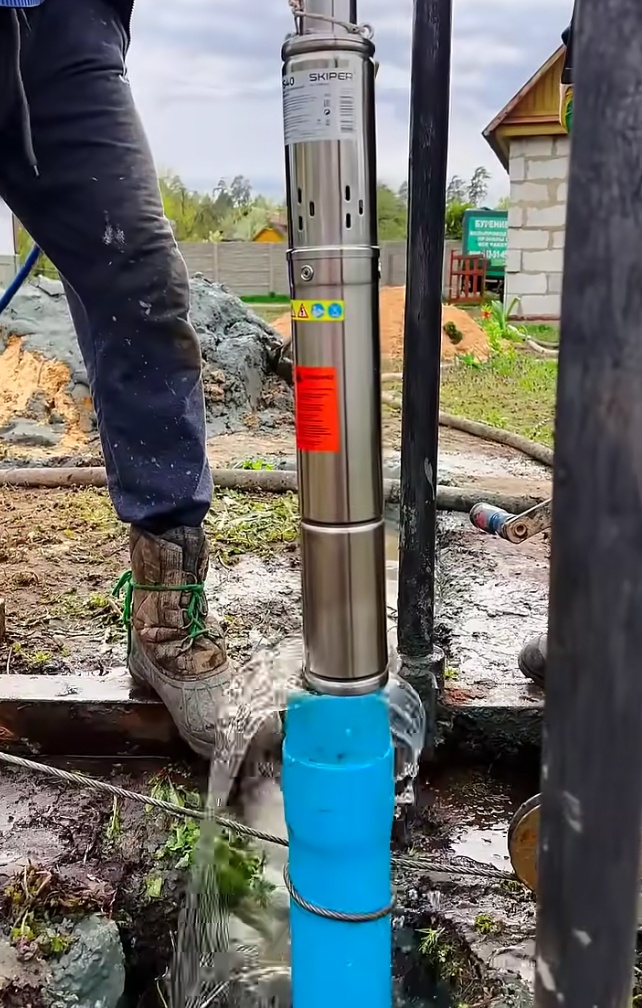
What Size of Submersible Well Pump for a Family of 4 Determining the right size of submersible well pump for a family of 4 ensures consistent water flow, prevents system strain, and optimizes energy costs. This comprehensive analysis explores: • Gallons-per-minute requirements based on household fixture count • Horsepower calculations matching well depth and demand • Recovery rate considerations for sustainable daily usage • Pressure system specifications maintaining comfortable flow For personalized sizing recommendations tailored to your Eugene property, contact Shawn Turner at Alpine Pump Inc. by calling 541-424-2243 for expert assessment and installation. How Many Gallons Per Minute Does a Four-Person Household Need? Average families consume water through multiple simultaneous activities. Understanding peak demand prevents undersized installations that create frustrating bottlenecks. A typical four-person household requires 6-12 gallons per minute (GPM) during maximum usage periods, according to water management experts. Peak demand occurs when several fixtures operate simultaneously. Morning routines often create maximum stress on well systems. Showers consume 2.5 GPM, toilets use 1.6 GPM per flush, and washing machines demand 3-4 GPM. Kitchen faucets add another 2.2 GPM to the equation. Calculating Total Fixture Demand Professional installers add fixture flow rates to determine minimum pump capacity. However, statistical probability suggests not every fixture runs simultaneously. Therefore, engineers apply diversity factors reducing theoretical maximum by 30-40 percent. Families running dishwashers while showering and doing laundry push systems hardest. Eugene homeowners selecting the proper size of submersible well pump for a family of 4 should consider lifestyle patterns. Larger households with teenagers showering consecutively need higher capacity. Conversely, staggered usage patterns allow smaller pumps to meet demand adequately. Advanced constant-pressure systems adjust output matching real-time consumption. Recovery rate—how quickly your well refills—influences sizing decisions significantly. Wells producing only 5 GPM can still serve families needing 10 GPM peak demand. Storage tanks bridge the gap between production and consumption rates. Consequently, pump selection must balance well yield against household requirements. Call Shawn at 541-424-2243 for system assessment. Matching Pump Output to Well Capacity Oversized pumps can damage wells by extracting water faster than aquifer recharge. Running pumps dry destroys motors within minutes, creating expensive emergency repairs. Professional well logs document sustainable yield, establishing safe pumping limits. Reputable contractors never recommend pumps exceeding 75-80 percent of documented well production. Seasonal variations affect groundwater availability in Oregon’s climate. Summer drought periods reduce well recovery rates compared to winter abundance. Eugene residents determining the size of submersible well pump for a family of 4 must account for worst-case seasonal conditions. Sizing for minimum expected yield prevents summer shortages. What Horsepower Rating Works Best for Standard Residential Wells? Horsepower requirements depend primarily on vertical lift distance and desired flow rate. Deeper wells demand more powerful motors to overcome gravitational resistance. Additionally, friction losses in piping consume energy as water travels upward. Half-horsepower pumps typically serve shallow wells under 100 feet with modest flow needs. Three-quarter horsepower motors handle 150-200 foot depths at 7-10 GPM capacity. One horsepower units deliver higher flows or serve deeper installations up to 300 feet. Larger motors become necessary for extreme depths or high-volume commercial applications. Understanding Total Dynamic Head Total Dynamic Head (TDH) measures combined resistance against pump operation. Vertical lift distance represents the largest component. Pipe friction adds resistance proportional to length and diameter. Pressure tank settings contribute additional head requirements. Finally, desired outlet pressure at fixtures completes the calculation. Engineers measure TDH in feet of water column. Each PSI of desired pressure equals approximately 2.31 feet of head. Standard residential systems targeting 50 PSI require roughly 115 feet of head just for pressure. Adding actual well depth plus friction losses produces total system head. Pump performance curves then determine required horsepower. Schedule a comprehensive system evaluation to receive professional calculations matching your specific well characteristics and household needs. Manufacturer specification sheets graph flow rates against TDH for each model. Performance degrades as head increases, reducing maximum achievable flow. Therefore, selecting pumps with adequate reserve capacity ensures reliable operation. Undersized units operate constantly at maximum output, accelerating wear and component failure. Eugene contractors calculating the size of submersible well pump for a family of 4 typically recommend three-quarter to one horsepower motors. Most residential wells in Lane County fall within 150-250 foot depth ranges. Combined with 8-10 GPM target flow rates, this configuration handles typical family demands comfortably. Call Shawn at 541-424-2243 for system assessment. How Does Well Depth Influence Pump Selection? Depth directly impacts motor size, wire gauge, and overall system cost. Shallow wells under 25 feet can utilize convertible jet pumps installed above ground. Depths exceeding 25 feet require submersible units positioned underwater near the well bottom. Submersible pumps come in various diameters matching well casing sizes. Four-inch casings accommodate most residential pumps, while six-inch casings allow larger capacity units. Diameter restrictions limit available horsepower options. Consequently, undersized casings may prevent installing pumps matching household requirements. Cable and Wiring Considerations Electrical supply cables must deliver sufficient amperage at depth without excessive voltage drop. Longer cable runs require heavier gauge wire maintaining proper motor voltage. Voltage drops below manufacturer specifications cause motors to overheat and fail prematurely. Professional electricians calculate wire gauge based on motor amperage and vertical distance. Submersible pump cables withstand constant water immersion without degradation. Special splice kits create watertight connections between sections. However, minimizing splices improves reliability and reduces failure points. Quality installations use continuous cable runs from wellhead to control box. Determining the appropriate size of submersible well pump for a family of 4 in Eugene requires measuring actual well depth accurately. Property owners should reference drilling logs documenting total depth and static water level. Pumps positioned 10-20 feet below static water level prevent air entrainment during drawdown. Deeper placement protects against seasonal water table fluctuations. Drawdown and Recovery Analysis Drawdown measures how far water levels drop during pumping. Wells with rapid recovery rates support higher capacity pumps. Conversely, slow recovery requires conservative sizing preventing well depletion. Pump tests measure these characteristics, establishing safe continuous operation limits. According to the U.S. Geological
Causes of Low Water Pressure from a Well Pump
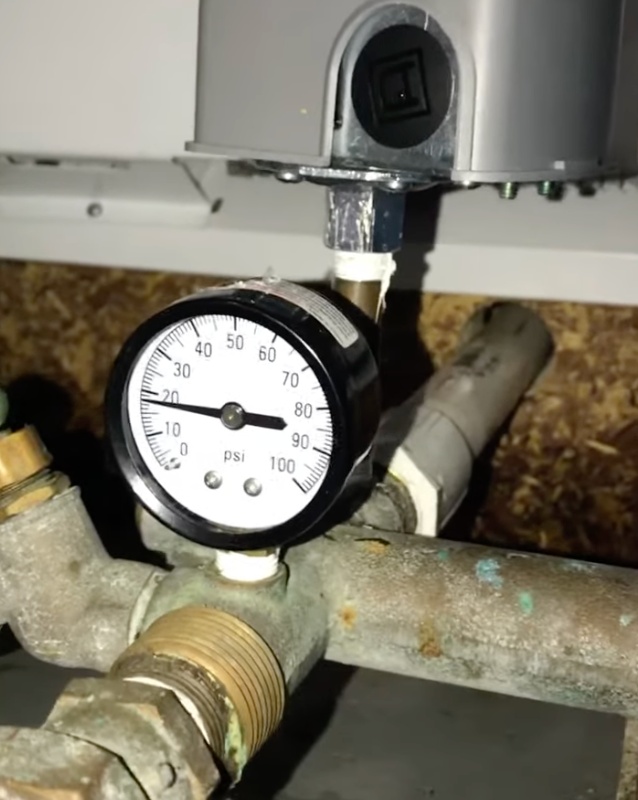
Causes of Low Water Pressure from a Well Pump Low water pressure from a well pump can disrupt daily tasks and signal underlying system issues. This article explores common causes, diagnostic steps, and solutions to restore optimal flow. If you’re experiencing weak flow in Eugene and need immediate assistance, contact Shawn Turner at Alpine Pump Inc. at 541-424-2243 for expert diagnosis and repair. What Causes Low Water Pressure from Well Pumps? Reduced flow from your well system rarely occurs without reason. Understanding the root causes helps homeowners address issues promptly and avoid costly damage. Several factors contribute to this frustrating problem, ranging from simple valve adjustments to complex mechanical failures. Pressure Switch Malfunctions The pressure switch regulates when your pump activates and deactivates. When this component fails, it may not signal the pump to start at the correct pressure threshold. Consequently, water pressure remains consistently low throughout your home. According to the U.S. Geological Survey, approximately 13 million U.S. households rely on private wells, making pressure switch issues a widespread concern. Debris accumulation on switch contacts prevents proper electrical connection. Additionally, incorrect pressure settings create gaps between cut-in and cut-out points. Homeowners in Eugene experiencing low water pressure from well pumps should inspect switches quarterly to prevent degradation. Sediment Buildup and Clogged Components Over time, minerals, sand, and organic matter accumulate within your well system. This sediment restricts water flow through pipes, screens, and the pump itself. Iron bacteria often create slimy deposits that narrow pipe diameters significantly. Furthermore, these blockages force pumps to work harder, accelerating wear on critical components. Well screens filter out debris before water enters your system. However, when these screens become coated with sediment, flow rates plummet. The Environmental Protection Agency notes that regular testing and maintenance prevent most sediment-related issues. Residents dealing with low water pressure from a well pump in Eugene should consider professional well inspection to identify blockage locations. Declining Water Table Levels Seasonal variations and prolonged drought conditions lower groundwater levels. When water tables drop below pump intake depth, air enters the system, reducing pressure dramatically. Oregon’s climate patterns create fluctuating water availability, particularly during summer months. Therefore, pumps installed at insufficient depths struggle to maintain adequate flow during dry periods. Neighboring wells drawing from the same aquifer compound this problem. As demand increases, individual well performance decreases. Monitoring static water levels helps determine whether your pump requires repositioning deeper into the well. Eugene homeowners noticing low water pressure from a well pump during specific seasons may face water table challenges requiring professional assessment. Need a comprehensive system evaluation? Visit our contact page to schedule your free consultation and discover solutions tailored to your property. How Do Pump Problems Contribute to Reduced Flow? The pump itself represents the heart of your well system. Mechanical failures within this component directly translate to diminished household pressure. Recognizing pump-specific issues ensures targeted repairs rather than guesswork. Impeller Damage and Wear Centrifugal pumps rely on impellers to generate pressure. These rotating components deteriorate from abrasive sediment, chemical corrosion, and continuous operation. Worn impellers cannot create sufficient pressure differential, resulting in weak flow at fixtures. Additionally, broken impeller vanes eliminate entire sections of pumping capacity. Plastic impellers degrade faster than bronze or stainless steel alternatives. Consequently, budget pumps require more frequent replacement. Strange noises from the well often indicate impeller contact with housing walls, signaling immediate attention needs. Those experiencing low water pressure from well pumps in Eugene should request impeller inspection during maintenance visits. Motor Performance Degradation Submersible pump motors operate underwater under extreme conditions. Voltage fluctuations, overheating, and moisture infiltration gradually reduce motor efficiency. Weak motors cannot spin impellers at designed RPMs, cutting pressure output substantially. Furthermore, capacitor failures prevent motors from reaching full operating speed. Electrical testing reveals motor health before complete failure occurs. Amperage readings above or below manufacturer specifications indicate developing problems. Thermal overload protection repeatedly tripping suggests motor strain from mechanical binding or electrical issues. Eugene residents should monitor circuit breakers for frequent trips when diagnosing low water pressure from a well pump. Check Valve Failures Check valves prevent backflow when pumps shut off. These one-way valves maintain pressure in your system between pump cycles. When check valves leak or stick open, water drains back into the well, eliminating stored pressure. Consequently, pumps must rebuild pressure from zero each activation, creating noticeable delays and reduced flow. Multiple check valves throughout the system provide redundancy. However, valve failure at the pump outlet proves most problematic. Sediment caught in valve seats prevents proper sealing. Additionally, valve springs weaken over years of repeated cycling. Professional evaluation determines valve condition without well disruption. Call Shawn at 541-424-2243 to schedule preventive maintenance. What Role Do Pipes and Storage Play in Pressure Loss? Distribution systems beyond the pump significantly impact delivered pressure. Leaks, corrosion, and sizing errors create bottlenecks that restrict flow regardless of pump performance. Pipe Leaks and Deterioration Underground pipes develop leaks from shifting soil, freezing cycles, and material degradation. Even small leaks dramatically reduce system pressure as water escapes before reaching fixtures. Galvanized steel pipes corrode internally, narrowing passageways and roughening surfaces that impede flow. Moreover, pipe joints loosen over time, creating multiple leak points. Listening for running water sounds when all fixtures close indicates active leaks. Wet spots in yards or basements pinpoint approximate locations. Pressure testing isolates specific pipe sections requiring repair. Those addressing low water pressure from well pumps in Eugene frequently discover decades-old galvanized piping needs replacement with modern materials. Proper pipe sizing prevents velocity-related pressure drops. Undersized pipes create excessive friction losses over distance. The general rule requires 1-inch diameter minimum for main supply lines serving typical households. Expanding pipes during renovations without pump system upgrades often reduces overall pressure. Pressure Tank Issues Pressure tanks store water and cushion pump cycling. These tanks contain bladders or diaphragms separating water from compressed air. When bladders rupture, water floods the air chamber, eliminating pressure cushioning capacity. Consequently, pumps short-cycle, and pressure fluctuates wildly at fixtures. Pre-charge air pressure requires
Solar Powered Water Well Pumps for Lane County Farms
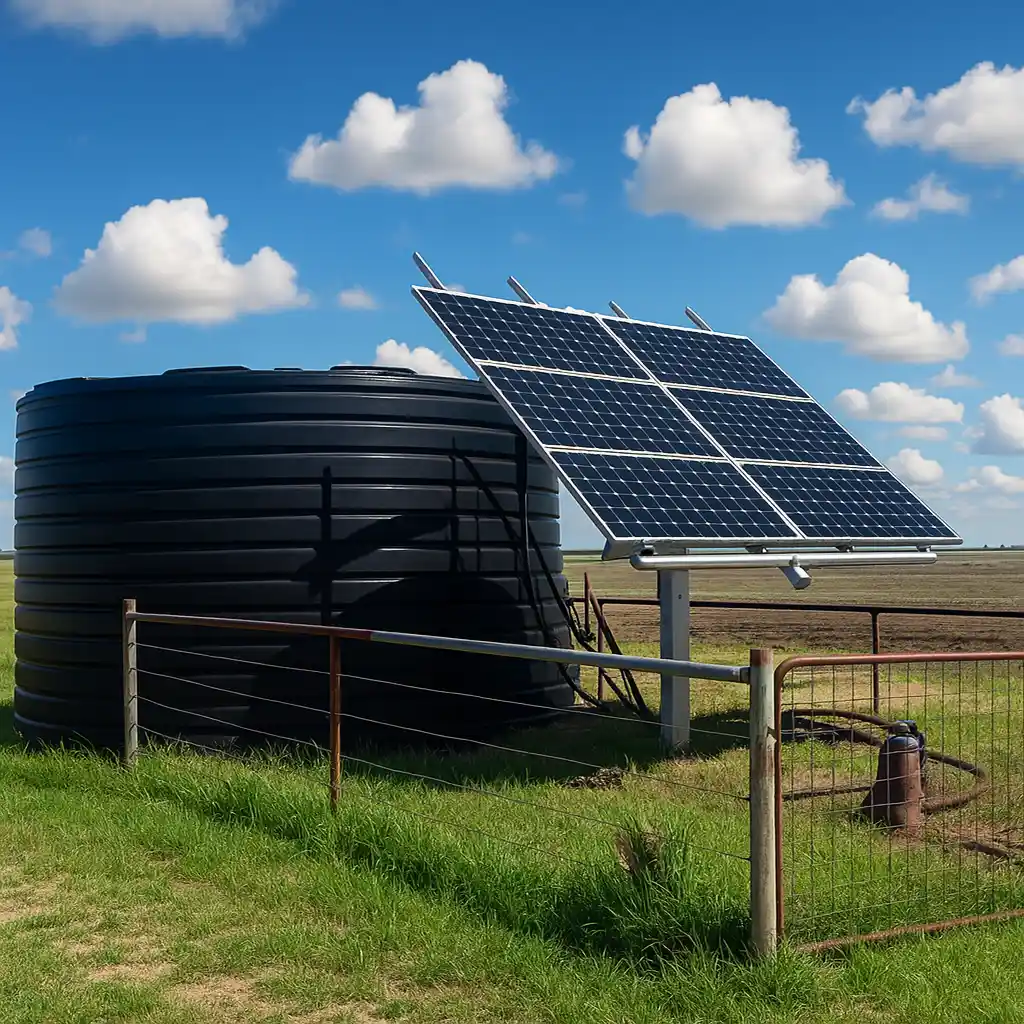
Solar powered water well pumps for Lane County farms and ranches eliminate electricity costs while providing reliable water access for livestock, irrigation, and remote operations. Discover how Alpine Pump can transform your agricultural water systems with sustainable solar technology – learn more about our solutions today. Call Alpine Pump today at (541) 305-7676 Top 6 Benefits of Solar Water Pumping Systems • Eliminates monthly electricity bills for remote well locations without grid access • Provides reliable water pumping during daylight hours when livestock demand peaks • Reduces operational costs by 70-90% compared to conventional electric pump systems • Operates silently without disturbing wildlife or neighboring properties significantly • Requires minimal maintenance with 20-25 year system lifespan expectations • Qualifies for federal tax credits and Oregon state renewable energy incentives Lane County’s agricultural operations face increasing pressure to reduce operational costs while maintaining reliable water supplies. Additionally, remote pastures and fields often lack electrical infrastructure for traditional pumping systems. Furthermore, solar technology advances have made renewable water pumping economically viable for farms and ranches. Understanding solar pump capabilities helps agricultural operators make informed decisions about water system upgrades. Moreover, professional assessment ensures optimal system sizing for specific applications and water requirements. Top 5 Applications for Agricultural Solar Pumping 1. Livestock Water Systems Cattle require 30-50 gallons daily per head, while horses need 5-10 gallons depending on size and activity levels. Remote pastures benefit from solar pumping systems that operate automatically during peak sunlight hours. Additionally, storage tanks provide water reserves during cloudy periods and nighttime hours. 2. Irrigation Water Supply Small-scale irrigation systems benefit from solar pumping for vegetable crops, orchards, and specialty agriculture. Solar systems pump water to elevated storage tanks during daylight hours for gravity-fed distribution. Furthermore, automated irrigation controllers optimize water usage while reducing labor requirements significantly. 3. Pond and Tank Filling Fish ponds, fire suppression tanks, and agricultural storage require periodic refilling from well water sources. Solar pumps operate continuously during sunny periods to maintain water levels efficiently. Additionally, float switches automate operation to prevent overflow and system damage. 4. Remote Facility Water Supply Barns, equipment sheds, and processing facilities need reliable water supplies for cleaning and operations. Solar pumping eliminates the need for electrical service extensions to remote buildings. Furthermore, pressure tank systems provide consistent water pressure for washdown and sanitation needs. 5. Emergency Backup Systems Solar pumps provide backup water supplies when primary systems fail or during power outages. Battery backup options enable limited nighttime operation for critical water needs. Additionally, portable solar pumps offer temporary solutions during equipment maintenance or emergencies. Call Alpine Pump today at (541) 305-7676 What Size Solar Pump System Do Lane County Farms Need? Proper sizing ensures adequate water production while optimizing system costs and efficiency for agricultural applications. Daily Water Demand Calculations Calculate total daily water requirements including livestock consumption, irrigation needs, and facility usage patterns. Cattle operations typically require 1,000-3,000 gallons daily depending on herd size and seasonal conditions. Additionally, irrigation demands vary significantly based on crop types, acreage, and weather patterns throughout growing seasons. The USDA Natural Resources Conservation Service provides water requirement guidelines for various livestock species and agricultural applications. Professional assessment accounts for peak demand periods and seasonal variations in water usage patterns. Well Production Assessment Evaluate well yield capacity to determine sustainable pumping rates that prevent well depletion or damage. Solar pumps operate most efficiently when matched to well production capabilities rather than oversized for maximum output. Additionally, static water levels and seasonal variations affect pumping requirements throughout the year. Well testing identifies optimal pumping depths and flow rates for system design purposes. Furthermore, professional evaluation prevents pump damage from running dry during low water periods. Solar Array Sizing Requirements Solar panel arrays must generate sufficient power to operate pumps during available sunlight hours effectively. Lane County receives approximately 4-5 peak sun hours daily on average throughout the year. Therefore, solar arrays require 20-25% oversizing to account for seasonal variations and weather conditions. Battery backup systems enable operation during cloudy periods but increase system costs significantly. Moreover, proper orientation and tilt angles maximize solar energy collection for optimal pump performance. Shawn Turner specializes in agricultural solar pump sizing for Lane County operations – call (541) 305-7676 to ensure your system meets current and future water demands. How Much Do Solar Well Pumps Cost for Agricultural Applications? Understanding system costs helps agricultural operators evaluate return on investment and financing options effectively. Equipment and Installation Costs Solar powered water well pumps for Lane County farms and ranches typically cost 8,000−8,000-8,000−25,000 depending on pump capacity, solar array size, and installation complexity. Basic livestock watering systems start around 8,000−8,000-8,000−12,000 for moderate flow applications. Additionally, irrigation systems requiring higher capacity cost 15,000−15,000-15,000−25,000 installed professionally. Solar panels represent 40-50% of total system costs, while pumps and controllers account for 30-35% of investment. Furthermore, installation labor, electrical work, and permitting add 15-20% to equipment costs. Operating Cost Savings Solar systems eliminate monthly electricity bills that often range from 150−150-150−500 for agricultural pumping applications. The U.S. Department of Energy reports that solar water pumping systems typically recover initial investment within 5-8 years through energy savings. Additionally, minimal maintenance requirements reduce ongoing operational expenses significantly. Conventional electric pumps consume 3,000-8,000 kWh annually depending on capacity and usage patterns. Moreover, demand charges for agricultural electricity can add substantial costs during peak usage periods. Incentive Programs and Tax Benefits Federal Investment Tax Credit (ITC) provides 30% tax credit for solar installations through 2032, reducing net system costs substantially. Oregon offers additional state tax credits and cash incentives for renewable energy installations. Additionally, USDA Rural Energy for America Program (REAP) grants provide up to 25% funding for agricultural solar projects. Utility rebate programs may provide additional incentives for solar installations that reduce grid demand. Furthermore, accelerated depreciation schedules enable businesses to recover investments faster through tax benefits. Return on Investment Analysis Solar pumping systems typically achieve 8-12% annual returns through energy savings and increased operational efficiency. Additionally, property values increase with renewable energy infrastructure that
Holding Tank Installation
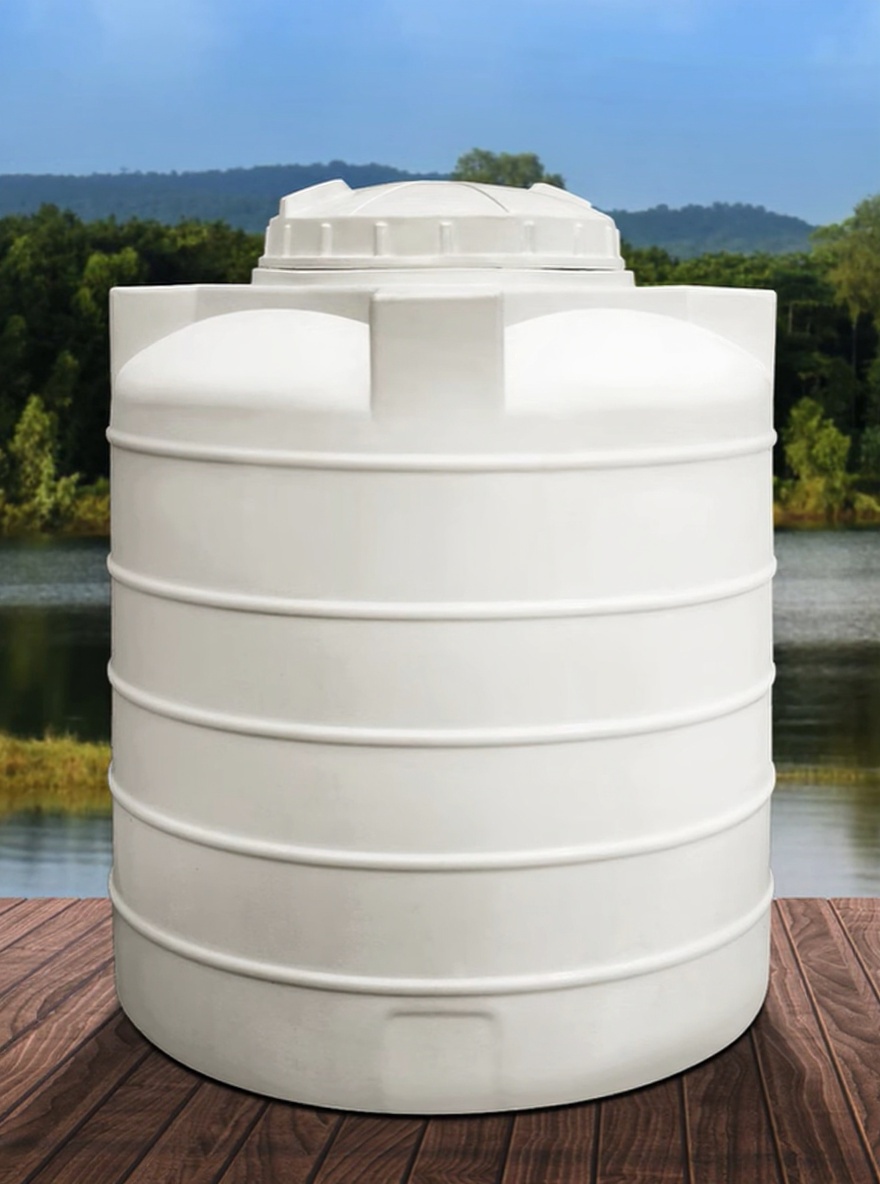
Key Benefits of Holding Tank Water Storage Systems • Transforms 2 GPM wells into adequate supply for families of five or more people • Eliminates water shortages during peak usage periods like morning routines and evening activities • Provides reliable irrigation water for gardens without depleting household supply significantly • Reduces pump cycling frequency, extending equipment lifespan and lowering maintenance costs • Ensures emergency water reserves during power outages or equipment failures • Accommodates future water needs as families grow or expand property usage Lane County’s diverse geology creates varying well yields across the region. Additionally, many properties experience seasonal water level fluctuations that affect well production. Furthermore, holding tank systems provide buffer capacity that bridges the gap between well output and household demand. Understanding water storage fundamentals helps families make informed decisions about system sizing and installation. Moreover, professional assessment ensures optimal tank placement and integration with existing plumbing systems. Discover how Alpine Pump can solve your low-yield well challenges – contact our team to learn more about professional water storage solutions. Top 5 Reasons Lane County Families Need Water Storage Tanks 1. Low Well Yield Solutions Wells producing only 2 gallons per minute cannot support typical family water usage patterns effectively. A family of five typically uses 300-400 gallons daily for drinking, cooking, bathing, and laundry. However, a 2 GPM well only produces 2,880 gallons per day under continuous operation. 2. Peak Demand Management Morning routines create simultaneous water demands that exceed well capacity instantly. Showers, coffee brewing, and breakfast preparation occur concurrently in busy households. Therefore, storage tanks provide immediate water availability during high-demand periods. 3. Garden Irrigation Flexibility Small gardens require 1-2 inches of water weekly, totaling 600-1,200 gallons per week. Additionally, irrigation timing affects plant health and water efficiency significantly. Consequently, storage systems enable flexible watering schedules without depleting household water supplies. 4. System Reliability Enhancement Equipment failures or power outages interrupt water service when relying solely on wells. Storage tanks provide backup water supplies during emergencies or maintenance periods. Furthermore, redundant systems protect families from unexpected water shortages. 5. Future Expansion Capacity Growing families or property improvements increase water demands over time significantly. Storage systems accommodate increased usage without requiring well modifications or upgrades. Additionally, tanks support additions like swimming pools, hot tubs, or expanded irrigation systems. What Size Holding Tank Do You Need for a Family of Five? Proper tank sizing ensures adequate water storage while avoiding oversized systems that increase costs unnecessarily. Daily Water Usage Calculations The EPA estimates average household water consumption at 80 gallons per person daily. However, families with gardens typically use 10-20% more water for irrigation and outdoor activities. Therefore, a family of five needs approximately 440-480 gallons daily during growing seasons. Calculate your specific usage by monitoring water meter readings over several weeks. Additionally, consider seasonal variations in consumption patterns throughout the year. Furthermore, account for guests, holidays, and special events that increase temporary water demands. Storage Capacity Requirements Holding tank installation for water storage typically requires 1-3 days of reserve capacity for optimal performance. This buffer accommodates well recovery time and prevents system cycling during extended usage periods. Therefore, families of five benefit from 1,000-1,500 gallon storage tanks. Larger tanks provide greater security but increase installation costs and space requirements significantly. Additionally, oversized tanks may experience water quality issues due to extended storage periods. Consequently, professional sizing balances capacity needs with practical constraints. Well Recovery Considerations A 2 GPM well produces 2,880 gallons daily under continuous operation conditions. However, static water levels and drawdown affect actual production rates significantly. Therefore, well testing determines sustainable yield rates for system design purposes. Recovery rate testing measures how quickly wells refill after pumping cycles. Additionally, seasonal variations affect well performance throughout the year consistently. Furthermore, professional assessment identifies optimal pumping schedules that maximize well efficiency. Shawn Turner provides expert tank sizing for Lane County families – call (541) 305-7676 to ensure your storage system meets current and future water needs effectively. How Do You Choose the Right Water Storage Tank Type? Different tank materials and configurations offer distinct advantages for residential water storage applications. Polyethylene Storage Tanks Polyethylene tanks provide cost-effective water storage with excellent corrosion resistance and durability. These tanks resist UV degradation, freezing damage, and chemical contamination effectively. Additionally, polyethylene construction enables custom sizing and configuration options for specific installations. Food-grade polyethylene ensures water quality compliance with drinking water standards consistently. Furthermore, these tanks feature easy installation and maintenance compared to alternative materials. However, proper support and foundation requirements prevent tank damage over time. Fiberglass Tank Options Fiberglass tanks offer superior strength and longevity for demanding applications significantly. These tanks resist temperature extremes, chemical exposure, and physical damage better than plastic alternatives. Additionally, fiberglass construction provides excellent insulation properties for temperature control. Professional installation ensures proper handling and connection of fiberglass systems safely. Furthermore, these tanks accommodate higher operating pressures for complex plumbing configurations. However, higher initial costs require careful budget consideration during system planning. Steel Tank Considerations Steel tanks provide maximum durability and pressure capability for specialized applications. These tanks handle high-pressure systems and extreme weather conditions effectively. Additionally, steel construction offers fire resistance and vandal protection benefits. Proper coating and maintenance prevent corrosion in steel tank installations consistently. Furthermore, professional welding ensures leak-free connections and system integrity. However, steel tanks require careful installation and ongoing maintenance for optimal performance. Underground vs. Above-Ground Installation Underground installations protect tanks from weather extremes and provide freeze protection naturally. Additionally, buried tanks preserve property aesthetics and save above-ground space significantly. However, excavation costs and access challenges increase installation complexity. Above-ground installations enable easier maintenance access and lower installation costs initially. Furthermore, these systems allow visual inspection and quick repairs when needed. Additionally, above-ground tanks can relocate if property layouts change over time. Here is an example prior to the pump house shelter being built around the installation of the holding tank. What Installation Process Should You Expect for Water Storage Systems? Professional installation ensures optimal performance while protecting
